
A different Maldives exists beyond the postcards. Hardly hidden – more like quietly buried beneath years of polished storytelling. Big money pours in every year to shape how people see these islands. Think glossy brochures showing villas floating on blue water. Romantic dinners alone on tiny beaches lit by moonlight. Costs so high they stop plans mid-thought, fingers freezing above screens. This version feels complete. Except it leaves out almost everything else
Picture that scene – it actually happened. Yet what you see fits just one piece of a nation deeper than most realize, easier to reach than expected, packed with surprises no glossy pamphlet shows.
Forget everything you thought you knew. A different Maldives exists beyond the luxury resorts. Stay in bright, clean rooms right by the sea – just twenty-four dollars each night. Try an eight-hour boat journey where snorkeling with reef sharks costs fifty bucks total. Move between islands freely, spending around forty-nine dollars daily over three full weeks. Real people call these places home. More visitors now choose this version first, drawn by its rhythm before it shifts again.
Maldives Without a Resort

Most people see the Maldives like something meant for magazines. Always those pictures pop up. Bungalows on stilts above clear blue water, personal plunge pools, getaways built around romance or big milestones. Looks stunning, sure. Yet high prices often kill curiosity before it goes too far.
Something shaped how people saw it. Not a random shift, but built over time.
Out past the postcard beaches, life moves slower. Islands where people live do not show up in most brochures. These places are real – homes, markets, fishing boats tied to docks. Tourists rarely see them because ads point elsewhere. Fancy resorts get the spotlight, but daily routines unfold far from poolside loungers. Children walk to school along sandy lanes. Locals drink sweet tea at wooden stalls near harbors. This part lacks polished photos yet feels more vivid somehow. Posters sell paradise as something sealed off, when actually it spills into alleyways and bus stops. Most guides ignore these corners even though they breathe quiet truth.
Life on nearby islands feels slower, somehow. Tiny family-run places stand where fancy hotels might be. Ferries bob between shores, or quick boats zip across waves – no expensive plane rides needed. What you find isn’t polished perfection but something closer to truth. Same soft sands underfoot. Water so clear it looks fake. Fish darting through reefs like always. All of it still present. Just less money asked to see it.
That journey stretched across three weeks, hopping island to island. We slept in small family-run places instead of big hotels. Each morning often led to long hours on the water, guided by local captains. Getting around meant ferries mostly, sometimes shared vans when boats weren’t running. Costs stayed low because we skipped tourist spots and ate where residents eat. After all the miles and sunburns, the math showed fifty bucks a day, split two ways.
Forget thinking this is only about cutting expenses. Picture it instead as peeling back layers of how things actually run, spotting the charges nobody mentions, then sidestepping them quietly. Whether sleep spots, moving around, what to do, or moments that feel truly real – each piece fits into planning your Maldives journey beyond resorts, laid out clearly right here.
Maybe you thought the Maldives cost more than you could spend. This view might shift how you see it completely.
How the “Luxury Only” Myth Was Built (And Who Built It)
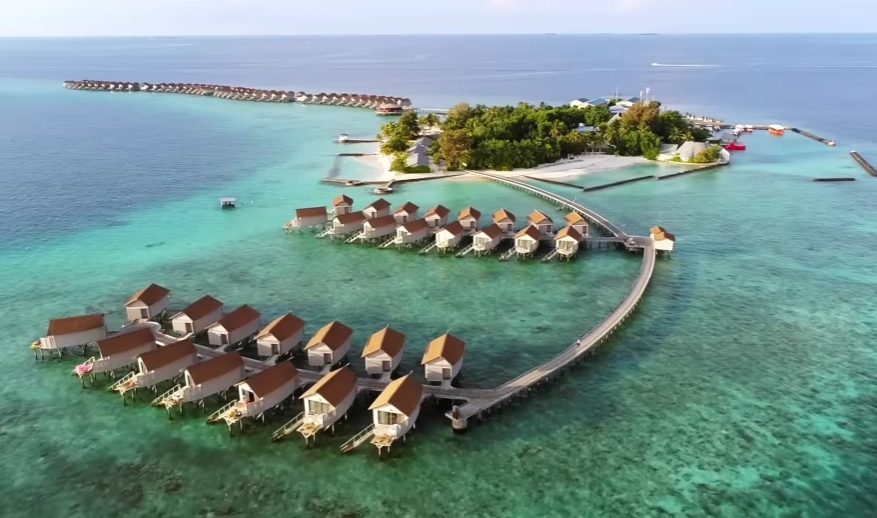
Start at the beginning if you want to grasp what’s missing. Back in 1972, an Italian working in travel teamed up with someone from the Maldives to launch the nation’s first high-end beach escape. Smooth sands, clear water, steady heat – these pulled people fast. One by one after that, island spots turned private; 171 more joined over half a century. That stretch? Roughly three new retreats each year without pause. Hard to believe how quickly empty land became booked rooms.
Most Maldivian islands today – around one in seven – are built just for rich overseas guests. Here’s what those holiday spots won’t highlight: almost all are run by big global companies. Foreign cash pours into these private zones but hardly reaches regular people across the islands. It comes in fast – and slips away faster.
What stands out grows clearer when seen through politics. Before 2008, power sat tightly held in few hands across the Maldives. Staying on inhabited islands was off limits to visitors by law. Only resort zones welcomed travelers, creating separation like a wall built with rules. This kept locals distant from tourism profits, also shielding culture from foreign influences. Money pouring in from resorts fed authority more than neighborhoods.
It was 2008 when people in the Maldives began feeling worn down by how things were run. Democracy took a new step forward that year with real elections happening across the nation. Come 2009, after years of tourists being kept separate, travelers could finally sleep on regular inhabited islands.
Right away, things changed completely. Across the small nearby islands, hundreds of guesthouses started popping up. People who once worked at big resorts carried what they learned back to their villages, then launched their own places to stay. Suddenly, those long-dominant resorts faced real rivals.
Instead of cutting costs, they pushed prices up. That choice came with a twist – pouring money into shaping how people saw the place. Free luxury stays went out to hundreds of travel writers, YouTubers, influencers, all asked to share dreamlike images of the islands. These posts kept the fantasy alive online. Commissions landed in travel agents’ pockets worldwide, nudging them to sell high-end packages. Over time, belief hardened: even now, long after local guesthouses opened, many think visiting means spending like it’s a lifetime purchase.
As one local Maldivian, Saeed, explained it plainly: “In foreign countries, most of the people advertise the tourism side of the country, so that means tourism in the Maldives is for celebrations or honeymoons, so they are very expensive. In the world, everybody thinks that Maldives is a very expensive country. But here in the Maldives, we have something for every budget.”
He pointed out that you can find rooms starting at forty dollars each night. On the opposite side, some go as high as fifty thousand. Every price in between shows up somewhere. People who move around usually catch wind of just the cheaper options.
The Transfer Trap: How Resorts Make Money Before You Even Arrive
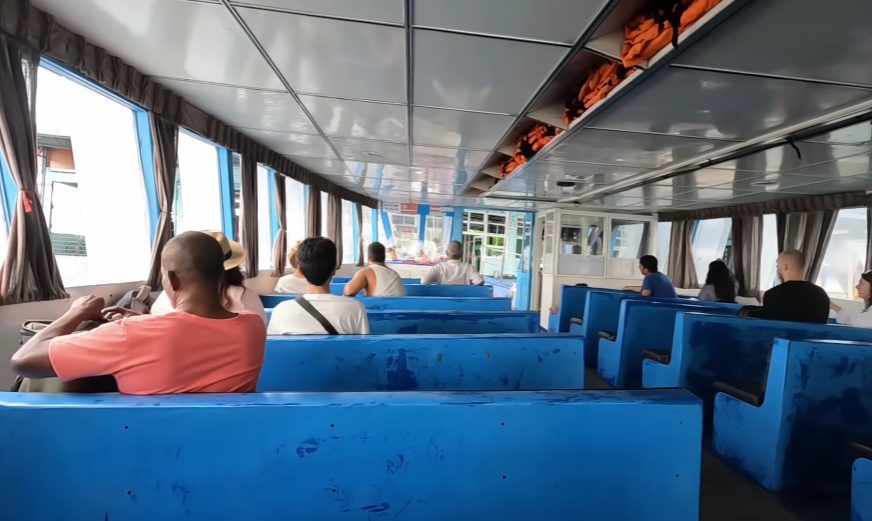
Right away, prices start working once you lock in your stay. Seconds after that booking email lands, another arrives – offering help with the ride from the airport. That timing? Not by accident. Shuttles bring in serious money, so the initial deal shown usually isn’t the cheapest option around.
Picture this first choice: hopping on a small plane that lifts off right from the water near Malé Airport, headed to your island stay. The view grabs hold fast – waves curling into coral shapes below, shades of blue changing by the second, then touching down where the lagoon glows like glass. Moments like these stick hard in memory. Yet for what lasts just twenty minutes, one seat costs close to two hundred dollars, making it steep without question.
Most people staying at resorts never hear about a quicker boat ride nearby costing just twenty five dollars each. Not every traveler knows this alternative exists so close by. Instead of twenty minutes, the trip lasts about sixty, gliding across open water. Seeing the coast from down low changes how things look – still stunning though. Two travelers choosing this skip the usual fee twice, once arriving and again leaving. Seven hundred bucks stays in their pocket before suitcases hit the floor.
Folks who can shift their plans easily might like the public ferries here – tickets from one island to another cost just 1.50 up to four dollars per person. Since these boats stick to set times instead of leaving when full, getting on board means checking departure hours ahead. If your day allows room for a schedule, and saving money matters, hopping on one feels almost too good to pass up.
Here’s something worth noticing. Staying at a guesthouse on a local island means getting clear details on every way to reach it – especially those beyond pricier picks. Because of that openness, the whole trip feels unlike typical resort stays. What sets it apart shows up in how simply things are explained.
What $24 a Night Actually Gets You on a Local Island
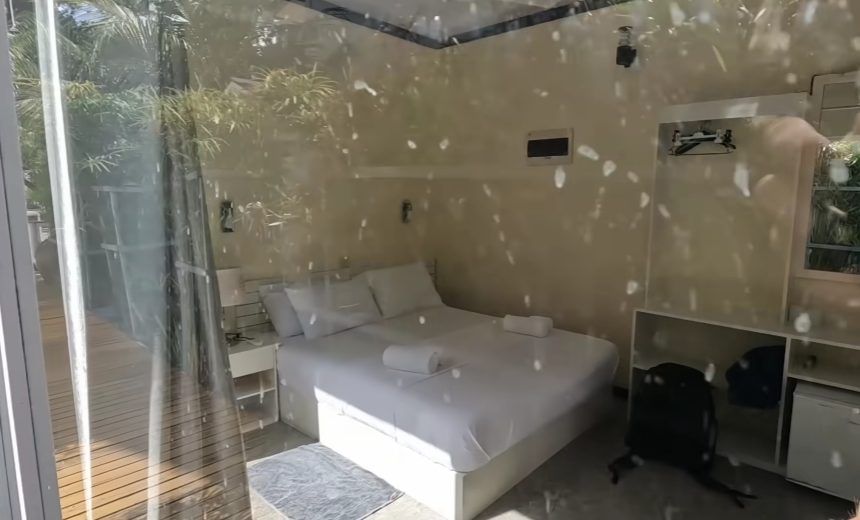
Only after living it does this part start making sense. What feels impossible to accept at first shifts when you’re inside it.
For less than twenty-five bucks each night, you can grab a two-person room on certain nearby islands. At first glance, reserving a place this inexpensive in what many call a top-tier spot for high-end travel might seem risky. Turns out, it isn’t.
Some folks who now run guesthouses on local Maldivian islands once worked long stints at luxury resorts. Their skills were shaped in places where attention never wavers from high-end comfort, environments built around travelers spending big sums nightly. Out of that experience came a deep grasp of care and detail. These practices traveled back with them. What emerged is widespread – warmth woven into daily routines, regardless of cost.
Most travelers find it normal when they step off the boat onto a small island. Someone from the place they booked waves hello before they even look around. Luggage tends to disappear into helpful hands right away. Cold towels show up. A drink appears later inside a room – neat, bright, with character. This kind of moment happens often enough to be expected.
What guests say online tells a clear story. Nearly every tiny inn and family-run island lodge holds steady above 9 on big travel sites. People show up braced for bare-bones treatment – then pause, noticing how closely staff pay attention, how warmth slips into small gestures. Big resorts rarely match that quiet care.
One repeat visitor, an Italian traveler named Chris, put it simply after several days on a local island: “Well, it is a lot cheaper than expected. From outside they make it seem like it can be crazy expensive. Instead if you come here, especially in low season, and you talk directly to the agency, you will see that you can get everything a lot cheaper.”
The $50 Shark Tour: Activities on Local Islands vs. Resort Prices
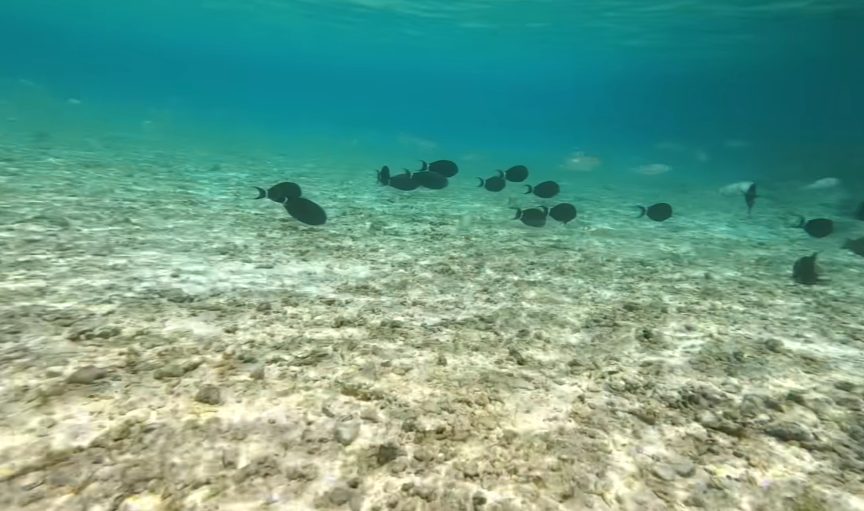
Where you stay shows the cost gap right away, yet it’s what you do that makes the difference feel unreal.
Out on distant sandbars, travelers often find themselves face to face with gliding sharks and rays beneath open skies. Run by island resorts, these day trips usually sit around two hundred to four hundred dollars each. Floating meals follow a morning swim near spots known locally as “Paradise Islands.” Few moments here stay forgotten once the boat turns back toward shore.
For around fifty dollars each, that trip runs just the same when arranged with someone who lives on the island. Water stays identical. Sharks show up like before. Sandbars sit where they always have. What changes? Only how much gets added to the price tag.
Almost every kind of outing follows this trend. From snorkeling adventures to fishing trips, spotting dolphins or learning to dive – those classic Maldivian moments come straight from small-island providers, costing far less than resort versions. People who live there make it clear: “You can do everything here that they offer at luxury spots. Just one thing’s missing – we don’t serve alcohol on inhabited islands. That’s what the rules say.”
Most people get nearly the same Maldivian trip no matter if they stay at a resort or on a local island. Out there, saltwater wraps everything just the same. Coral walls rise from the depths untouched by travel choices. Fish swim where they please, unaware of who booked what.
Alcohol rules set things apart here. On local islands, following Islamic tradition, drinking or selling booze isn’t allowed for residents. Still, certain guesthouses aimed at foreign visitors may offer drinks behind the scenes. That said, it depends on where you go and which place you stay. If having alcohol matters to you, check what’s possible at your spot well ahead of time.
What to Search When Planning a Local Island Trip
Start your Maldives search wrong, the answers lean polished. Swap generic phrases for sharper ones – better truths appear. Resort money shapes what shows up first online. Pinpoint wording pulls back the curtain. Precision cuts through noise. Clear questions bring real replies.
Worth exploring while you map things out:
- Hidden corners of the Maldives pop up when you skip the resorts. Staying in family-run guesthouses cuts costs without losing charm. Locals open doors through small tourism networks often ignored online. Simple plans unfold on islands where daily life flows slower than tourist rhythms.
- Maldives guesthouse vs resort – Comparison content that lays out the real cost differences side by side.
- Out here, choices shift. Travelers skip resorts on purpose now. Staying among locals changes everything. Islands reveal rhythms only guests rarely notice. Decisions lean toward authenticity lately. Hidden routines emerge when you live like residents do. This path suits those certain about their next move. Curiosity drives them inland, away from familiar zones. Clarity comes through quiet streets and home kitchens. Some realize comfort hides outside luxury zones.
- Spending less than fifty dollars each day in the Maldives? Targeted price searches skip dreamy posts, focusing on real trip breakdowns instead.
- Speedboats move fast but cost more than ferries. Ferries take longer yet save money on island trips. Some travelers pick one over the other based on time or budget. Sea planes skip roads but aren’t always needed. Options depend on where you land and what fits your plans best.
- Maldives local ferry guide – Public transport schedules, routes, and ticketing information.
- Dhigurah Maldives budget stay – Try searching by island. It cuts through the noise of big resorts. Fewer ads clutter the results. Specific names bring sharper outcomes.
Most first-time visitors find better options when they look up one island at a time. Instead of typing “Maldives accommodation,” try pairing an island’s name with words like guesthouse or local stay – this brings back clearer, real-world choices beyond just resorts. Results shift sharply once you narrow things down this way.
The Culture That No Resort Can Package
Traveling between islands instead of staying at resorts often costs less. Prices tend to feel clearer when you move around locally. The underwater sights are just as striking either way. All these points come down to financial logic. Yet something else makes island hopping stand out – it isn’t about cash at all. That reason might matter more than any number.
Islands strung across the Indian Ocean hold a way of life built slowly, over many centuries. Shaped not just by faith but also tides, daily existence follows currents more than clocks. Community here grows from isolation – distance at sea weaving closeness on land. Nowhere else feels quite like this place.
Out here, island life ties closely to the sharks and rays gliding below – creatures that’ve swum these routes longer than anyone can remember. Leftovers tossed by fishers over time made them linger near boats, calm and nosy instead of wary. Seeing it unfold feels quiet, unplanned – not staged for visitors. Just part of being where people breathe salt air daily.
Out here, life shows its face in ways shaped by Muslim customs softened by slow island rhythms – a blend you won’t find anywhere else just like this. Slower steps mark the days. Rules about how people interact feel unlike what you’ve seen before. Quiet places carry their own glow, noise, scent – nothing close to even the finest resort stay.
Spending three weeks on nine nearby islands shows a nation that runs deeper than pretty pictures. Not built for couples snapping sunsets, it carries centuries shaped by real events, choices made long before tourists arrived. Each village moves to rhythms money cannot copy, let alone offer at check-in. What grows here comes from soil, not spreadsheets – stubborn, unpolished, alive.
Putting the Numbers Together: A Real Budget Breakdown
Numbers make vague ideas about cost easier to believe. This is how spending unfolded during a real three-week trip across nine local islands in the Maldives:
- A modest double room, tagged at twenty four dollars each night, turned out among the most budget friendly options found. On various islands, nightly stays typically fell short of one hundred bucks, sometimes by a wide margin.
- Spending eight hours exploring empty sandbars meant wading into clear water alongside fish – that trip ran fifty dollars each. Going through a hotel instead? Two to four times that price for the very same thing.
- Ferry rides nearby cost between one dollar fifty and four dollars each time, depending on where you go. When the island was harder to reach, people paid about twenty five dollars to get there by speedboat instead.
- That trip lasted three weeks, with each person spending about $49 every day on average.
Mid-range island stays in the Maldives often cost from five hundred to one thousand five hundred dollars each night – that number doesn’t even cover transport, food, or things to do. Those extras? Usually priced separately. This isn’t a small difference in approach. We’re talking ten times the impact.
Practical Considerations Before You Go
A few honest practical notes for travelers considering the local island route:
Choosing where to stay makes a difference. Across its 26 atolls, the Maldives holds about 1,200 islands. Facilities for travelers aren’t evenly distributed. While one place might offer many guesthouses, eating spots, and activity guides, another could feel isolated and basic. Because of this, looking into each destination ahead of travel helps avoid surprises later. What you find upon arrival often depends on how much was checked beforehand.
Ferry times need thinking ahead. Though public boats cost least for island trips, they follow strict hours instead of going when needed. A missed ride on quieter routes might leave you stuck till tomorrow or longer. Leave room in your plans to shift things, particularly when heading to far-off or tiny islands.
Winter trips cost less. Away from the busy months of December to April, lodgings drop in price, plus it becomes easier to talk deals with guides on site. Talking face to face with tour providers at destination often leads to lower rates compared to web bookings – many have found this trick already.
Most islands handle alcohol differently. Should that matter to you, check directly with both the destination and lodging prior to confirming. Places aiming at global travelers might allow it. Others simply do not permit any. Arrive informed.
Respect matters when stepping into island life here. Most Maldivian locals live in Muslim households, shaped by daily rhythms of faith. Away from signed swim zones, cover more skin – that kind of clothing fits better. Bikini areas get clear signs on visitor-friendly spots, so confusion rarely happens. Dressing thoughtfully isn’t hard, especially since people often respond warmly to effort. Traveling well means noticing unspoken rules, then moving gently within them.
Why This Information Stays Hidden
Still, take a moment to wonder – why does this image stay unclear, even though everyone can find it? After all, nothing hides the view except how we look.
Big money flows into ads across the resort business year after year. Free high-end vacations – sometimes worth thousands – go to popular online personalities who then share polished posts that quietly echo dreams of lavish escape. From distant cities, travel advisors collect fees that tilt their suggestions toward pricier spots; pushing a $300-a-night retreat simply pays better than a $40 hostel. Every reward built into the system leans the same way.
Most people just never notice. Yet here it sits, hiding in plain sight. Every now and then, someone looks past the usual sources – the blogs you read, the photos tucked into your saves, the advice handed down by agents – but few do. It slips under the radar because all those voices line up so neatly. To think beyond them means pushing back without being asked. A different path could be there. Hardly anyone checks.
Word of mouth spreads slowly, yet it carries weight. Those small island stays can’t afford big ad campaigns. Instead, real stories from visitors start to matter more. Search engines now highlight genuine traveler insights. Over time, these personal accounts gain visibility. Practical details beat polished ads. As people look deeper, raw experiences rise. Algorithms adapt, favoring specificity. Honest posts quietly find their audience. Budgets stay thin, but truth travels far.
Because of this, phrases such as “maldives local island budget travel” show clearer results. These work well since they skip the clutter. Yet specificity helps more than broad terms ever could.
Frequently Asked Questions
Sure. Starting in 2009, visitors could finally sleep on regular Maldivian islands instead of just fancy resorts. Because of new rules, family-run guesthouses opened up, some charging only $24 a night. While resort stays still exist, island lodging gives cheaper options. Tours out to reefs or sandbanks often run around $50 each, sometimes less if booked locally. Though prices shift by season, many travelers find they spend about $49 daily when stretching trips over weeks. That number includes food, boats, snorkeling, plus small things like bottled water.
Most resort spots sit on secluded islands run by big foreign firms, where a single night usually costs more than five hundred dollars. Instead of those, family-run guesthouses stand right inside real Maldivian villages. Staying there means spending far less money without losing out on ocean adventures. These places let you see everyday life up close, something fancy hotels simply can’t match. One thing stands apart though – drinking alcohol isn’t allowed on local islands.
Most of the populated islands link up through a public ferry system, costing each traveler one fifty to four dollars per trip. Instead of fixed timetables, speedboats adjust more easily, priced near twenty five dollars apiece. Though they give views during flight, seaplanes run about two hundred bucks each, aimed largely at those heading to resorts.
Most tourists find Dhigurah easy to settle into, thanks to its guesthouses and dive centers. Getting there means a speedboat ride from Malé, nothing longer. First-timers often begin here when exploring local islands. Operators on site arrange reef trips, sometimes dolphin swims. Nights stay quiet, days unfold at water’s edge. Few places offer such steady comfort without feeling crowded.
Most people say it’s true. For underwater adventures like swimming with sharks, exploring reefs, spotting dolphins, or stopping at shallow sandy spots, locals charge way less than big resorts do. Instead of paying between two hundred and four hundred dollars each on a resort package, you might spend about fifty bucks with someone from the island. A full day out usually comes down to roughly half a tank of gas in cost difference.
Final Thoughts: The Maldives You Were Not Supposed to Find
Out here, the Maldives still feels untouched by anything fake. Reefs pulse beneath the surface while fish dart through shifting daylight. Light bends across waves in ways photos rarely capture fully. What you see is what exists – no tricks, no filters, just water, coral, and sun doing their own thing.
Out here, someone decided long ago that seeing it all meant spending like royalty. Built on purpose, kept alive with big money, that belief stuck around – showing up at every turn ever since island stays first opened their doors more than a dozen years back.
Twenty-one days. Half a dozen isles. Forty-nine dollars daily, each traveler. A fifty-dollar plunge among sharks. Twenty-four bucks buys a bed in a cared-for guest spot. Arrival by boat, greeted with a chilled cloth, led into airy rooms – attention here moves slow, feels real, money cannot copy it exactly.
Out beyond the glossy pictures lies another Maldives entirely. For more visitors now, stumbling upon it becomes the part they carry home.
Read More
- Maldives on a Budget: 6 Days, 5 Nights for Under $100 Per Person (2026 Guide)
- How to Travel the Maldives on Budget: Complete Local Island Travel Guide with Prices, Transport & Island Tips
- Conrad Maldives Muraka Review: The World’s Most Expensive Underwater Hotel Stay ($18,000 Per Night)
- Four Seasons Resort Maldives at Kuda Huraa Review 2026: Real Stay, Prices, Dining & Full Experience
- Best Luxury Resorts in the Maldives: Ultimate Guide to Private Island Luxury
THanks
ohhhh
lot of thanks.
hi