Below the Indian Ocean at night, a special stillness fills the space. It isn’t like vacant rooms or hushed sidewalks – this quiet breathes. A deep pulse of water nudges rounded glass walls. Faint pops echo through metal bones without warning. Outside the clear barrier, creatures drift across coral paths unchanged by time. They glide past unaware of eyes fixed on them from sixteen feet under. Stillness here moves.
This place? The Conrad Maldives Rangali Island. Deep below, there’s the Muraka Residence – first thought: how does a bedroom sit under seawater like that? Cost lands at eighteen thousand dollars each night, so clearly it isn’t only about money. What pulls you in is the shift, the quiet moment when luxury stops meaning marble and starts meaning depth. Not many spots let you sleep beneath sharks while still inside a room made of glass. Expectations tilt here. Stay changes shape.
Right off the bat, a seaplane brings you in – first touchpoint of many. Most reviews skip how much it really costs; this one does not. Few writers open up the numbers like this. Should you be thinking about staying here – or just curious about lying beneath the waves at night – you will not land on a fuller picture elsewhere.
Conrad Maldives Rangali Island Muraka Residence: Full Underwater Stay Review
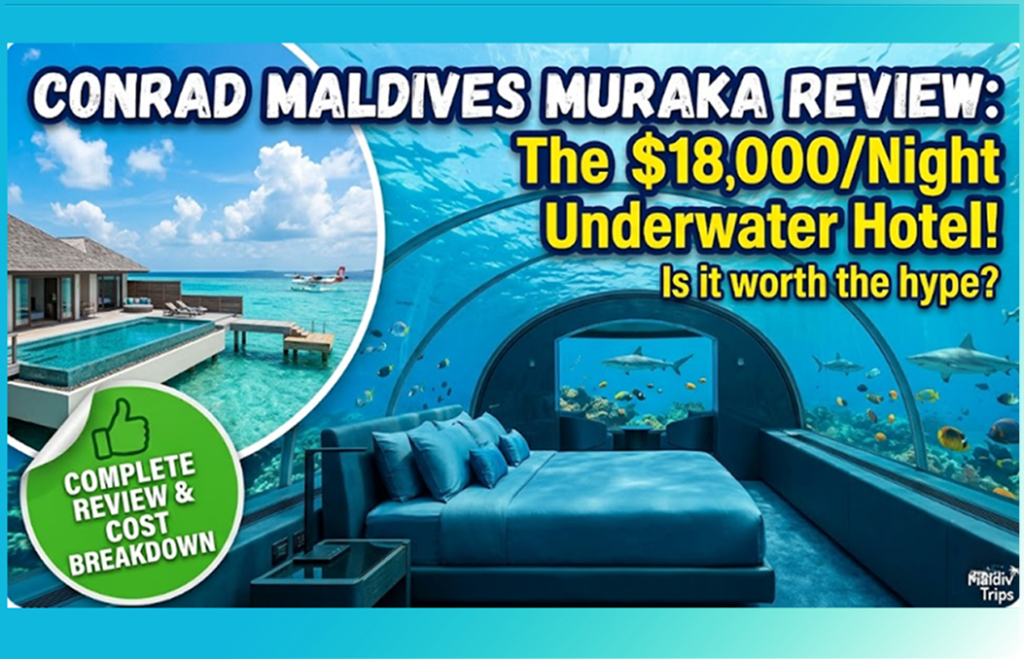
Floating on the edge of an island, The Muraka Residence isn’t just another high-end room. A glass elevator drops down into a bedroom under the sea while the upper level spreads out across sunlit decks. Costing close to eighteen thousand dollars each night, it feels less like booking accommodation and more like stepping inside a private underwater world. This structure mixes ocean views with deep blue silence below. Luxury takes new shape here – part air, part water, all stillness.
Right away, touching down by seaplane shifts something – this place does not blend in. Floating at the edge of its own dock, the home keeps itself apart, facing nothing but open water. Up top, space unfolds: rooms built wide with purpose, a lounge that breathes easy, personal drinks station, pool spilling toward horizon. Sleep spreads across several chambers, movement continues in a small workout room tucked within. Nothing here feels accidental – the way it holds quiet, wraps luxury close – it simply belongs this way.
Down below is where things shift. Far under the waves, sixteen feet deep, a room sits submerged, framed by smooth glass curves that open onto the living reef. A bed placed inside turns sleep into something rare. Creatures pass by without rules or rhythm, drifting past like moving art shaped by water. Quiet takes hold after dark, but the sea stirs differently then – small sounds, faint glows, hidden motion. Stillness feels full down here, almost dreamlike, though completely real.
Meals here stick in your mind, especially at Ithaa Undersea Restaurant – guests sit beneath the waves, tasting a carefully crafted menu while fish drift past glass walls. Because the dishes carry the same care as the design of the room itself, dinner becomes something more than eating. It turns into one of those moments people recall long after leaving.
Still, it isn’t flawless. Little things – like upkeep delays, absent extras, or being charged extra for breakfast or pickup – can seem off when you look at what you’re paying. The overall time there stays positive, yet these points stick out anyway.
What matters most isn’t price or savings. Something different happens here – nowhere else feels quite like this. Travelers chasing rare moments will find what can’t be copied.
Getting There: The Seaplane Transfer to Rangali Island

Early on, things move at a quiet pace. Step into the local airport of Malé, then head straight to the Trans Maldivian Airways counter. The moment unfolds without rush. Departures do not follow strict times – planes take off once full. Workers speak calmly, letting each traveler feel it is fine to wait.
That plane? A Twin Otter seaplane. The exact model flying today turned fifty-seven last year. Might sound ancient – maybe it is – but once seated, concern tends to fade. Before takeoff, someone walks through safety steps. Short. Clear. Then engine noise fills the cabin, shaking loose any lingering doubts as the floats break free of the water.
About fifty miles stretch toward Rangati Island during the flight. Without pressurization or cooling inside, the plane hums loud enough to drown out talk. Still, none of it feels important. Outside, the ocean spills across the horizon in endless blues – now and then a streak of dark green where an atoll cuts through – and suddenly you remember how good it feels to just look.
When looking into trips, many wonder how much the flight to Conrad Maldives costs by seaplane. That ride runs $700 for each guest – separate from what you pay for the room. Think ahead and include it early on.
First Impressions: Arriving at the Muraka Residence
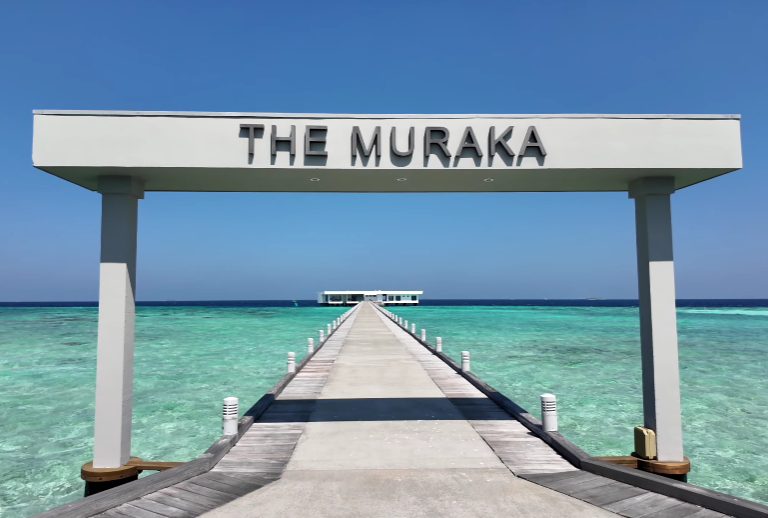
Right after stepping off, someone already stands there – just for you. Not pulled from another job nearby, not covering duties between shifts. From that instant on, help shows up whenever needed throughout your visit below the waves. Quiet wheels roll along pavement toward the edge of what sticks above sea level. That structure floats apart from land, held in place only by ocean around every side.
What meets the eye at water level hints right away – this isn’t just another novelty. Not simply a guest room with a twist, The Muraka stands apart. A full living space across two floors, built like a real house. Every part up top matches the care poured into what rests beneath the waves.
The Above-Water Level: A Private Residence in Its Own Right
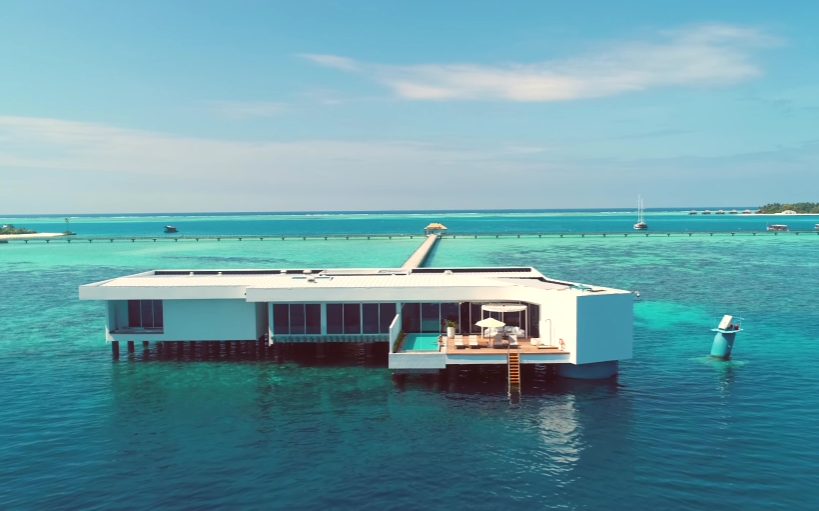
Spending actual hours here first makes sense – the part of the Muraka that sits above water already feels like a top-tier room at any regular hotel. After all, most places would call this setup their best option.
The Main Living Area
A massive open lounge takes up the main area above water, built for gathering and relaxing. One wall holds an 80-inch screen as its focal point. Instead of just sitting idle, a PlayStation 5 waits nearby for active play. Control flows through an iPad, managing light, heat, and functions across the home. What makes it different isn’t gloss or grandeur – it’s how warm, intentional, and truly used it seems compared to cold, cookie-cutter luxury.
The Bar and Welcome Amenities
Over in a corner of the living space, there’s a personal bar set up with enough glasses to serve quite a crowd. Below it, the minibar comes with the room price but holds just non-alcoholic drinks while alcohol costs extra – enough to give high-end guests pause. Still, they do offer a single bottle of champagne when you arrive and that helps balance things out.
White chocolate shaped like coral sits beside dates, neatly placed, a small treat waiting at first glance. A handwritten message from the top manager adds a personal touch, friendly even if expected. Though it lacks surprises in wording, the warmth comes through anyway. Oddly enough, the staff did not check who the traveler was before they came, skipping any background look-up. Some guests might enjoy that lack of attention, liking the quiet privacy instead.
A note about coffee: there’s tea and coffee setup available, also the kettle looks spotless. That said, the coffee maker comes empty – no beans inside – and reeks faintly of old milk. When you’re paying this much, tiny flaws like these become harder to ignore.
The Professional Kitchen
Inside The Muraka sits a kitchen built for pros, tools and appliances all ready. Missing from that setup? A cook to bring it to life. Hiring a private chef can be arranged separately, costing anywhere from three hundred to six hundred dollars each time – price shifts probably tied to how fancy the menu gets. Should you want something bold on the plate, say lobster or caviar, expect extra charges piling on top.
Facing the sea, the dining table sits just right for guests to see the waves while eating food made by a cook. Meals appear here, set out carefully, each plate tied to the rhythm of tides outside.
Outdoor Terraces and the Infinity Pool
Out here, two separate terraces offer their own kind of space. Facing south, one opens onto views of the larger Conrad complex, linking you gently to what’s beyond your immediate spot. Then there’s the ocean-side deck – built around a pool that seems to spill right into the sea line. Down a short flight of steps, swimmers touch saltwater without detours. That option waits for anyone drawn more to waves than concrete edges.
The Above-Water Bedroom Suite
Up top, the main bedroom comes before the other two inside the Muraka. Skip the lower suite entirely – this room still stands out. Marble covers the private bathroom, where the shower feels like standing under a storm sky. There’s a Japanese Toto toilet tucked in here, the kind that shows up only where details matter most, so it gets mentioned every time.
A glass wall wraps around the bathroom, so being seen is hard to avoid. Some visitors feel free because of it, while others shift uneasily under the openness. Arriving unprepared might lead to surprise.
A space just beyond the bath holds a roomy closet plus a personal grooming station with plenty of shelves. Nearby lies a sleeping area meant for visitors, tucked away so it feels separate from the primary retreat. A small fitness spot follows next, an uncommon feature few stilted bungalows – no matter how costly – ever provide.
Descending Into the Ocean: The Underwater Suite Experience
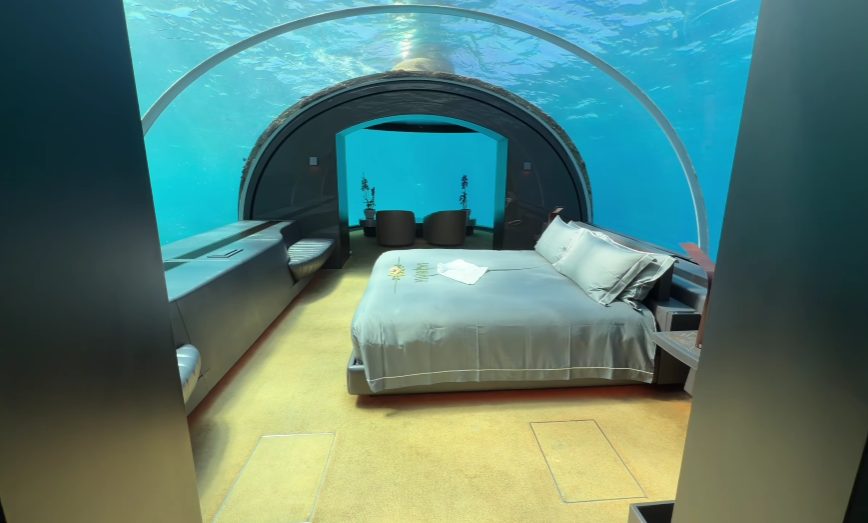
Down into the underwater room goes via something labeled an escape hatch – just a straight drop, sixteen feet below sea level in the Indian Ocean. One step takes you out of polished floors and soft lighting, then suddenly walls vanish behind sweeping curves of clear plastic. Outside each curve, coral stretches wide, alive, moving slow. Space feels tight yet open at once, like stepping under water without getting wet.
Down below, things glide past like inside one of those underwater tunnels at an aquarium. Only difference being, no plastic barriers get in the way. Instead, just clear glass holds back nothing – only real sea beyond. Creatures drift over head exactly as they would if you were submerged. Light dances through surface ripples without filters or edits. What you see happens right then, shaped by tides, not timers.
Out here, where everything feels scattered, a bed sits quiet. It just appears, unplanned, between pieces of chaos. Not much explains it, yet it stays – still, low, waiting.
The Bedroom
Down below, the sleeping area stretches across the entire width of the space. A bed covered in deep ocean-colored fabric sits centered, its shade matching the watery world outside like it was meant to be there. Nearby, everyday items – a phone, places to plug in devices, electrical sockets – nestle quietly beside the mattress, easy to reach but not obvious.
Wrapped around every edge of the room, curtains can block out all light when needed. Yet those who travel here rarely pull them shut. Night reveals what lies outside – soft glows from sea creatures drifting past the windows – and few choose to miss that view. The dark water pulses gently, alive behind transparent walls, a sight most leave uncovered.
Around seven hundred square feet make up the space below the waterline. This entire area forms one connected layout beneath the surface.
Flaws exist here, yet honesty means noting each one. Stains mark the carpet, something guests likely wouldn’t anticipate at eighteen thousand dollars per night – a fix that probably belonged to pre-arrival checks. Upstairs includes extras, so finding the minibar totally bare seems odd instead. Just an espresso machine sits there, along with two bottled waters, nothing more. Not enough to walk away, though hard to ignore too.
The Sounds of Sleeping Underwater
What no image captures is the noise inside the underwater room. A steady pop echoes, like cereal soaking in a bowl – only louder, coming from everywhere at once. Most probably, the plastic walls react to tiny shifts in water push around them. Once recognized, it does not scare, yet never stops. Deep down, without thinking, you feel it: lying under tons of sea.
Rest arrives, though barely. That does not mean it fails. Just how things unfold here.
Safety and the Escape Hatch
Should anyone start thinking about emergencies, here’s what matters: a bent rod sits close to the coffee maker. To open the exit overhead, grab that pole – it unlatches the way out. Nothing fancy powers it; just muscle and motion get you up. From within the room, that door is the sole sign of life beyond underwater walls. Spotting it once makes later glances easier, though most will wish they could forget its purpose entirely.
The Underwater Bathroom
Down below, the bathroom earns special mention – mainly due to housing something best called the planet’s lone loo beneath the sea. Two sinks face straight toward coral formations just outside. Behind clear panels, the shower lets you stand under clean water while saltwater stretches in every direction, full of swimming shapes. Few guest moments feel quite so dreamlike, tucked inside a home yet staring into open ocean life.
Down below, the underwater floor wraps up with a spacious closet for clothes, featuring a robe cut like a kimono, a secure box for valuables, along with a high-end hair dryer made by Dyson. On the flip side, what you get to wear on your feet stays surprisingly basic – easily the weakest part of an otherwise solid setup.
Dining Beneath the Sea: The Ithaa Undersea Restaurant
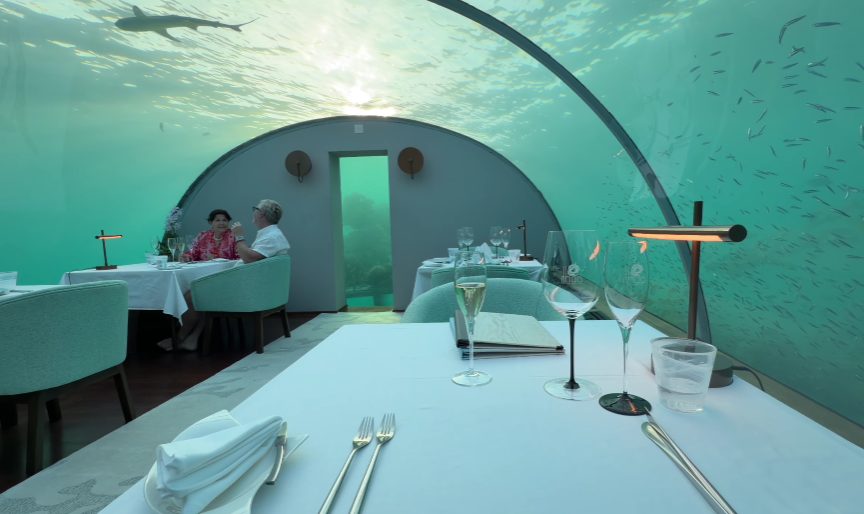
Dinner unfolds inside Ithaa, beneath the waves at the resort’s submerged dining room. In Dhivehi speech – Maldives’ own tongue – the word means “mother of pearl.” Just like its name suggests, it glimmers with quiet elegance. Before stepping down, you spot its shape dimly through shifting water above. A curving walkway lit from within guides guests below, cutting into ocean floor, encircled by coral.
Most people who visit have no idea the Ithaa wasn’t made where it now sits. Built far away in Singapore, it traveled some 2,500 miles over the Indian Ocean. Lowered into place only after the long journey. Cost more than five million dollars to complete. Knowing that changes how you see it.
Down go the shoes, one step at a time. A quiet act, yet it sets the mood without saying a word.
The Tasting Menu
A meal unfolds in courses, fixed by design. Once seated, a pour of champagne appears, while later selections from the bottle carry matching weight in cost. Warm bread lands on the tabletop just as shadows glide overhead – shapes of sharks circling under glowing water, their rhythm steady, which might settle your nerves or stir them, entirely up to how you see things.
The meal proceeds through the following courses:
- Each spoonful begins with care. Fresh crab mingles with caviar chosen by touch. Refined doesn’t mean stiff – it feels alive on the tongue. Precision holds everything together, quiet but clear. Taste unfolds without shouting
- Citrus gives it a lift – crisp air off the ocean, almost. Light hits the tongue next, clean like rinsed linen. Blue tail jackfish holds firm, cured just enough. Freshness walks through every bite, unhurried. Nothing weighs it down
- Chilled asparagus arrived beside the poached Maldivian lobster, stealing attention without effort. What made it memorable wasn’t just flavor – texture played its part too. The dish held balance, cool against warm, crisp beneath tender. Each bite unfolded slowly, never rushing. Not much needed saying once it reached the table. Silence did the praising instead
- Lemongrass meets basil in a icy blend that resets the taste. Cold spoonfuls unfold between courses, sharp yet soft. A zesty note lingers without clinging. This chill hits smooth, not sweet, just clear. Flavors step aside quietly after each bite
- Australian Wagyu beef tenderloin, cooked medium rare at the chef’s recommendation as the main course
- A spoon dips into creamy white chocolate mousse. Berries rest on top, bright and cool. The sweetness lingers without being heavy. Each bite carries a soft tang from fruit just picked. This ends the meal quietly
Food here stands on its own – no polite praise reserved for hotel spots where scenery does heavy lifting. Instead, flavors show clear skill, guided by fresh components taking center stage. Of course, the space itself holds power. When daylight fades overhead, ocean-light shifts begin altering how everything feels inside the room, changing with each new dish served.
Dining underwater inside Ithaa? That sets you back four hundred fifty bucks each – just for the chef’s sequence of bites, mind. Wine flows extra.
Morning Underwater: Breakfast and the Reef at Dawn
Below the waves, sixteen feet down, morning arrives quiet and strange. Dawn shifts how the coral breathes, not like night at all. Light slips through in tilted beams, stirring dust and tiny drifters floating mid-water. Fish dart now where they hid before. Hues sharpen – what was soft turns bold without warning.
Out there, water presses against glass while light spills through shifting waves. A shower runs where saltwater dreams meet daily habits. This place – half sea, half structure – holds a mirror above swirling fish patterns. Strange? Maybe. Yet waking here again changes nothing about how real it seems. The toilet remains odd, positioned like an afterthought near glowing reefs. Two sinks sit side by side, facing slow-motion dances of coral life. Night did not make any of it feel more ordinary.
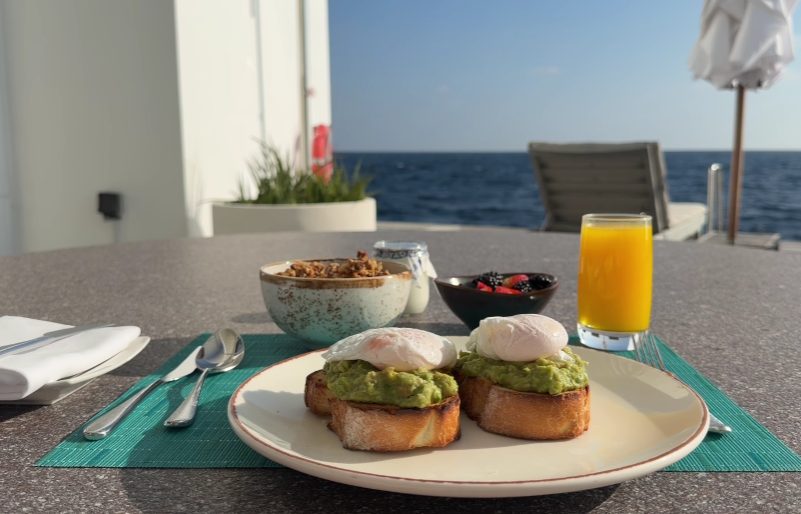
Early each day, the butler brings breakfast after waking guests. One detail stands out plainly – this meal isn’t part of what you pay for with The Muraka stay. Floating trays appear in the rooftop infinity pool, costing close to two hundred dollars per guest. Instead, something quieter waits – a bowl of granola alongside ripe berries, maybe toast layered with avocado and soft-cooked eggs. That simpler plate remains solid, satisfying, without spectacle.
Exploring the Wider Conrad Resort
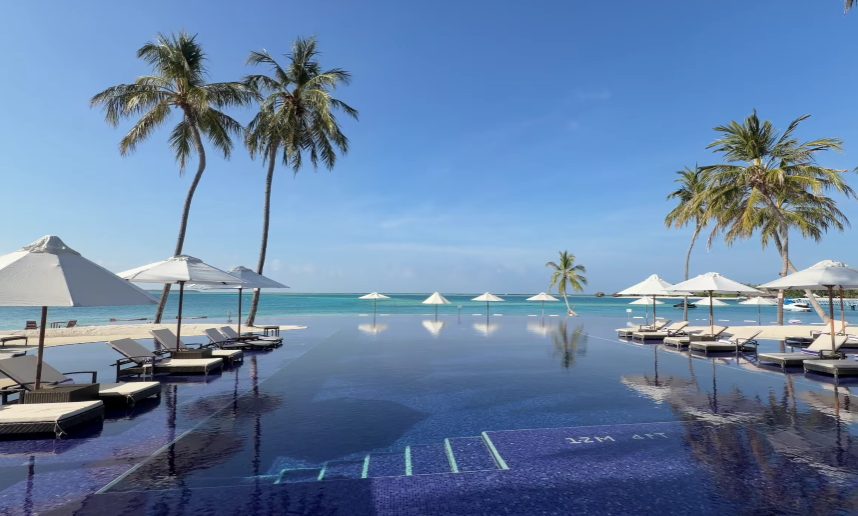
On one island, The Muraka sits within the larger Conrad Maldives Rangali setup that stretches over twin linked landmasses. To see everything around the villa, riding a bike works well.
On the central island sits the arrival hall along with the main morning dining area. Linked by a footbridge, the neighboring island holds most of the water bungalows. During this visit, one Deluxe Overwater Villa featuring its own pool served as reference. Sunlight hits the tiles just right in the washroom, giving it an edge. Standing there after leaving the Muraka changes things – no fault of the room, since under different circumstances it would impress easily though today it seems quieter somehow.
Right off the bat, the beach matches what you see in pictures. Fine white grains cover the ground beneath your feet while sunlight cuts cleanly through the shallow, warm water. What stands out most is how far you can see into the clear lagoon. Honestly, it looks like something mailed from a perfect vacation spot. That said, the sun pulls hard during the dry months, so finding shade becomes part of the routine.
The Complete Cost Breakdown: What Sleeping Underwater Actually Costs
This part often gets brushed over in write-ups – time to change that. What you’re about to see covers every bit of what one night at the Muraka Residence really costs, down to the last detail:
| Expense | Cost (USD) | Included in Room Rate? |
|---|---|---|
| Muraka Residence (one night) | $18,000 | Base rate |
| Seaplane transfer (mandatory) | $700 | No |
| Dinner at Ithaa (tasting menu, one person) | $450 | No |
| Total | ~$19,150 |
One night inside the Muraka Residence runs eighteen thousand dollars. That amount covers just the stay. Flying there by seaplane adds seven hundred more – every guest must pay it separately. Dining at Ithaa on the tasting menu costs four hundred fifty per person, outside the room price. All numbers stack close to nineteen thousand one hundred fifty overall
A private chef might add hundreds per visit, not counting food. Drinks from your personal bar come with extra charges, often higher than usual rates. Breakfast on the water? That is two hundred dollars each. Spa treatments or time spent on water adventures – booked via the main resort – also pile onto the bill.
A single night’s true cost comes in below twenty grand when you include meals plus transport, nothing extra tagged on.
What the Muraka Does Exceptionally Well
Below the surface, few things match what you find here. Nowhere else on Earth gives guests a full home beneath waves – complete with a bedroom below sea level, a washroom under water, because entry opens straight into coral life. What makes it different isn’t exaggerated – it just happens to be true.
Every move by the butler feels noticed, yet never forced. Dining at Ithaa rises beyond location – flavors carry weight, separate from the view. Above sea level, Muraka’s upper section offers comfort that speaks quietly, confidently. A dock built only for this suite places it apart, distant in feeling even if not far in steps.
Lights in the underwater room respond to an iPad – shifting between shades of blue and deep violet. Outside glows differently as colors change, softening how light moves through the glass. Come nightfall, the space becomes clearer only when you pause long enough to notice. Stillness matters more once the hues begin to shift without sound. What feels minor at first slowly shapes the way shadows settle across surfaces.
Where the Muraka Falls Short
Perfection seems fair when you pay eighteen thousand dollars each night. Still, The Muraka falls short in ways that stand out. A stained carpet sits inside the underwater room – exactly the sort of flaw that shouldn’t appear at this price point. Down there, the minibar holds nothing, which feels odd more than anything. Even the coffee machine waits silently, missing its beans, small yet noticeable.
Truthfully, the slippers tucked inside the underwater closet fall short given where they’re meant to belong. Parts of the room seem untouched by updates lately, while extra fees pile up without warning. It rains on the parade when breakfast isn’t part of what you pay at first – odd, really, for a place like this.
What stands out isn’t a dealbreaker. Still, you’ll notice them – good to keep in mind ahead of time.
Is Sleeping Underwater at the Conrad Maldives Worth It?
This question pops into everyone’s mind while scanning these words. Truthfully, the reply shifts based solely on how one judges value.
Does the Muraka deliver eighteen thousand dollars’ worth of standard hotel perks – high-thread sheets, stocked mini fridge, perfect morning meal, spotless precision? Not really. Some places charge far less yet run smoother, feel sharper, get more right each time. The value here slips through those cracks.
Something happens down there under the water that you can’t point to anywhere else, no matter how much money someone has. Without hesitation, the answer is yes. Nowhere holds a match. Mornings begin below sea level, sunlight spilling across coral as fish drift past rounded windows. Meals unfold while shadows glide above – sharks passing over a dining room made in Singapore, hauled piece by piece across oceans. These moments refuse numbers. They belong somewhere beyond comparison.
A stay at the Conrad Maldives Muraka might fall short of flawless. Yet it lands somewhere unforgettable. When the timing fits, when the guest aligns with the place – perfection slips into background noise. What remains is something more vivid than ideal.
Practical Information for Booking the Conrad Maldives Muraka
Book The Muraka Residence straight via Conrad Maldives Rangali Island. Because pricing and custom touches differ, going through the resort beats using outside sites. Before you land, a special team handles your butler choices, meal bookings, even chef setups – sorted early. Arriving feels smooth when details are already set aside.
Plan ahead for the required boat ride – it costs 700 dollars, needs booking that matches your plane landing in Malé. One island links to another through a footbridge, yet the Muraka rests apart, sitting quiet at its lone pier.
If you’re after a taste of the Maldives without the highest cost, consider the Conrad’s Deluxe Overwater Villas with private pools – they come at much easier prices. Beauty isn’t skimped here; these villas feel luxurious while giving entry to the shared beach, coral reef, and resort features. Dining below the waves? Yes, even if you’re not staying in the Muraka, booking ahead grants access to the Ithaa undersea restaurant. One splash into that submerged setting can happen without paying for the entire high-end suite.
This review is based entirely on a first-hand stay at the Conrad Maldives Rangali Island Muraka Residence. All costs and experiences described reflect the actual visit and no external sources have been used.
Read More
- Four Seasons Resort Maldives at Kuda Huraa Review 2026: Real Stay, Prices, Dining & Full Experience
- Best Luxury Resorts in the Maldives: Ultimate Guide to Private Island Luxury
- Top 10 Best Honeymoon Destinations in Maldives for a Truly Romantic Escape
- Maldives Off the Beaten Path: Discover the Hidden Beauty Beyond Luxury Resorts
- Unforgettable Things to Do in the Maldives: Experiences That Define a Dream Escape