
Picture this when someone says “Maldives“? Likely lovebirds on a boat ride through bright blue water, stilted huts near underwater life, then sticker shock come checkout day. Fair enough picture. Those island getaways really do cost a fortune just to rest, chew food, sip drinks. Not every place asks so much for basics.
Most people never hear about this part. Not every island in the Maldives shines with luxury hotels; instead, hundreds host everyday communities, home to generations of locals who live slowly, simply, fully – where visitors find deep calm without spending like royalty, stretching limited funds into real sunlit weeks far beyond what one upscale stay demands.
Just 57 kilometres from Velana International Airport, Fulidhoo Island floats quietly in Vaavu Atoll – a quiet standout among local Maldivian islands. Tiny it may be, yet its charm runs deep, shaped by unpolished beauty and life that moves at its own pace. Beneath the waves nearby lies some of the richest scuba diving across the Indian Ocean. Budget matters. So does authenticity. This place delivers both. Skip the polished resorts; start here if you want to see the country as it truly lives.
Start here if you want the full picture on planning your trip – ways to reach the destination, places to sleep, activities worth trying, best times to visit, budget basics, plus those small but vital things many guides leave out.
Fulidhoo Island, Maldives Travel Guide

Fulidhoo Island feels like the Maldives opening its doors wider. Inside Vaavu Atoll, it sits close enough to Velana International Airport for an easy trip. This tiny inhabited place delivers what most imagine under palm trees and turquoise water – just minus the jaw-dropping cost. Magic stays intact while prices stay grounded.
Away from fancy resorts, Fulidhoo shows a different Maldives – real and unhurried. Noticed first: days unfold at their own pace, guided by tides and traditions. No sleek bungalows on stilts, yet the water holds shades of blue that surprise. Sand spreads soft underfoot, untouched in long stretches along the shore. People live simply here, tied to fishing boats and neighborly chats near the docks. Under waves, reefs pulse with color, crowded by fish in constant motion. This island does not perform for cameras; it just exists, steady and low-key. The quiet charm slips in slowly, not announced, barely noticed until you’re part of it.
Peace sets in fast here because size keeps things calm. Still, travelers find what they need – places to stay, dives planned daily. Underwater steals attention most of all. Sharks move through clear dark water near reef edges at dusk. Bright coral stretches below boats on morning tours. Night falls, lights go on along the old jetty, bodies slip into warm black sea. Few spots mix quiet days with deep magic under moonlit waves so well.
Most folks find their way without trouble – some hop on a speedy boat, others catch a public ferry where time moves slow and people wave from docks. When you land, things just ease up: sunrise brings sand between toes, midday pulls you through shallow waters, sunset settles with salty air and barefoot paths under palm shadows.
Fulidhoo isn’t merely a place on a map – more like stepping into another rhythm entirely. Travelers drawn to raw landscapes, local life, and moments without scripts tend to find their pace here. Dive among sharks if deep water calls; glide alongside turtles when the reef hums. Or wander barefoot as daylight fades, salt air thick around quiet paths. This slice of the Maldives carries no pretense – only what stays with you long after.
Fulidhoo Island sits quietly near the front of any journey shaped by beauty without excess cost. This spot answers the wish to see wonder without spending like royalty.
What Is Fulidhoo Island?
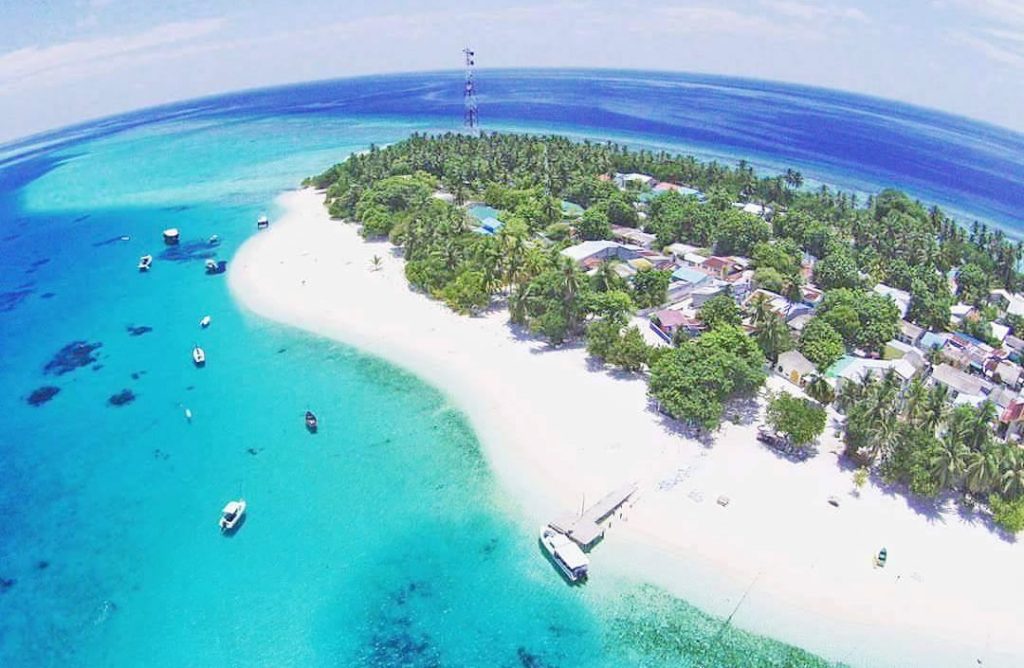
Down southeast of Malé by about fifty seven kilometres sits Fulidhoo, a tiny living island tucked into Vaavu Atoll. Though just seven hundred meters stretched out and two hundred across, its size brings closeness bigger places miss. Circling it on foot takes less than twenty minutes – simple, quiet time passing through sand and breeze. After one full turn, maybe two, the shape of things settles into your steps without effort.
Fulidhoo may be small, yet it draws solo adventurers and diving fans alike. Swimming here happens on a designated shore where bikinis are fine. A solid dive shop operates year-round. Lodging comes in several forms – some basic, others more relaxed but never flashy. What stands out is the calm welcome from locals, something bigger resorts struggle to match. Everyone follows Islam, just like across the rest of the country. This faith quietly guides daily life, so knowing what to expect helps once you land.
Fulidhoo rests where the sea teems with movement. Out beyond the island, beneath waves often calm at dawn, creatures glide through blue silence – sharks carve slow paths, rays flicker like shadows, turtles drift past coral heads. Divers who have seen many reefs still pause when speaking of this place. What they find here stays with them, long after surfacing.
How to Get to Fulidhoo Island from Male
Fulidhoo can be reached easily – choose between two ways, based on what you’ve got in terms of cash or hours.
Option 1: Speedboat Transfer (Recommended)
A ride on a speedboat from Male to Fulidhoo lasts slightly more than sixty minutes, with each seat priced at forty US dollars. These boats leave Male every day but Friday, most often setting off close to eleven in the morning. Since Friday holds religious importance in the Maldives, many public transit services either slow down or stop altogether that day.
Most likely, your stay on Fulidhoo includes a ride by speedboat arranged straight through the place where you’re staying. Going this way means less hassle – someone familiar with the trip takes care of timing it right, so you know how you’ll get there well before arriving at Velana International Airport.
Most visitors find the speedboat fits well, especially if they land from overseas with little time to spare. Heading into the islands, surrounded by the vast Indian Ocean, that ride takes about sixty minutes – a calm way to start things off. What waits ahead? The slow rise of coral rings from sea flatness, seen up close.
Option 2: Public Ferry (Budget Option)
A ride on the government-run boat from Male to Fulidhoo runs about $3.50 USD – cheap, yes, but slow. Three hours pass before you step onto land. Timing matters; it only sails three days each week. If Sunday, Tuesday, or Thursday rolls around, catch it at 10 in the morning from Male.
On its route, the ferry pulls into Mafushi Island, handy when hopping between several local islands in one go. Starting from Male, then stopping at Mafushi before reaching Fulidhoo offers a glimpse into two different island lives during a single trip.
Folks watching every dollar might find the public ferry fits just right – especially if dates can shift easily. Riding along with residents heading to work or home adds a layer of realness missing on quicker boat rides made for visitors. What stands out isn’t speed, but glimpses into routine moments most trips skip.
Where to Stay on Fulidhoo Island: Accommodation Guide
Most places to stay on Fulidhoo won’t take long to sort through – there just aren’t many. A room here typically costs about $45 USD each night if you want your own space, a bathroom attached, and cooling air inside. That kind of price feels rare across the rest of the Maldives.
Canine Retreat (Beachfront Budget Pick)
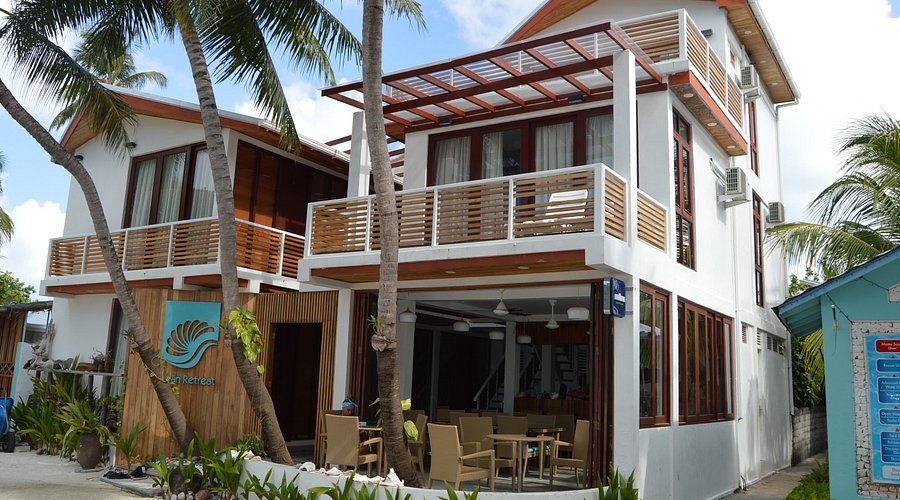
Waking to waves just beyond your window? That is what sets Canine Retreat apart. Rooms right on the sand begin at $60 USD each night, always including AC and a private bath. Choosing a higher level adds full meal coverage along with a balcony facing open water – worth thinking about when staying several days, since eating becomes one less thing to plan every morning or evening.
Cena Inn (Best Value Mid-Range)
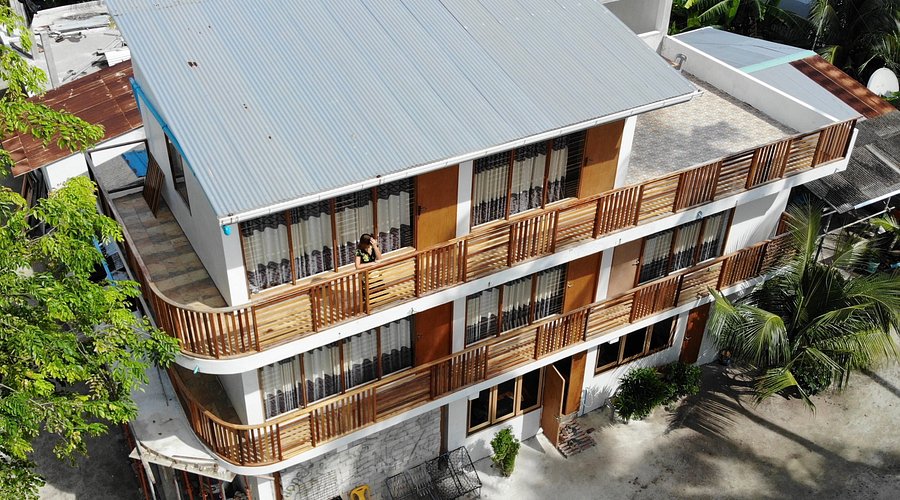
Rooms at Cena Inn are large, come with AC and private bathrooms, starting at $55 USD each night. Though not right on the shore, the island of Fulidhoo is so narrow – just 200 metres across – that any stay means quick access to the sea. New shared dorm rooms now exist too, cutting costs even more for those travelling alone who do not mind sharing space.
What to Expect from Fulidhoo Guesthouses
Most guesthouses on Fulidhoo come equipped with air conditioning, private bathrooms, while some include home-cooked food or allow you to set up a dining arrangement. Stays are cozy instead of fancy – picture tidy spaces, basic furniture that serves its purpose. Warm welcomes stand out here, especially since hosts take pride in how visitors feel during their stay.
Check the guide at the end of this page for up−to−date stays, costs, because numbers shift with the seasons. Links to book are there too.
Scuba Diving at Fulidhoo: World-Class Marine Life on a Budget
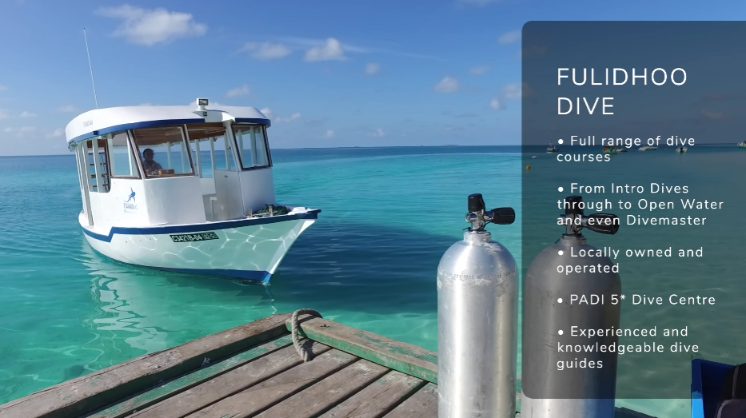
Out here, where the ocean opens wide, Fulidhoo pulls divers not with fame but what lies beneath. Its underwater edges host reefs, channels, and drop-offs shaped by slow currents and rich with movement. Life crowds every ledge – sharks patrol deep passes while reef fish blur across shallows in shifting clouds. Few places in the Maldives match this mix of wild access and living density. What you find below happens without show, just presence.
Fulidhoo Dive Center
Out at sea, the diving around this island gets handled by Fulidhoo Dive Center – one that holds full PADI five-star status. Starting off? No problem – first-time dips are part of their routine, just like training future dive leaders up to Divemaster standard. What stands out isn’t just skill, but how deeply familiar these instructors are with where things happen beneath the waves. Because they know when and exactly where to go, what shows up under the surface tends to surprise even quiet expectations.
Booking your dive trip gets easier when you pick a package that includes where you sleep, air tank dives, plus rides to and from the airport – all sorted at once. Those heading straight to Fulidhoo just for underwater swims find this setup cuts down on prep time. Instead of arranging each piece separately, everything connects through one reservation made ahead.
Dive Sites Around Fulidhoo
Out past Fulidhoo, underwater spots shift dramatically in what they ask of you. Bright, shallow corals welcome divers still fresh with certification. Meanwhile, swift currents pull seasoned ones into wrecks and deeper runs. Life below pulses with reef sharks – both white-tipped and black-tipped – lounging near ledges. Turtles, greens and hawksbills alike, paddle through with slow grace. Schools of vivid fish hang like clouds above the drop-offs. Now and then, if luck tilts your way, mantas glide close – or even a whale shark slips by in silence.
The Alimatha Night Dive: A Bucket List Experience
Out past Fulidhoo, there’s a spot that whispers travel far wider than just nearby reefs. When darkness settles over Alimatha, underwater lights begin drawing shapes in the deep – this dive earns nods even from those who’ve seen most corners of the sea. Not many nighttime plunges hold such quiet fame across oceans.
As daylight fades, divers begin their drop into dimming waters. Soon after entering, shadows shift beneath them – nurse sharks appear first, then rays, slipping in one by one until the group grows thick around legs and arms. At Alimatha Jetty, dusk pulls creatures from hiding like clockwork. Close, constant movement brushes past without warning – sometimes twenty sharks circling, sometimes more. What feels unreal repeats nightly – the sea floor wakes up when sun leaves.
Most people find the Alimatha night dive makes staying longer on Fulidhoo worthwhile instead of leaving early. When arranging your trip around diving there, leave room in your schedule just for that.
Things to Do on Fulidhoo Island
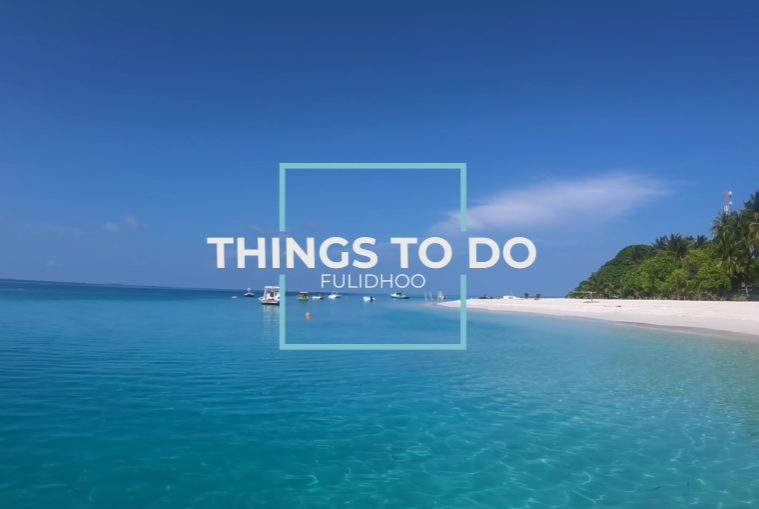
Most days on Fulidhoo move with the tides, since life here leans into the sea. To ask what there is to do means opening to salt air, slow rhythms, water stretching far. It isn’t about crowded attractions but quiet moments shaped by waves. Swimming slips easily into early mornings, when sunlight spills gold across shallow banks. Snorkeling pulls people below the surface, where fish dart through coral like sparks. Time slows near the harbor, watching boats rock under wide skies. Fishing often takes up hours, whether alongside locals or just observing their steady hands. Some walk the shoreline at low tide, spotting crabs vanish between rocks. Others sit beneath palm shade, letting breeze erase hurry. Evenings gather without plan – laughter rises while stars emerge one by one. The lack of noise becomes its own kind of music.
The Tourist Beach
Over near the edge of Fulidhoo, there sits a patch of sand meant just for guests – clothing here leans loose and relaxed. While most shorelines in village life keep to modest dress as a quiet nod to faith, this stretch bends differently. Facing inward toward sheltered water, it opens straight into a shallow blue that stays still, bright, warm. Built like that on purpose, so feet touch bottom long before waves rise.
Kayaking in the Lagoon
Out on Fulidhoo, kayaks wait by the shore, ready to borrow whenever you feel like moving slow. Where the sea thins out, the coral shows through clear and calm beneath your hull. Instead of rushing, you drift – setting time by breaths, not clocks.
Snorkelling Tours
Out near Fulidhoo, reefs teem with life bright enough to stick in your mind. Snorkellers on guided trips often find turtles drifting nearby, calm as can be. These animals barely react when people come close, used to swimmers by now. Colourful corals hold everything together, supporting creatures big and small. You do not need years of practice just to witness something real beneath the surface.
Manta Ray Snorkelling
Some months, you can swim near manta rays starting from Fulidhoo – it’s among the most wanted things people do there. Instead of hunting, these creatures take in tiny organisms floating in water pushed by sea flow, so they gather where currents carry plenty through lagoons. If timing lines up just right, several might appear above water during one outing. Seeing them isn’t something promised – mantas follow their own path shaped by tides and food, being free animals after all – yet moments when everything clicks stay unmatched across coastal encounters within this stretch of warm southern waters.
Dolphin Watching
From Fulidhoo, boats head out looking for dolphins, while the sea near Vaavu Atoll shelters large groups of spinning dolphins. When luck holds, guides cut the engine, then invite visitors into the waves beside these animals – a moment hard to match anywhere else on earth.
Whale Shark Snorkelling
Out near Fulidhoo, whale sharks sometimes show up when the time of year lines up just right. These massive creatures rule the sea in size, yet glide through water like quiet giants, sipping plankton without a hint of threat to people nearby. Moving beside one feels unlike anything else, most say afterward, long after they’ve returned to shore. Timing plays a big role – there’s no promise any will appear – but the stretch around Vaavu Atoll tends to draw them more often once conditions shift in their favor.
Day Trips to Nearby Luxury Resorts
Spending a day at a luxury resort near Fulidhoo opens up a different kind of rhythm. Though alcohol stays banned across local islands – the Maldives follows Islamic law closely – those limits shift once you step onto resort grounds. There, drink menus stretch wide, pools shimmer under sun, and sand feels fine between toes. Instead of booking a costly night, visitors often choose short visits that include lounging by water, sipping mixed beverages, soaking in high-end ease. As daylight fades, they head back to their quiet rooms on Fulidhoo, carrying just memories and salt-kissed skin.
Best Time to Visit Fulidhoo Island
One season in the Maldives brings steady rains, while the other shines with long sunny stretches. Weather shifts dramatically from one period to the next. Diving clarity changes too – some months offer sharp underwater views, others limit visibility. Crowds swell during the sunnier stretch, then thin out when skies turn gray.
High Season: December to April
December to April brings dry weather, making it the busiest period for travelers heading to Fulidhoo and across the Maldives. Sunshine dominates the days, seas stay smooth, while underwater clarity hits top levels – perfect for exploring beneath the surface. Visibility often stretches beyond thirty meters, offering sharp views of coral and sea creatures. Drift dives flow steadily thanks to predictable currents, adding rhythm to each dive. Encounters with fish, turtles, and rays grow more frequent when conditions align like this.
Price jumps when demand peaks. That’s the catch with visiting at busy times. Rooms cost more compared to quieter periods. Though Fulidhoo stays fairly calm, foot traffic picks up noticeably then.
Shoulder and Low Season: May to November
Heavy rains arrive when the monsoon hits, bringing muggy air plus choppy waters – speedboats might slow down, dives could shift without warning. If your plans bend easily, missed trips or soggy days won’t matter much. Travellers watching costs may find lower prices then, rooms open up, beaches empty out, life moves slower between June and September.
Whale sharks? They show up more often than expected during quieter months across parts of the Maldives. Look into timing details tied directly to what you want – before locking in travel dates.
Practical Information and Travel Tips for Fulidhoo
What you’ll want to know before stepping onto Fulidhoo – little things, sure, yet they shape how easily your days unfold. Picture arriving without a plan for drinking water, only to find none sold locally. Electricity runs on solar, so power dips when skies gray. Charging devices works best in daylight hours. No ATMs exist here, cash handles every transaction. Internet? Spotty at best, more dream than tool. Bring books, not expectations of constant connection. Evenings grow quiet fast, lights dim early. Respect wraps around behavior like an invisible thread – dress modestly, speak softly. Surprises wait quietly; most go unnoticed if you’re prepared.
There Is No ATM on Fulidhoo
Worth noting right up front – there’s no ATM on Fulidhoo. Show up short on money, and what you can do there shrinks fast. While places where you sleep usually take plastic, corner stores and trinket vendors won’t. Small eateries might also turn you away unless bills change hands. Cards simply don’t work everywhere.
Just grab cash early. Pull out US dollars or Maldivian Rufiyaa from ATMs right at Velana International Airport before heading to Fulidhoo. Waiting till you reach the speedboat dock in Male? Bad move. Hit the machines while stuck at the airport – more choices there anyway.
Wi-Fi and Mobile Data
Most places to stay on Fulidhoo offer Wi-Fi, yet the signal often falters when you need it most. Video chats? Big downloads? Forget them – those rarely go smoothly here. But if staying online is key – maybe for work or posting updates without delay – there’s another path worth taking. Grabbing a local SIM right at Velana Airport could change how well connected you feel. Sold by small kiosks upon landing, these cards open up faster, steadier access than what guesthouses provide. Across the local islands of the Maldives, mobile networks run strong. With 4G and even basic 3G reaching further than expected, your phone becomes far more useful. Data via SIM tends to blow sluggish resort Wi-Fi away every single time.
Dress Code and Cultural Respect
Out here, Fulidhoo lives by Muslim customs, so travelers need to cover up beyond just the guest beach. Shoulders stay under fabric at all times while moving around town, stepping into small stores, or sitting by the shore where locals gather daily. Swimwear? That stays put only where tourists are meant to be.
A piece of cloth, maybe a sarong, helps when stepping off the sand and toward homes. As soon as you near the village, slip it on – suddenly your shoulders are covered. People here open their doors without hesitation, so long as guests act with quiet respect. Just noticing how life moves differently can shape trust more than words ever could.
Bare feet rule here – shoes sit unused on Fulidhoo. Sand covers every path, so walking without sandals isn’t odd, it’s simply how things go.
Drinking Water
Most places on Fulidhoo don’t have safe tap water. Bottled is safer, yet many travelers bring their own container – guesthouse staff often top it up free of cost. That choice saves money while cutting down waste from single-use bottles. Across the islands, similar habits make sense, even beyond this small village.
Alcohol
Cold drinks without alcohol are what you get on Fulidhoo and similar local islands in the Maldives. Passing through the airport with liquor means officials at Velana International will seize it before arrival. For travelers wanting a chilled beer or mixed drink, stepping onto a close-by resort island for just one day tends to work best. That kind of short trip answers the need simply.
Food on Fulidhoo
Though Fulidhoo isn’t known for fine dining like some busier Maldivian islands, you’ll find meals here that are decent – and sometimes even memorable. While guesthouses serve up traditional Maldivian fare, they also plate out simpler Western-style foods. Rice and noodles appear often, alongside rich fish curries made with fresh tuna, a staple across the nation. Because fishing feeds most locals, these dishes taste authentic – bold, hearty, yet priced low, built for residents not resorts. A few small cafes dot the island too, offering bites between longer walks or quiet afternoons.
Cost Breakdown: How Much Does a Trip to Fulidhoo Island Cost?
A number here or there means more than saying “it’s cheap” without proof. This outline uses real prices collected straight from places where visitors stay on Fulidhoo, nothing guessed.
One way to reach the destination involves a speedboat out of Male – forty bucks per traveler. That doubles if you factor in the trip back. Alternatively, hop on the public ferry for just three fifty each leg.
Nightly rates begin at forty five dollars for basic stays. Over by the shore, places like Canine Retreat ask sixty bucks to sleep near sand. Cena Inn offers something a bit cozier – fifty five per night it costs. Shared spaces cut prices more when dorm style spots are open.
Packages at the Fulidhoo Dive Center mix lodging, dives, and pickup from the airport into one price. Scuba trips on their own run close to typical costs found across local islands in the Maldives. Seeing what moves beneath the surface after dark – Alimatha way – is priced apart from usual options. Night water there pulls different creatures, so set money aside just for that dip.
Out exploring underwater? Snorkel trips run separately, each with their own fee. Spotting dolphins? That’s a standalone option too. Manta rays draw visitors on special outings – priced apart from everything else. Whale sharks bring separate charges just like the rest. Paddling around the island? Rent a kayak by the day; costs stay small.
A stay in a standard overwater villa in the Maldives might set you back between five hundred and fifteen hundred dollars for just one night. Spending seven days on Fulidhoo – with transport, a cozy guestroom, multiple dives, plus a visit to a high-end resort – could still come in under that nightly price tag. That single evening’s fee at the pricier spots? You could cover nearly a full week elsewhere.
Is Fulidhoo Right for You?
Fulidhoo won’t suit everyone who travels. Should luxury mean a personal pool, someone tending to your needs, and sparkling wine at sunrise above the lagoon – then life on a regular island might seem far removed.
Fulidhoo fits when tropical charm matters – vibrant coral seas, daily rhythms of local island life, underwater scenes ranked among Earth’s finest. Money worries fade here. This place holds deep color, quiet authenticity, rare access. Few spots offer so much, ask so little.
Most come here chasing coral reefs first, beaches second. Those who prefer figuring things out alone tend to stay longer. Full-board holidays feel more like cages than escapes to some. Life outside tourist zones pulls in those wanting unfiltered views of local ways.
What pulls travelers in is how close Fulidhoo sits to the international airport – reaching it feels almost effortless. A solid network of local services already runs smoothly across the island, built up over years. Underwater, the dive sites deliver what few places can match: clear, vibrant, full of motion. Staying there won’t drain savings, since rooms cost under what you’d pay nightly in many European towns for something average. All these things together give Fulidhoo quiet strength among low-budget choices in South Asia.
Frequently Asked Questions About Fulidhoo Island
Fulidhoo has no ATM on site. Get your money out at Velana International Airport before heading over – better safe than caught short. Guesthouses often take cards for rooms, yet small buys around town need paper bills. Shops run on cash, so bring enough just in case.
Alcohol? Not found on Fulidhoo. None of the local islands have it either. Passing through airport customs with liquor won’t work. Bringing bottles into these communities gets stopped. Craving a drink? Try nearby resort islands instead. That is where guests can actually order one.
A ride on the public ferry lasts about three hours, with a price of 3.50 U.S. dollars. Leaving at ten in the morning, it runs on Tuesday, Thursday, Sunday – touching down briefly at Mafushi Island midroute. Moving faster but costing more, the speedboat covers the trip in slightly over sixty minutes, charging forty bucks for each traveler.
December through April brings top diving weather – clear water, gentle flows. Still, you can dive around Fulidhoo anytime nature allows. Certain animals show up only at certain times, no matter the season.
Snorkel tours welcome everyone, not just those who dive. Manta rays plus whale sharks draw folks into the water, yet staying dry works too. Dolphin sightings happen while floating gently on calm seas. Kayaks glide along shorelines where sand meets shallow waves. Beach hours stretch long under wide skies. Day visits to high-end islands offer a change of scene. Pleasantness sticks around whether submerged or not.
Most beaches near guesthouses aren’t for swimming in full swimwear. Locals live here under Islamic customs, so covering arms and legs matters when off resort sand. Swim clothes stay on only at the marked zone meant for visitors. Elsewhere, bare skin draws stares. Respect shows in how you dress beyond the water’s edge.
Final Word
Out beyond the postcard views lies something slower. Not the glossy spreads people scroll past each morning, but sand paths between homes where fishing nets hang to dry. Where guesthouses sit close like neighbors instead of standing apart behind gates. Beauty shows up differently here – uneven edges included. Fewer spotlights, more sky at dusk. This side does not shout. It stays near, reachable without a private boat or booking months ahead. Realness isn’t rare when you stop looking only where money builds walls.
Fulidhoo Island sits 57 kilometres from the international airport. Rooms start at forty-five dollars each night. Right nearby lies one of the Maldives’ most famous night dives. The island’s people have shaped a friendly visitor scene while keeping their way of life intact. This might be just where you grasp what the nation truly feels like.
Start with pulling money at the airport if travel plans are set. Your guesthouse handles the speedboat ride – just ask them. Slot in that Alimatha night dive on day two, mark it down. Everything else fills in around those pieces.
Read More
- Maldives Without a Resort: How to Travel for $49/Day, The Secret Most Tourists Miss
- Maldives on a Budget: 6 Days, 5 Nights for Under $100 Per Person (2026 Guide)
- How to Travel the Maldives on Budget: Complete Local Island Travel Guide with Prices, Transport & Island Tips
- Conrad Maldives Muraka Review: The World’s Most Expensive Underwater Hotel Stay ($18,000 Per Night)
- Four Seasons Resort Maldives at Kuda Huraa Review 2026: Real Stay, Prices, Dining & Full Experience


thank you
hi