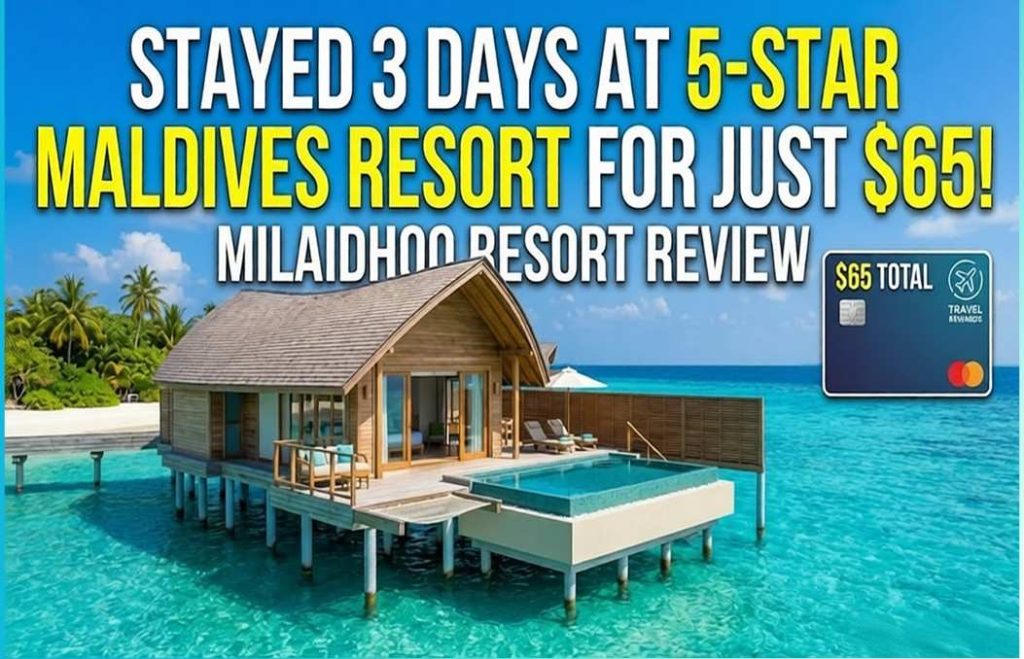
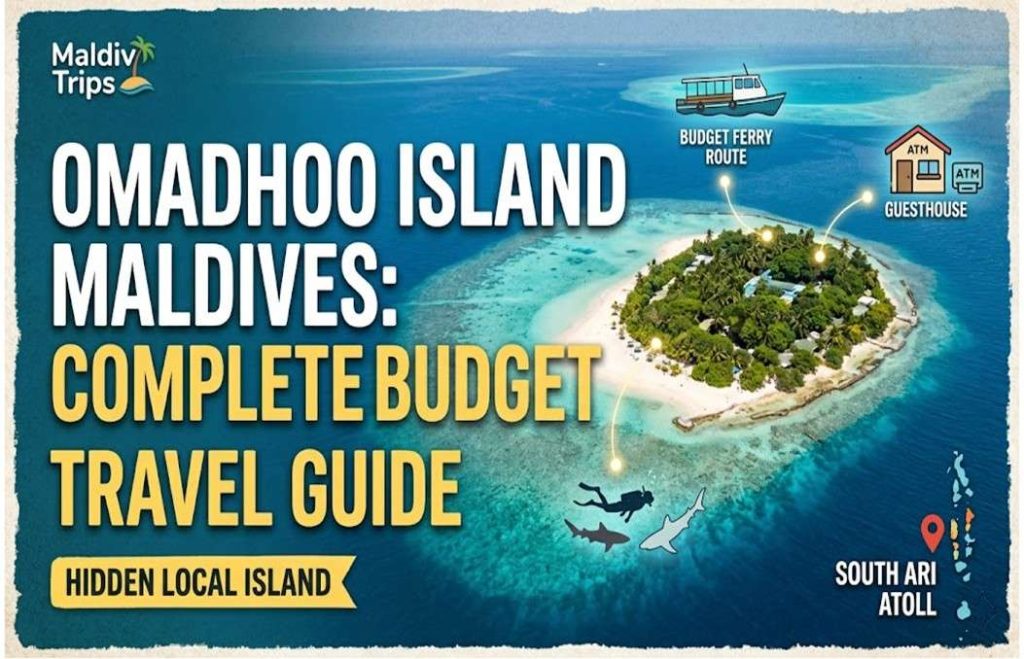
Mention Maldives and eyes drift away, picturing huts on stilts above clear water, skies melting into endless blue sea. But then reality hits when costs come up, faces fall like sand through fingers. This chain of islands near Sri Lanka? Known less for culture, more for being far out of reach – meant for those who never check prices before saying yes.
Truth is, many travel agents won’t mention this. Visiting the Maldives can actually fit a tight budget. Not one where meals get skipped or comforts vanish. Instead, imagine staying in an overwater cabin, spotting reef sharks while floating above coral, opening your eyes to ocean views each morning – yet returning with debts untouched.
Starts with what actually happened on the ground. Each cost listed came straight from receipts saved during travel. Instead of guessing, rely on choices proven by practice. Found near the back is a day-by-day plan lasting exactly six days – follow it step for step if needed. Details come only from moments that took place. Truth first. Not every journey needs deep pockets. Skip the made-up stories, skip the links that profit from clicks. This path cuts through guesswork. A real way forward. Savings stack quietly here. Experience more by spending less. The islands open wide – without emptying your wallet.
A six-day journey with five nights included runs $96 per traveler. Flights are covered, plus places to stay each night. Meals throughout the trip come in at that rate too. Getting around during the visit is part of the price. Things to do on location also count within the total.
Maldives on a Budget
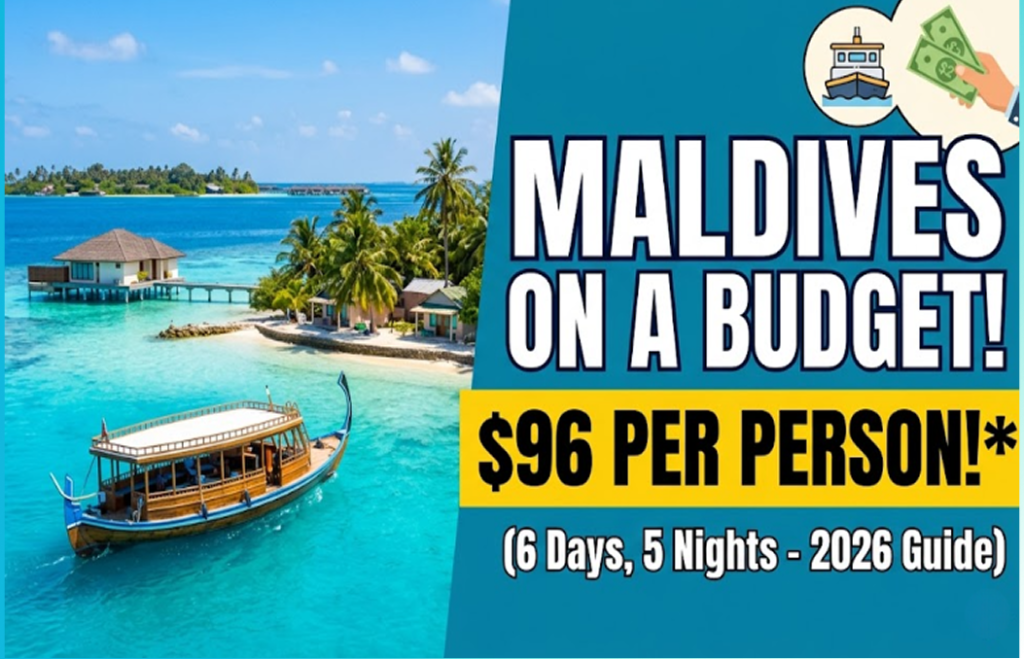
A paradise often painted for the wealthy isn’t quite what it seems. Hidden beneath the glossy brochures lies a different story – one where clear waters and stilted bungalows aren’t locked behind huge prices. Smart planning opens doors once thought shut. Adventure by the waves doesn’t demand endless cash, just clever choices. What was imagined as out of reach quietly becomes possible.
One week in the Maldives does not mean emptying your wallet. A real trip lasting six days and five nights shows how smart choices save money without losing value. Staying only in high-end resorts gets replaced by a mix – most nights on Maafushi Island in low-cost guesthouses. Then comes a single night, picked with care, inside a floating luxury villa. That shift opens two doors at once: lower prices meet unforgettable moments. The island offers calm mornings, clear water, evenings under open sky. The upscale stay delivers what postcards promise. Together they balance cost and memory. Not everything needs to be grand to feel special. Sometimes less spent means more felt. What matters is where you place each piece. This path proves it can work. Real people did it. So can others. No magic involved. Just planning with purpose.
Later on, you’ll figure out flight deals by routing through big airports. Timing your trip helps match decent weather with lower costs. Skip pricy travel errors – say no to extra seaplane rides. This approach reveals where to dine without overspending. Adventures can be booked way below typical resort rates. Swimming alongside sharks becomes possible without emptying your wallet. Clear water invites snorkeling, often free or cheap. Some planet’s best beaches stay fully within reach. Each choice adds up quietly.
A real journey shaped these numbers – sleep, meals, getting around, things to do – all pulled straight from experience. Turns out, the idea of visiting the Maldives doesn’t need to gather dust on a dream shelf. Because when planning lines up with clever steps, what once felt far off now stands within reach, waiting quieter than most assume.
Thinking the Maldives is too far off? This guide lays out every step – clear, real steps – to get there while keeping everything intact. How it works unfolds simply: plan smart, spend less, live more.
Why the Maldives Is More Affordable Than You Have Been Led to Believe
Picture the Maldives, and most people imagine private villas on stilts above turquoise water. That image exists because big resorts spent years shaping it. True, those places offer stunning comfort – no denying that. Yet the country isn’t just five-star escapes floating in isolation. Spread across 1,200 islands, life hums differently on local shores. Locals run small stays, cook meals in family kitchens, guide snorkel trips without corporate backing. Costs stay low. Budget travelers find space there, more than anyone might expect.
Start smart by picking just one island to stay on. Getting there? Skip the seaplane – find slower but cheaper ways instead. Plan each day so it fits real Maldives moments, even a night above the waves in a water villa. All of this without emptying your wallet. Every part matters. This guide walks through each step plainly.
How to Book Cheap Flights to the Maldives
Getting there begins with a flight challenge. Bangkok and Bali enjoy plenty of low-cost carriers, yet the Maldives lacks such easy air access to Velana International near Male. Skip hunting for nonstop options – shift how you plan the route altogether.
Use Singapore or Kuala Lumpur as Your Gateway City
Starting in either Singapore or Kuala Lumpur means tapping into busy air networks that feed often and cheaply into Male. Flights run constantly via low-cost names such as Scoot Air or AirAsia – routes passing through one of these spots tend to cost less. Jumping on a connecting trip here beats searching for nonstop flights out of many homelands.
A little extra time opens up more ground. Instead of rushing through airports, a stop in Singapore lets daylight stretch into sightseeing. Flying via Kuala Lumpur? That pause becomes a short stay without extra fare. The ticket already covers the route, so why not step outside arrivals. Hours between flights turn into street markets, skyline views, quick bites under neon. Even half a day paints a new picture. Pay once, land twice – that math works quietly behind the scenes.
Tools That Actually Help You Find the Cheapest Dates
One way to find good flight deals is using Skyscanner along with Google Flights. These sites show costs for every day in a month, so picking low-price dates becomes clear fast. Look through results based on how long flights take, see carriers next to each other, choose when you get alerts if fares change, plus figure out where short stops meet affordable tickets. A much cheaper option might come with a longer wait between planes, yet that gap could turn into something useful instead of just sitting around.
That journey used Scoot Air flights from Manila, looping back after a stop in Singapore. A seat sale helped lock in $318 per traveler. Timing mattered – booking early opened those options. Shifting departure days slightly shaved cost too.
When to Go: The Shoulder Season Sweet Spot
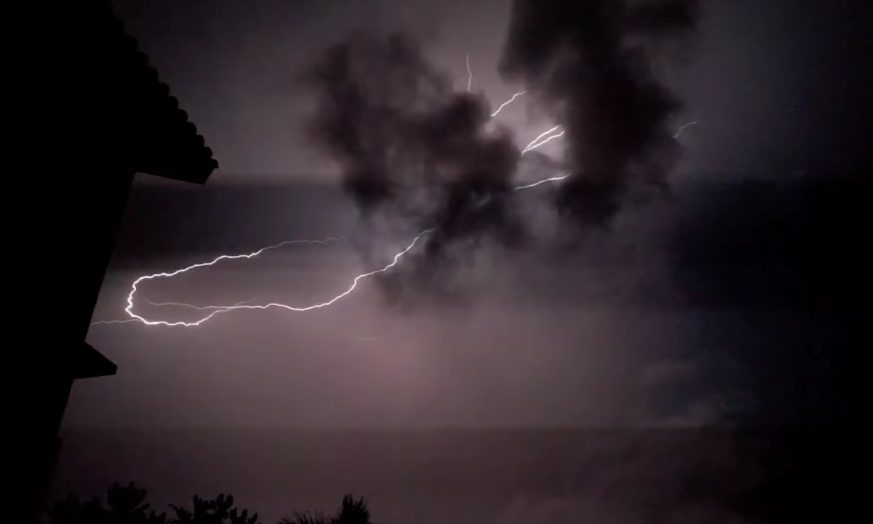
Travel guides often suggest going when it’s cheaper. Most places, that works fine. Not here though. When fewer people come to the Maldives, it rains nonstop. Stormy waves roll in, turning water fun into soggy trouble. Snorkels fill up fast. Sand gets washed away early each day. Sitting under a roof while paying resort prices feels worse than just spending more upfront. Saving cash means nothing if you can’t step outside without getting soaked.
Between November and April, sunshine paints the sky without pause. Water turns glassy smooth, showing coral gardens below in sharp detail. This stretch builds the image you often see on travel pages. Travel costs rise sharply during these months, pushed up by crowds arriving steadily. High demand lifts flight and room rates to their yearly peak.
A good time for those watching costs shows up in the months just outside high demand, either shortly before winter rush begins or soon after it fades. Weather tends to behave – mostly clear skies, some scattered showers now and then – with rates still reasonable and fewer people around. Just ahead of November’s busy stretch, October brings steady sun without the steep price tags. This particular journey happened during that month. Rain popped up once or twice for brief stretches, though most afternoons stayed bright, perfect for spending hours on the water.
Where to Stay: Maafushi Island Is the Budget Traveler’s Home Base
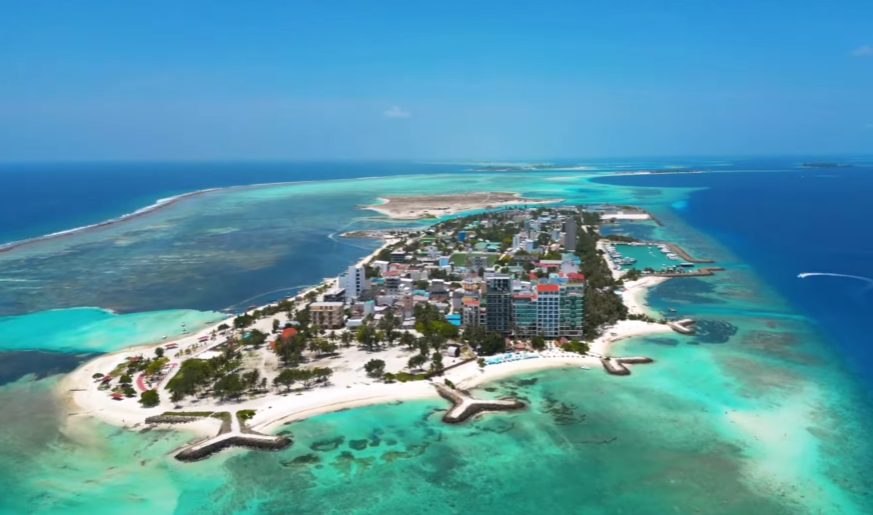
Here’s the thing about picking your spot in the Maldives – it shapes pretty much everything else. If saving money matters, there’s really just one clear choice: Maafushi Island.
Over recent years, Maafushi has quietly become the go-to spot for budget travelers exploring the Maldives. Instead of resorts, you’ll find rows of family-run guesthouses popping up along sandy lanes. Locally owned eateries serve meals without markup, thanks to steady competition among them. Tour operators set up shop near the harbor, offering dives and excursions at straightforward pricing. A bed in one of these lodgings runs between thirty and fifty dollars each night. Even the neater places – those with tiled floors and daily cleaning – are still far cheaper than entry-level rooms elsewhere across resort islands. What makes it stand out isn’t flashiness – it’s how accessible everything feels. Travelers arrive expecting compromise but often leave surprised by comfort on such a tight budget.
Freedom shows up in surprising ways on Maafushi. Staying at a high-end resort means meals come only from their kitchens, activities booked through staff who add extra cost behind the scenes. Here, picking your own dinner spot feels different – lighter, more open. You match with local guides instead of pre-packaged plans. Days unfold without a fixed rhythm imposed by someone else. Each choice you make pulls expenses down, quietly. The lack of restrictions shapes the trip just as much as the views do.
The One-Night Luxury Villa Strategy
Here’s when cutting costs starts making real sense. Not skipping the fancy getaway altogether, but slotting it in on purpose: a single evening, all-in, inside a true overwater bungalow.
Four nights were logged on Maafushi, tucked into low-cost stays. One evening shifted to a floating room at Paradise Island Resort. That pick wasn’t accidental. Among high-end spots, it sits nearest to Velana International Airport. Access happens by fast boat instead of flying boats. Those air rides demand four hundred to eight hundred dollars each way, single traveler. That quick ride on a small boat to Paradise Island Resort lasts about twenty minutes, costing far less than many expect. Choosing a place reachable by water means smart timing – slip it into your schedule right after landing or just before heading home. This move skips the surprise price jump that trips up plenty of newcomers to the Maldives. Hidden costs fade when travel lines up smoothly.
A single night in a water villa at Paradise Island Resort usually costs between $1,000 and $1,500 when booked at full price, yet deals or early reservations often lower the amount. Though priced high by default, spending dropped sharply due to discounts and timing. Staying in basic guesthouses for four nights, then upgrading once, shaped the overall expense. Each traveler paid just $49 for all five nights combined, thanks to mixing cheap lodgings with one premium stay near the end. Price tags may start steep, though actual payments rarely match them without some planning ahead.
The Day Tour Alternative for the Luxury Resort Experience
Spending a night at a fancy island retreat might not fit every wallet. Still, plenty of Maldivian resorts welcome visitors just for the day, opening up lagoons, dining spots, palm-lined paths, and photo-ready bridges. Skip the room booking entirely. Many include swim areas and open-air eateries in the pass. On Maafushi, local stays often handle bookings themselves. These trips suit people chasing postcard moments minus the full bill.
Getting Around: Transport Options and What They Actually Cost
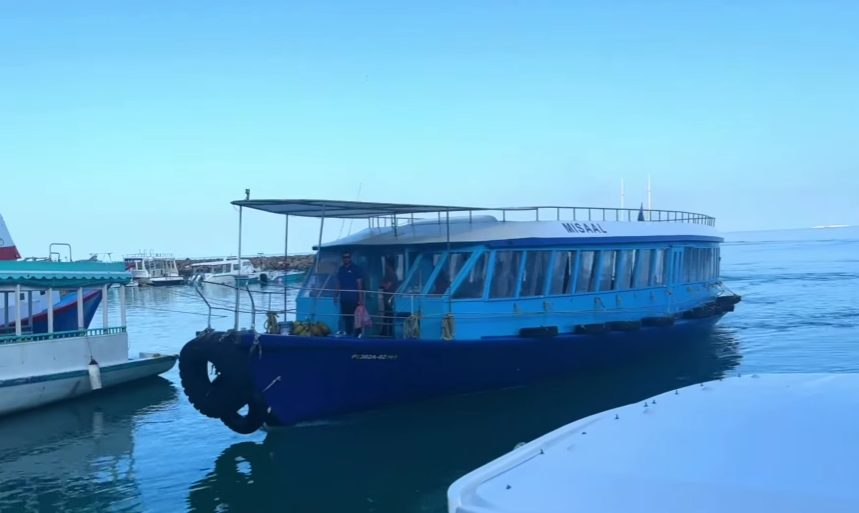
Floating across the Maldives means watching every move – prices shift wildly depending on how you travel. One misstep, say picking the faster boat instead of the local ferry, might drain hundreds from what you planned to spend. Choices stack up quietly, then hit hard when bills arrive. Moving slowly saves more than time. What seems small at booking turns heavy by departure day.
Heading to your island from the airport? You’ve got three options. One skips the usual route entirely. Another takes a longer path but moves faster when timed right. The last works only during early hours, yet many overlook it
- Flying by seaplane costs between three hundred and eight hundred dollars each direction. It moves quickly, offers views few forget – resorts often choose it for guests who pay more. If you watch every dollar, though, there’s no real chance here.
- For about 30 to 40 dollars each way, a speedboat gets you there fast. Roughly forty five minutes will pass before reaching Maafushi. It moves quicker than the ferry, so timing matters less when life runs on tight hours.
- Ferries run by the government cost about two dollars each way. Ninety minutes gets you to Maafushi, give or take. Budget travelers pick this ride – most find it nearly as good as pricier options. Price gap? Big. Experience gap? Not so much.
Traveling by ferry does take more time. Still, the ride feels calm, with solid scenery along the way. Getting there half an hour down the road, just to keep $28 to $38 back in your pocket per person every trip, makes sense somehow. All the moving around for the full six days – ferries, city buses, short cab rides – added up to $28 each.
Food: How to Eat Well in the Maldives Without Overspending
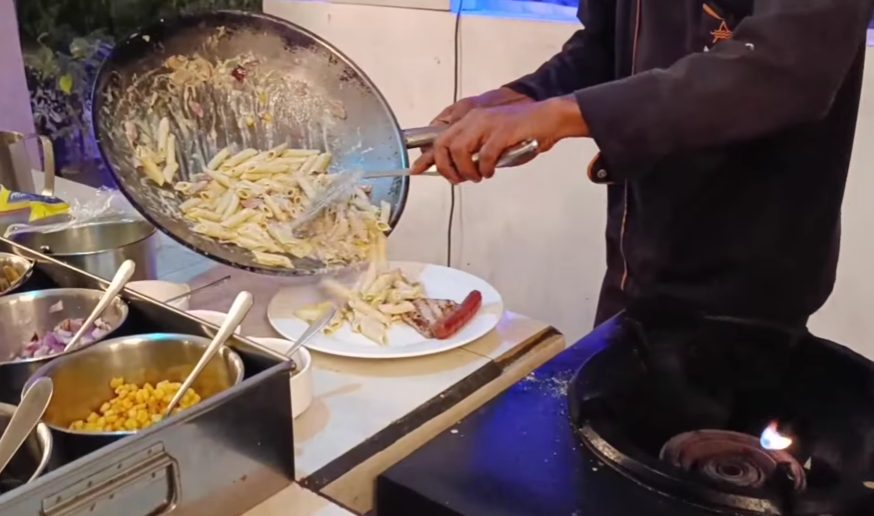
Stuck on a private island? Chances are your wallet feels it too. Dining inside high-end resorts often drains budgets fast – sometimes just one plate outpaces full-day meals elsewhere. Take Maafushi. Eating there for twenty-four hours might cost less than breakfast at those fancy hotels. Guesthouses skip the markup trap completely. That quiet pricing edge sneaks under many travelers’ radar. Choosing locally isn’t always about charm. Sometimes it’s just math hiding in plain sight.
Breakfast usually comes with your stay at most Maafushi guesthouses – that’s one less thing to pay for each day. When midday arrives, choices open up; eateries dot the island, fitting different tastes and budgets. Though it draws crowds, this place still holds pockets of fair pricing if you know where to look. Staff at your lodging often point out meals worth more than their cost. Surprise finds tend to hide near the back lanes, away from main paths.
Spending close to eight dollars each for midday and evening meals feels doable. That adds up when you look at the full six days, especially since mornings were taken care of – breakfast included daily at the lodging. One traveler ended up using ninety-six bucks total just on food.
Activities: What to Do and Exactly What It Costs
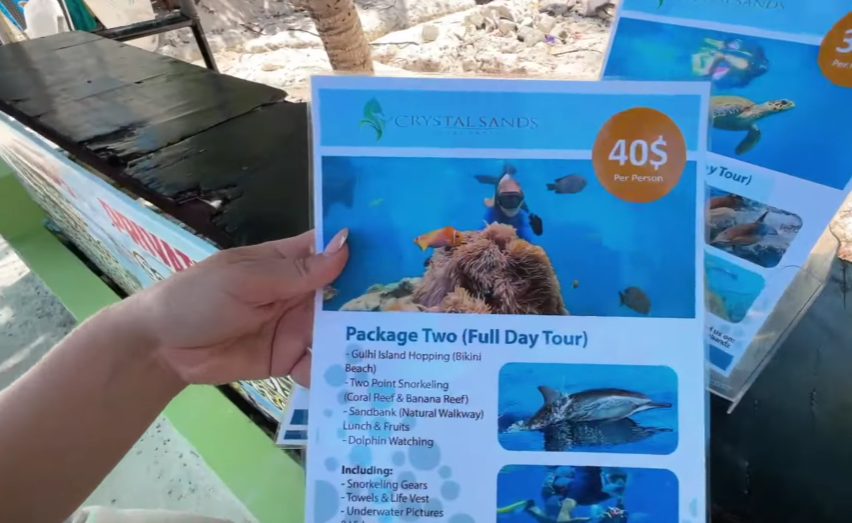
Here’s why the Maldives stands out – a carefully managed budget journey can bring moments that truly seem impossible anywhere else. Not by chance, but by choice: arranging excursions via local operators in Maafushi makes all the difference. When compared directly, identical outings arranged through resorts often run triple or even quadruple the price.
Swimming with Sharks ($50 Per Person)
Out here, hands down, beats nearly every cheap adventure you can find in the Maldives. Booking a whole day of swimming near sharks – through an outfit based on Maafushi – runs about fifty dollars each. Gear for snorkeling? Usually part of the deal. So are rides out into deeper waters, guided the entire time.
To someone new, swimming near sharks might seem scary at first glance. Yet out there, those creatures barely notice people around them. Locals guiding trips every single day say actual bites almost never happen here. Watch them glide by, relaxed, like you do not matter one bit. Most folks imagine something like this but never expect to live it – fifty dollars opens that door.
Water Sports and Equipment Rentals
Down the central path of Maafushi, shops selling water activities pop up again and again – parasailing here, kayaks there, jet skis nearby, wakeboards too, plus gear to rent. With so many crammed close together chasing the same people, each tries harder than the last to win you over. Start talking price only after peeking at what two or three others say. Odds are high your final number drops well below that opening offer.
Free Beaches on Maafushi
One of Maafushi’s four open-to-everyone beaches goes by the name Bikini Beach. Only here can you wear swimming clothes without breaking rules. That stands out since the country follows Muslim traditions closely. Most shorelines ban swimsuits in public view. Getting to this special beach means covering up along the way. Respect shows in how people act, not just what they wear. Customs shape daily life on the island. Travelers keep things smooth by fitting in quietly.
Down by the shore, Water Sports Beach hums with activity, its stretch of sand packed with movement. Coral Beach sits quieter, edged by shallow waters where light dances on limestone patches. The main public beach opens wide under sky and sun, drawing crowds who stroll without hurry. Each spot shapes a different mood, one you feel in your step as the day leans into dusk.
Biking at a Luxury Resort
Floating on two wheels above the lagoon, past stilted rooms, light bounces off water in every photo – yet being there hits deeper. That moment slipped into the journey after checking in under palm-thatched roofs at Paradise Island for a single night. Instead of skipping extras, we joined the reef shark walkthrough; together with pedaling slow loops, both added up cleanly to fifty-five bucks each by day’s end.
The Real Cost Breakdown: Every Dollar Spent on This Trip
Exactly what was spent. Not a guess, not adjusted. Each cost listed is real money used by one person during those five nights and six days in the Maldives.
| Expense Category | Details | Cost Per Person |
|---|---|---|
| Flights | Roundtrip Manila to Male via Singapore (Scoot Air, seat sale) | $318 |
| Accommodation | 4 nights budget guesthouse on Maafushi + 1 night water villa at Paradise Island Resort | $49 |
| Food | 6 days, breakfast included by guesthouse, ~$8 per meal for lunch and dinner | $96 |
| Transport | Ferries, local buses, taxis across 6 days | $28 |
| Activities | Shark swimming day tour + resort biking | $55 |
| Total | 6 days, 5 nights, full Maldives experience | $546 per person* |
That $96 each mentioned here covers only what you spend once you arrive, not airfare. When the flight came from a discounted offer, the full price per traveler reached $546. If there is no deal on seats, prices shift based on where you’re flying from and when you book.
A Note on Cultural Respect in the Maldives
Faith shapes daily life in the Maldives – respect follows naturally when you visit. On common ground beyond spots such as Bikini Beach at Maafushi, swimming clothes stay out of sight. Move across villages with covered shoulders and knees; it just makes sense. Though rules may seem strict, small choices earn real appreciation from residents. Modesty isn’t a burden – it fits quietly into how things are done here.
On local islands where people live, like Maafushi, you will not find alcohol. Resorts, however, can serve it – but only if they have the right permit. When organizing your stay, keep this difference in mind while choosing where to sleep.
Why You Should Not Wait Too Long to Visit
One thing about visiting the Maldives isn’t just how much it costs. A report from ABC News says seas could swallow nearly four-fifths of the nation by 2050 because the planet is heating up. These islands rise only about a meter and a half above the ocean now – putting them among those most at risk when waters climb higher. Yet they remain, barely lifting above the waves.
Truth sits quietly here, though it matters. Should the Maldives call to you, timing shifts into focus – soon holds weight beyond price tags. Picture those islands differently twenty years ahead; what stands now might soften into memory.
Your Day-by-Day Itinerary for 6 Days in the Maldives on a Budget
Day 1: Arrive in Male, Transfer to Maafushi
Morning light hits the runway as wheels touch down at Velana International near Male. From there, walk to the public ferry dock – boats leave for Maafushi about every few hours, costing close to two dollars. Ninety minutes pass while waves slap against the hull and islands blink on the horizon. Once ashore, find your guesthouse, drop bags, then wander paths barefoot to learn corners of the island. Sunset paints the shore during an unhurried stroll along the waterline before picking a seaside table for meals. Sleep comes early because mornings here start long before dawn.
Day 2: Shark Swimming Day Tour
Grab your spot for the shark swim via a beachfront agency – best done the night prior if you want to leave at first light. Out past the reef, float above sandy drops while sharks glide underfoot, turtles drift by, sometimes even rays show up without warning. Most folks carry this moment home in their heads long after towels have dried. When shadows stretch across Maafushi, walk its paths again, pick another eatery, let flavors shift from earlier meals.
Day 3: Beach Day and Water Sports
Early light hits Bikini Beach just right. Later, stroll the central road, checking what each operator charges for your preferred splash – maybe paddling, maybe soaring above waves, maybe roaring across them. One shop nudges another lower, so wait it out before locking in. As day folds into night, shift to Coral Beach where things slow down with the fading glow.
Day 4: Explore Maafushi Freely
Maybe take today just as it comes. Should something from earlier in the trip feel worth repeating, go ahead and do that instead. A short boat ride might lead to another island’s resort – ask around at your lodging for what’s possible. Try tracing the whole edge of land on foot, one step after another. There is time to test a different restaurant, somewhere unvisited so far. Sitting still could matter most – feeling the air, knowing you’re here, low cost, deep calm.
Day 5: Check Out and Transfer to Paradise Island Resort
Leave your guesthouse behind, then hop on a speedboat ride straight to Paradise Island Resort. Not far from the airport, it skips the pricier seaplanes altogether. Slide into your water villa, time stretching ahead without hurry. Dip into the sea right off your porch, pedal down wooden pathways under shade, soak in warm water while waves hum below. Evenings arrive with colors spilling across the sky – best seen from your private deck. This moment fits just right.
Day 6: Morning at the Villa, Transfer to Airport, Fly Home
One final morning light spills across the water. Breakfast waits under shaded pavilions by the shore. Luggage gets loaded after checkout, silence settling in early. The boat cuts fast toward land where flights wait. Time might stretch long enough for a walk through Male’s narrow lanes. Returning via Singapore? Or maybe Kuala Lumpur? Either city offers another quiet chance to wander before home truly begins.
Frequently Asked Questions
That journey detailed here added up to ninety-six dollars each for six days – five nights of staying, eating, moving around, plus doing things. With a cheaper return ticket grabbed during a fare drop, one traveler paid five hundred forty-six in all. Where you fly from changes everything. So does timing. Airfare shifts more than anything else.
True. Budget visitors often land in Maafushi first, since it’s packed with guesthouses running nightly rates from thirty to fifty dollars. Eateries run by locals serve up daily meals nearby. Tour operators set up shop close by, cutting prices just to stay ahead. You pick what you eat each day. Adventures are yours to build – no fixed plans forced upon arrival.
Out on the water, the ride from Male to Maafushi by public ferry runs close to two bucks. Ninety minutes pass while sitting on board, watching waves slap the hull. Cheapest route there? That one wins easily. Speedboats charge thirty to forty dollars just for going one direction. Less time spent – roughly half – but wallets feel it fast. Then comes the plane that lands on sea, swift and offering views of blue stretching wide. Three hundred up to eight hundred per seat makes it vanish from most plans. Budget travelers shrug at the price tag. Practicality fades when counting coins.
Weather turns pleasant just before the busy stretch kicks in. One month prior to November through April brings lighter costs alongside steady skies. October stands out – rates stay low, sunshine dominates even if showers pop up now and then, while fewer people wander around compared to the rush later on. After April wraps up, similar perks return for those who wait.
Final Thoughts
Maybe the Maldives doesn’t need to wait until later. Pick flight paths carefully, settle onto Maafishi for steady days, toss in just one evening in a stilted cabin above the sea, then line up snorkel trips or boat rides straight from island guides – suddenly the postcard scenes come into view, far below brochure price tags.
Swimming alongside sharks? It happens here. Morning light hits your face as the Indian Ocean stretches wide. Pedaling past villas built on water leads straight to a bathtub overlooking open sea. All of this costs ninety-six dollars locally, maybe five hundred forty-six once flights are factored in. The Maldives like this – cheap, real, untouched – lives up to the idea exactly.
Grab a flight. Lock in that guesthouse spot. Waiting won’t help – the islands sit there, quiet, while time ticks faster than we thought.
Read More
- How to Travel the Maldives on Budget: Complete Local Island Travel Guide with Prices, Transport & Island Tips
- Conrad Maldives Muraka Review: The World’s Most Expensive Underwater Hotel Stay ($18,000 Per Night)
- Four Seasons Resort Maldives at Kuda Huraa Review 2026: Real Stay, Prices, Dining & Full Experience
- Best Luxury Resorts in the Maldives: Ultimate Guide to Private Island Luxury
- Top 10 Best Honeymoon Destinations in Maldives for a Truly Romantic Escape