Picture the Maldives. You likely see bungalows floating above blue water, staff waiting nearby, prices so high they hurt to think about. True enough – yet there’s more beneath that surface. Just past the luxury docks lies a different world, made of small islands dotted with coral, where clear waves meet soft sand each morning. Here, everything runs on simpler math: one full day might cost near sixty dollars. This piece sticks close to that reality. Each number, each suggestion, each hint comes from walking those streets, speaking with people, staying in homes far from five-star claims. Not guesses. Not dreams. Just what works when you step off the polished path.
This guide covers everything. If thoughts turn to affordable Maldives trips, questions about local islands pop up. Resort prices compared to guesthouses matter here. A realistic look at budget travel unfolds. Finding answers becomes easier without confusion. Practical details take center stage instead of dreams. The journey through costs begins now.
Visit the Maldives on Budget
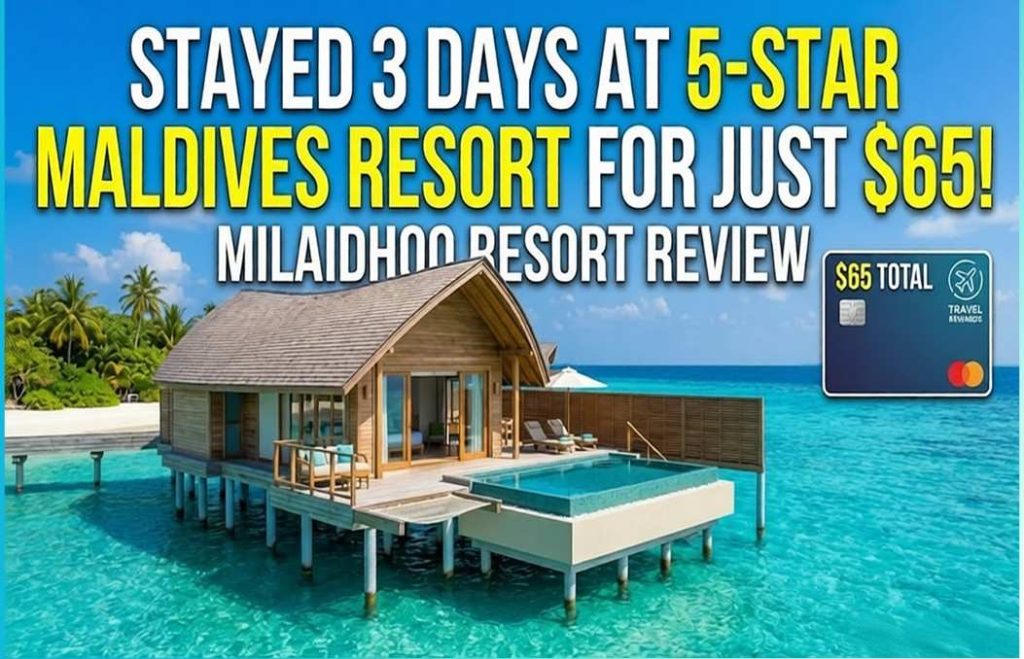
Midnight swims off decked patios where water meets sky. Quiet mornings start with a glass of something cool beside a bed built on stilts. Sun dips low, painting everything gold before disappearing behind thin islands. Staff appear only when needed, never sooner. Prices climb past fifteen hundred dollars each night like it means nothing at all.
Yet the Maldives people see isn’t the whole picture.
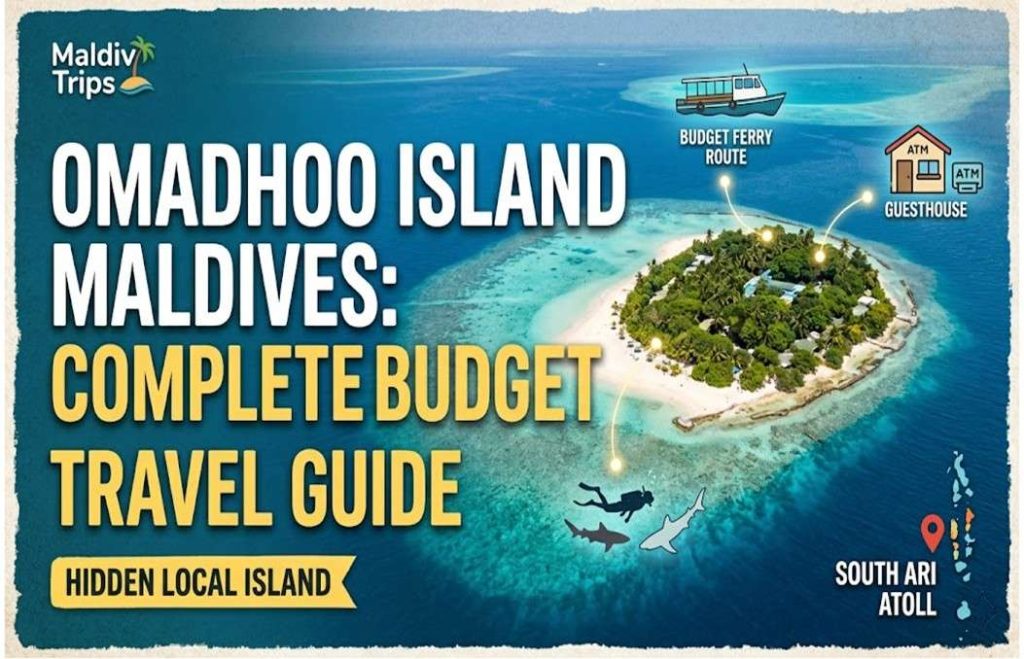
A different Maldives exists. Not far off, locals run small guesthouses right beside their homes. Mornings bring bright blue waves lapping near your window. Coral gardens wait just a short swim from shore. Whale sharks glide through deep channels nearby. Sunsets paint the sky in quiet hues, unchanged by price tags. Staying here costs about sixty dollars each day. Luxury escapes charge countless times more.
This full guide to the island helps explain things clearly. It walks through each part step by step, showing what happens behind the scenes. You see how pieces fit together without confusion. Details unfold naturally as you move along. The process becomes obvious after a while. Nothing feels hidden or out of place. Each section builds on what came before it.
What’s covered here includes:
- The real difference between private resort islands and local inhabited islands
- How the 2009 tourism law change opened the Maldives to budget travellers
- How to get from Malé to local islands using ferries or speedboats
Accommodation prices across Thulusdhoo Maafushi Fulidhoo and Dhigurah
Money for meals might surprise you. Tours can take a big chunk each day. What’s left often shrinks faster than expected
- Where to find affordable whale shark, dolphin, and reef shark tours
- What to expect regarding alcohol laws, dress codes, and cultural etiquette
Truth be told, most guides oversell paradise. This one strips it back. Staying on a local island? It works – when you know which guesthouse skips the markup. Resorts promise ease but often deliver cookie-cutter days. Meanwhile, ferries move slow yet open up chains of untouched spots. Brochures paint perfection; actual nights include mosquito bites and spotty Wi-Fi. Still, sunsets stay vivid regardless. Choices matter more than budgets. Some save cash just to waste time waiting for speedboats. Others land cheap flights then pay extra for basics. Clarity comes from having done both. Not theory. Real mornings hauling bags across sand docks. Real meals at family-run cafes where portions surprise. Worth it? Depends what you seek. Crowds flock resorts. Quiet corners live elsewhere.
Out here, clear blue water pays no mind to your wallet size. Reefs stay just as they’ve always been – unchanged. Whale sharks glide through like nothing ever shifted. Sandbars remain untouched by price tags. Your bed might be softer if you spend more. Boats could feel fancier under your feet. A cocktail might wait at some polished counter instead of fresh coconut held in hand near village huts.
Most islands here let travelers see life as locals live it. Not through luxury glass floors, but on footpaths near homes and markets. Instead of private decks, days unfold around small cafes, family-run shops, little boats at docks. Staying becomes possible for weeks, not just nights. Costs drop while connections grow stronger. What some might miss in comfort gets replaced by moments that feel real. Nights sound like waves plus distant voices from a beachside game. Mornings start with tea sold in paper cups, shared smiles, no reservations needed.
Start smart, pick spots with care, then let moments matter more than plush extras – suddenly the Maldives feels less like a dream, more like something within reach.
The Two Versions of the Maldives Nobody Talks About Honestly
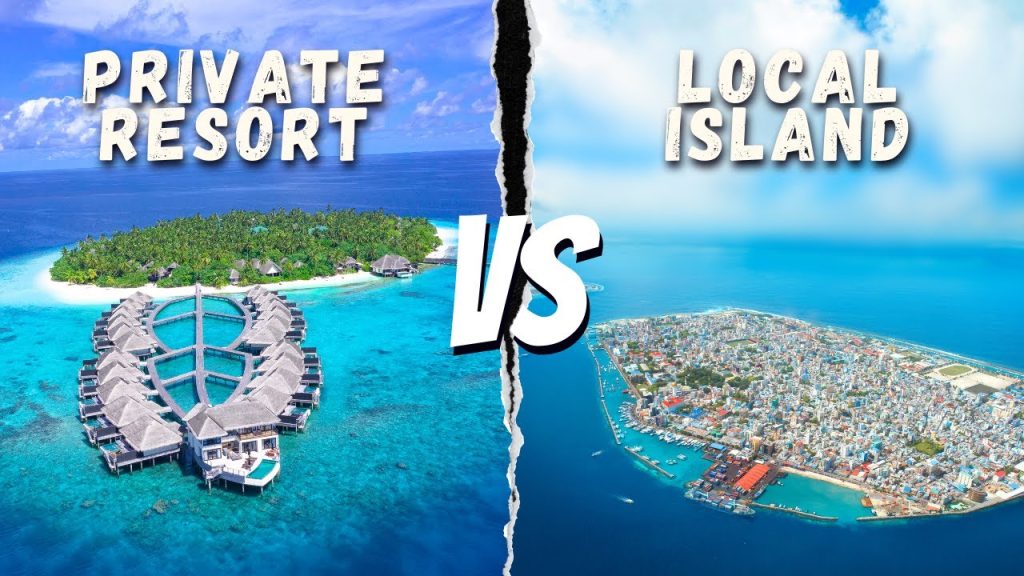
Most of the Maldives’ tourist activity splits into two separate systems. One path leads to private island resorts – reachable only by boat, serving alcohol, strictly high-end, with nightly rates starting around a thousand dollars and climbing fast. The second route takes travelers to inhabited local islands, where ordinary Maldivians live and began hosting guests just after 2009. Until then, rules kept every foreign visitor confined to official resort zones. A shift in rules back in 2009 changed things quietly. Because of that moment, travelers watching their spending could finally visit islands where people live – opening up a fresh path through the nation’s heart.
This remains a fairly fresh setup. Year by year, the island’s local vibe keeps expanding – so costs stay fair, roads get better, life stays real instead of staged for visitors. Here’s what shifts perspective: it does not matter if your daily budget hits sixty dollars or two thousand, the water stretches equal, the reefs dive just as deep, whale sharks glide past all the same, and dusk paints each evening without favor. Not the place that varies. It’s only where you sleep and whose hands serve your morning meal.
Getting There: Ferries, Speedboats, and the First Real Decision
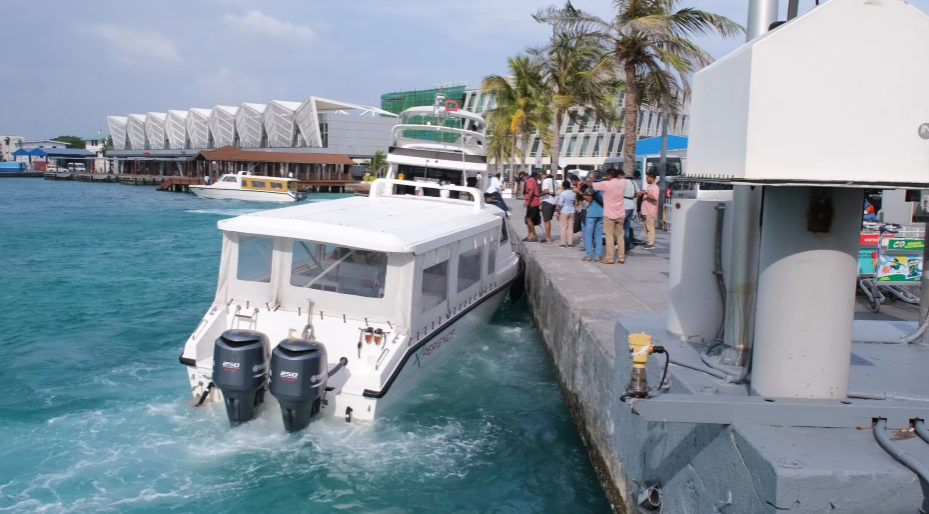
When your plane touches down at Velana International Airport in Malé, the nation’s capital, choices split without delay. From here, paths separate fast – one headed toward comfort, the other toward economy. Those heading to resorts climb aboard hotel-organized speedboats or seaplanes, smooth and swift. Visitors bound for local islands take public ferries instead; costs drop the moment they step on.
Ferry rides or speedboats get you to many nearby islands from Malé. Different choices appear depending on where you head. Some spots only open up through one kind of ride. Distance shapes what works best each time. Weather can shift how smooth any trip feels. Not every boat runs daily either way.
Public Ferries
Getting around nearby islands usually means hopping on a public ferry. Take Thulusdhoo – a ride there runs about one dollar fifty. But it takes hours, sometimes close to two, varies by location. Schedules are set by officials, so they might not match when you land. Missed connection? Then sleep in Malé, try again at daybreak. Morning boats wait for no one.
Speedboat Transfers
Thirty minutes is what you get when swapping slow ferries for a speedboat ride, priced near twenty-five bucks. Most trips shrink fast once onboard one of these quick rides across open water. Cost climbs past standard ferry fares – yes – but think about those bigger savings from avoiding resorts altogether. Thousands stay in your pocket that way, making the boat fee feel less sharp. Heavy bags? Tight schedule? Then maybe give this quicker trip real thought before deciding.
Start thinking about how you’ll move around even before arriving. Once on the ground, confusion hits fast – better to already know which ferry runs when. Early flights or ones that arrive after dark? Set aside cash for a stay in Malé, maybe one night, possibly two. That place never sleeps, yet offers little charm. Slip through without slowing down; that’s the smoother way.
A Note on Currency
This trips up plenty of visitors. Prices across the Maldives usually show in US dollars – hotels, activities, transport. Yet ATMs hand out only local currency, the Rufiyaa, never greenbacks. Paying with rufiyaas for dollar-tagged services? Certain places swap the value behind the scenes, costing you more without warning. Best fix: pack physical USD before leaving your country. Most island spots take USD without issue. Skipping currency math becomes a thing when dollars are used. Leftover rufiyaa? They sit useless once past Maldivian borders. Wrap up those small bills before arriving at departure zones.
Accommodation: What You Actually Pay on Local Islands
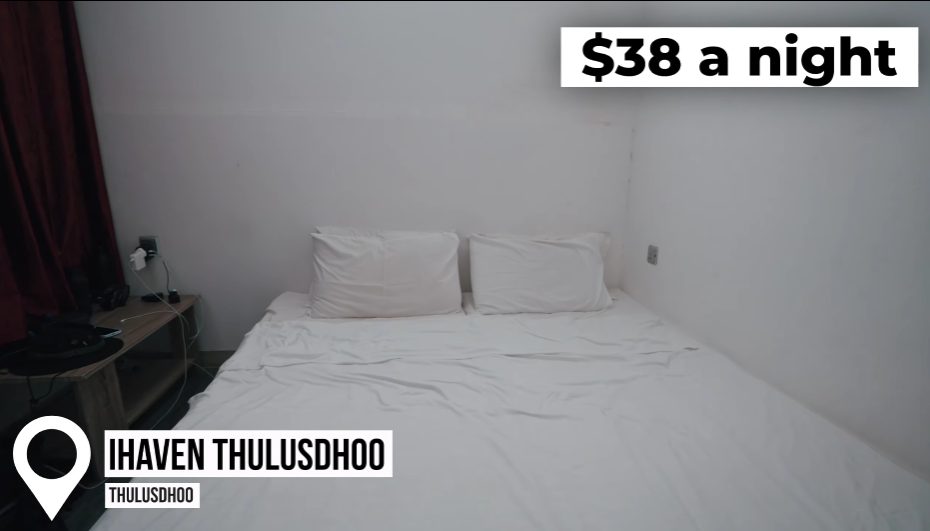
A place to stay eats up the biggest chunk of your money when visiting a nearby island, yet prices stretch further than many guess. Starting at about $38 each night, you can snag a room with its own toilet and shower – rare value across the Indian Ocean. Some busier or sought-after spots set the lowest rate near $75, still far below what basic resorts demand elsewhere.
Finding a place to sleep on smaller islands usually means choosing between tiny hotels, family-run guest spots, or staying right inside someone’s home. Not every spot looks the same, yet having clean space, working internet, cool air indoors, and your own toilet comes more often now – even when paying less. Some hosts slip morning meals into what they charge, something that quietly changes how much each day really costs.
Dry Season vs. Wet Season Pricing
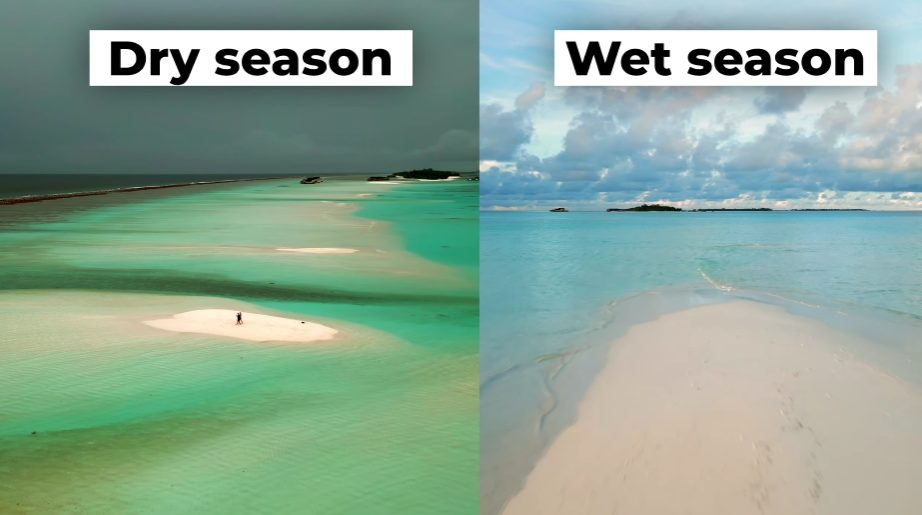
When you travel changes how much lodging costs. From December to April, the weather turns dry. That stretch draws crowds – sunshine lasts longer, waves stay flat, yet more people want rooms. So rates climb higher. Then comes May, rain begins showing up more often until November rolls around. Showers pop up now and then, though gray skies seldom stick past noon, bursts of light break through frequently, plus ocean warmth never really fades away. When rain falls more often, places to stay cost less money, yet crowds shrink too. Those who can shift plans might find May or November hits a sweet spot – less downpour, better deals.
Food: Eating Well Without Overspending
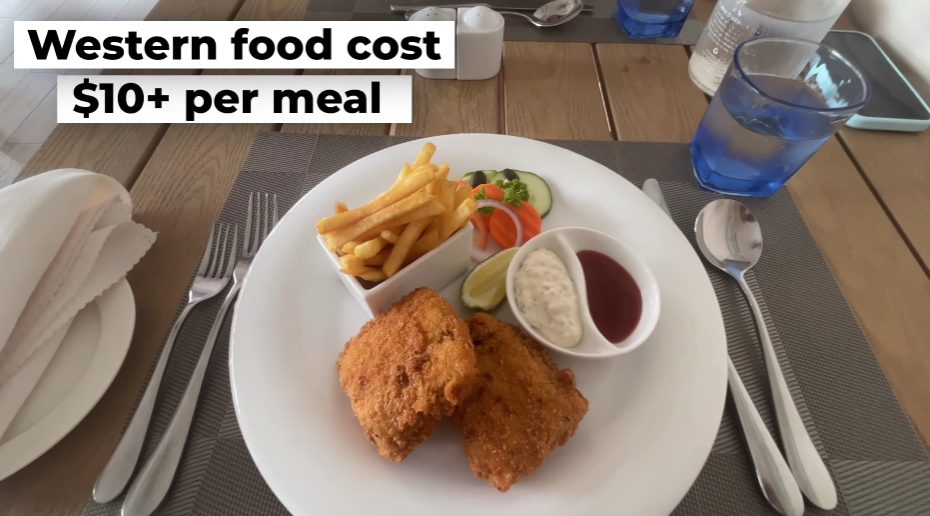
Fresh meals pop up on some islands, while packaged stuff shows elsewhere – your pick shapes most of what you’ll spend each day.
Local Maldivian Restaurants
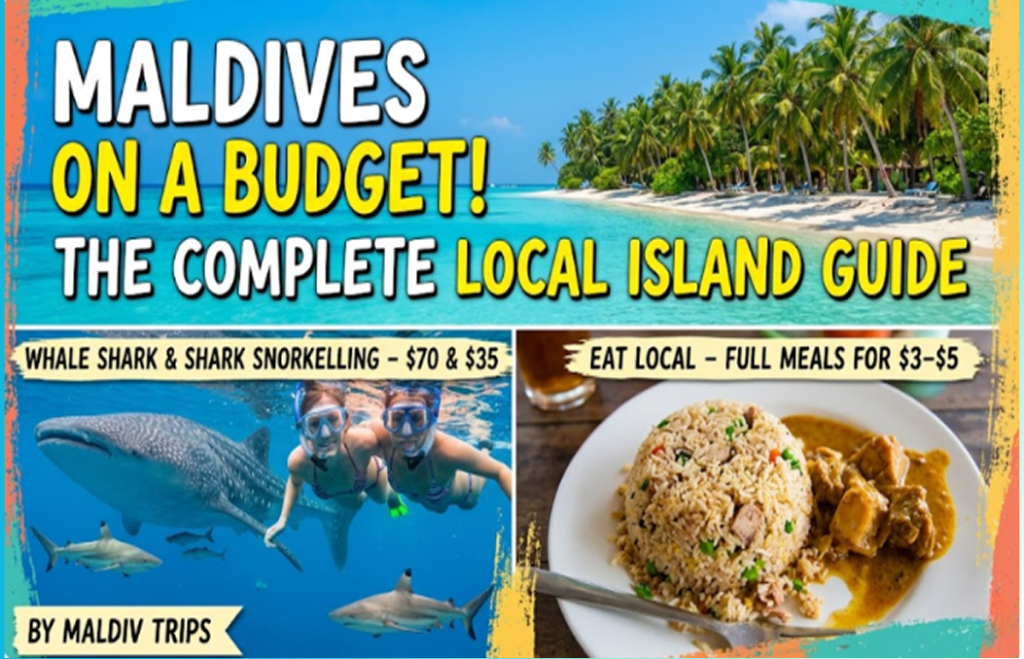
Staying on local islands means good food without spending much. Between three and five dollars buys a whole meal near the harbor. Out here, tuna shows up everywhere on plates – caught daily, cooked many ways. Fried rice with tuna, spiced curry, grilled cuts – each dish stays close to the basics but fills you well. Morning, afternoon, any time really, try short eats from small cafes nearby.
Western and International Food
You’ll spot Western-style food now and then at places catering to travelers – think burgers, pasta, or grilled fish made familiar ways. Priced higher, these dishes feel more like splurges than everyday choices. Better to stick with local fare most days, saving the imported tastes for rare moments. A few bites of comfort from home can be nice – but not every day.
Here’s something real: after 14 days of dining out together, we spent about $460 on food. That averages less than $17 a day per person for three meals. Turns out, eating out there doesn’t drain your wallet like you’d think.
Activities: Where the Real Value of Local Islands Lives
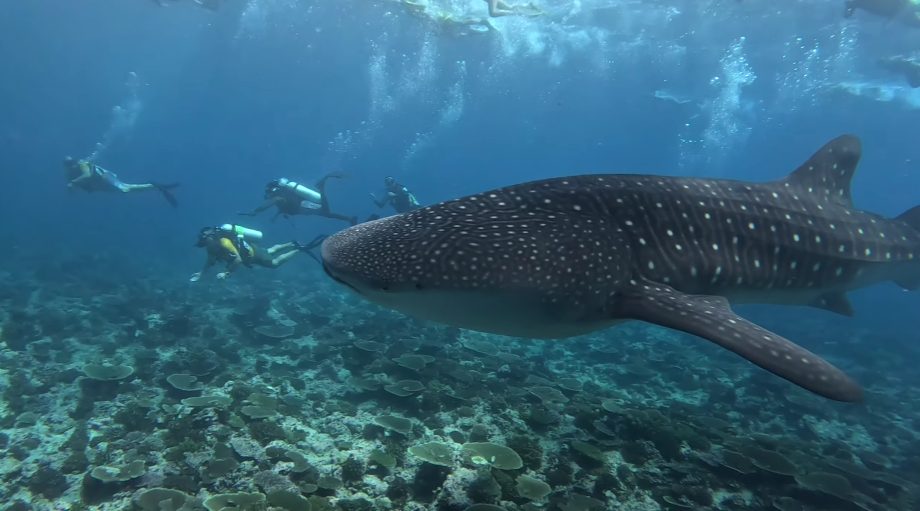
Few things compare to what happens out past the shoreline, where life thrives beneath turquoise shades. What pulls people here isn’t just beauty – it’s movement, immersion, presence. You’ll find coral gardens blooming under quiet waves, reachable without emptying your wallet. Island-run launches put swimmers face-to-face with turtles, reef sharks, clouds of parrotfish – no luxury markup required.
Dolphin Cruises
Sunset rides to spot dolphins rank high among island evening outings. About twenty-five dollars covers one seat on a group vessel. One hundred bucks hires a private ride, lasting close to an hour and a half – worth considering when three or four people split it. These sea mammals show up often in these parts, so seeing them is likely. Miss a sighting? Many guides will take you out again at no extra charge.
Whale Shark Tours
Out in the Indian Ocean, the Maldives stands out for real whale shark sightings. Not like certain spots in Southeast Asia – where fishers toss food to lure them close – the sharks here show up on their own terms. These gentle giants aren’t coaxed by handouts; instead, they stay because the waters feed them naturally. Channels rich with plankton pull them in, again and again. Wild behavior stays undisturbed, playing out just as it should.
Close to Dhigurah lies a spot where whale sharks show up almost every time. Snorkelling with them from this island sets you back seventy dollars each. Tours leaving from farther spots charge anywhere from one hundred to one hundred fifty bucks apiece. Resort-led trips, meanwhile, hover near eleven hundred for the whole vessel. Floating feels just the same. Yet what you pay? That part differs sharply.
Here’s the truth: Maldives whale shark spots draw crowds simply because they’re famous. With so many people coming from nearby areas, things get busy underwater – sometimes even hectic. It pays to stay realistic about what happens down there. Still, amazing moments happen. Just do not expect solitude.
Stingray and Reef Shark Snorkelling
Few things beat this outing when it comes to what you get for your money, hands down one of the best island adventures around. Priced at thirty-five dollars a head, expect about three hours immersed where sea life roams free. Swimming alongside reef sharks changes minds fast – these creatures aren’t thrill-seeking hunters but quiet observers, drawn more by interest than instinct. Glide below the surface and rays unfold like shadows drifting through liquid time. Visitors unused to sharing space with big ocean dwellers often leave seeing nature differently. Because moments like these shift something subtle inside.
A typical stingray swim booked via a private island getaway runs about two hundred dollars each. Even though you see identical creatures beneath the surface. Conditions underwater feel just like anywhere else nearby. Reefs appear exactly how they do on any other trip offered locally.
Other Activities Worth Considering
Out past the usual routes, you’ll find sandbar excursions – vessels heading out to bare patches of sand, ringed by calm, knee-deep lagoon waters. Instead of lounging indoors, many choose snorkelling with turtles, catching waves offshore, or visiting untouched islets far from crowds. Folks who’ve spent seasons hopping between atolls often say one thing clearly: put funds toward outings, skip the fancier rooms. Comfort fades. Moments on the water stick around. What changes your days isn’t softer sheets. It’s another morning spent exploring.
The Best Local Islands to Visit
Maafushi
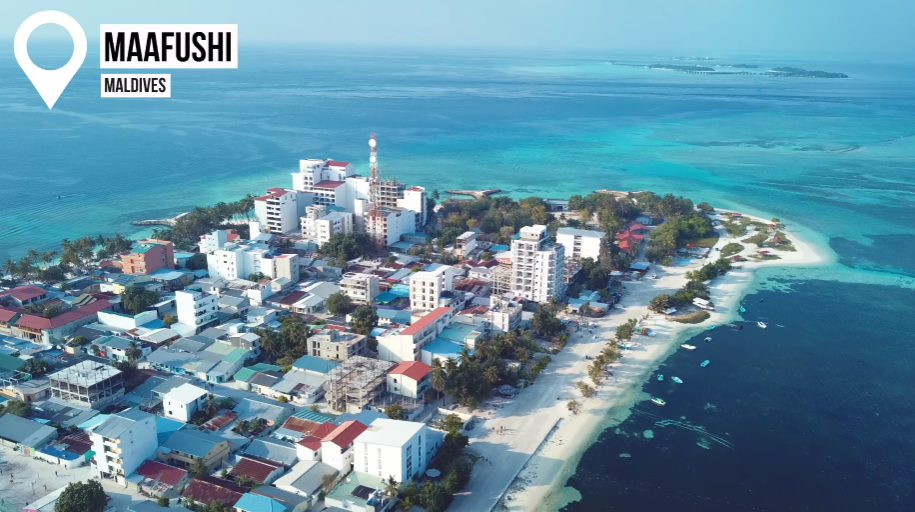
One early spot where locals opened doors to tourists was Maafushi, setting pace for others. Still today, newcomers pick it often because staying here does not cost much. Meals show up in many styles, thanks to numerous places serving them. Excursions leave regularly at prices that compare well elsewhere. Yet crowds have grown along with its fame, so sand spaces fill fast. The shoreline hums louder than before, shaped by shops and steady footsteps. Quiet seekers might feel surrounded too tightly by activity. It works well as a starting point when chasing low-cost adventures nearby. Busy energy defines the mood – calm solitude takes a back seat here.
Thulusdhoo
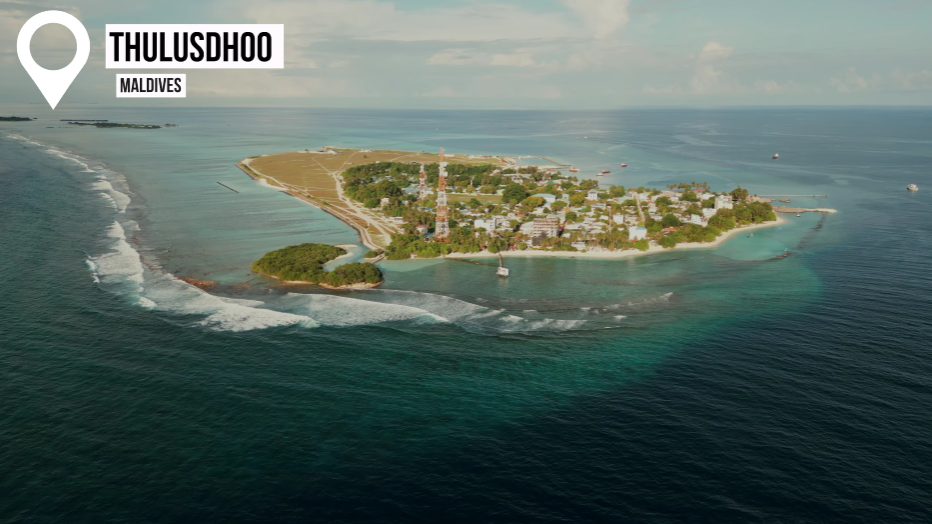
Surfers often pick Thulusdhoo as their base. Just a stone’s throw from a top-rated wave spot, it pulls in travelers who live for ocean swells, every single month. When the tide drops, you might find yourself sipping coffee at a low-key cafe instead of chasing barrels. Nights can unfold quietly in budget stays that don’t skimp on charm. Boat rides leave regularly – dolphins, coral gardens, floating lunch spots – all priced between twenty-five and thirty-five dollars. Hidden past the western edge, a sandbank glows under dusk light. That walk? Worth every step.
A stay in Thulusdhoo usually doesn’t cost much. For a private room with its own bathroom, guests paid just $38 each night – cheaper than any other local island spot checked.
Fulidhoo
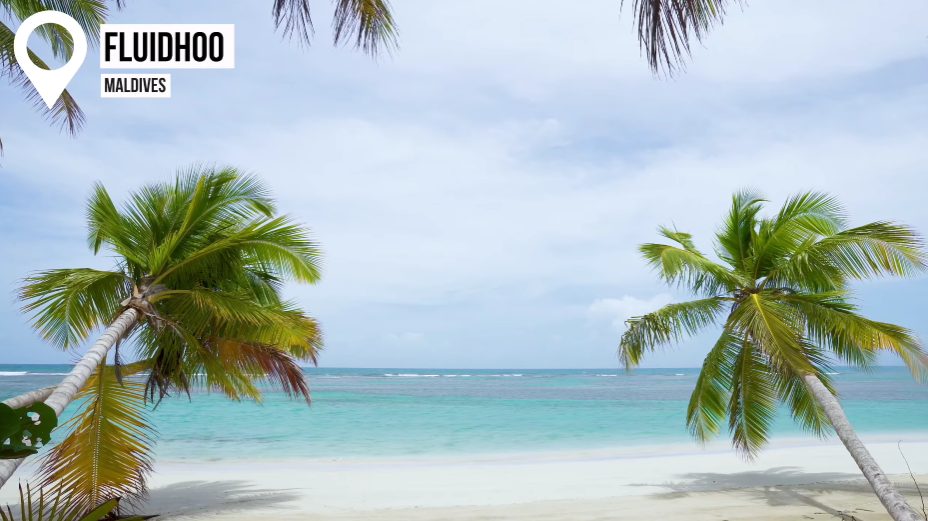
On one hand, Fulidhoo stays under the radar simply because it does not try too hard. Beaches here matter most, along with a stretch of coral you can reach by walking out into the water. That nearby reef? Known for frequent visits from turtles and stingrays close enough to watch at ease. Slower days appeal to certain visitors – those stepping back from crowded spots where footprints cover every inch of sand. Fewer people show up here; this leaves room to wander freely near shorelines others overcrowd. Quiet settles differently when there are long gaps between conversations down the coast.
Dhigurah
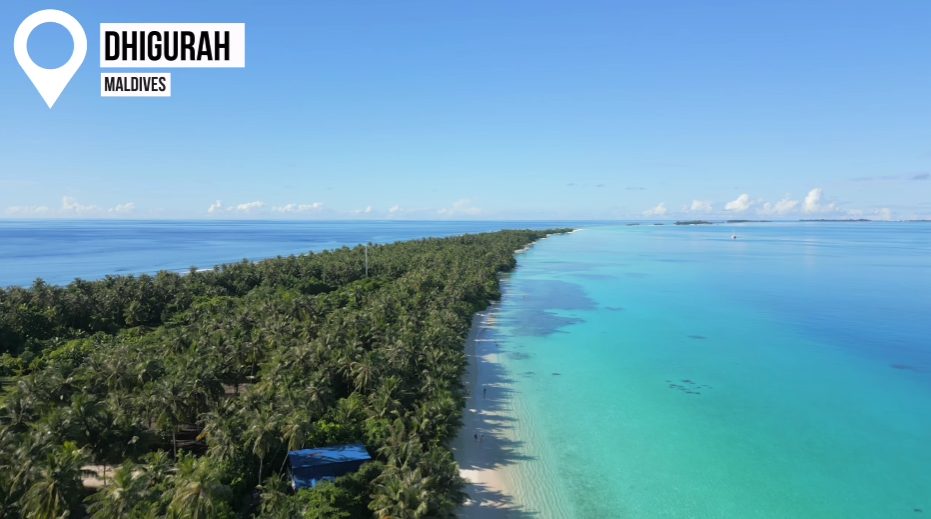
What makes Dhigurah different? Two things stand out – the long stretch of sand and the gentle giants swimming nearby. This island holds a sandbar so wide, it hardly ever seems full, even when packed with visitors. Stretching farther than most, it gives room to breathe where others feel tight. Sunbathers find more ground here, unlike the cramped shores found elsewhere up close. Space isn’t just visible, it’s felt underfoot, day after day. Whale sharks glide through these waters like they belong nowhere else quite the same.
What makes Dhigurah stand out? It sits close to where whale sharks gather, so tours cost just 70 dollars each. Other islands charge between 100 and 150 because they’re farther away. That gap adds up fast.
Here’s the thing about Dhigurah – it doesn’t come cheap. Staying overnight means paying at least seventy-five dollars each night, while meals cost noticeably more compared to nearby islands. That extra price tag? It actually matches better sand and easier chances to see whale sharks without emptying your wallet. A lot of visitors find themselves liking it most by the time they’ve seen everything.
Important Practical Realities: What Nobody Warns You About
Alcohol and the Local Island Reality
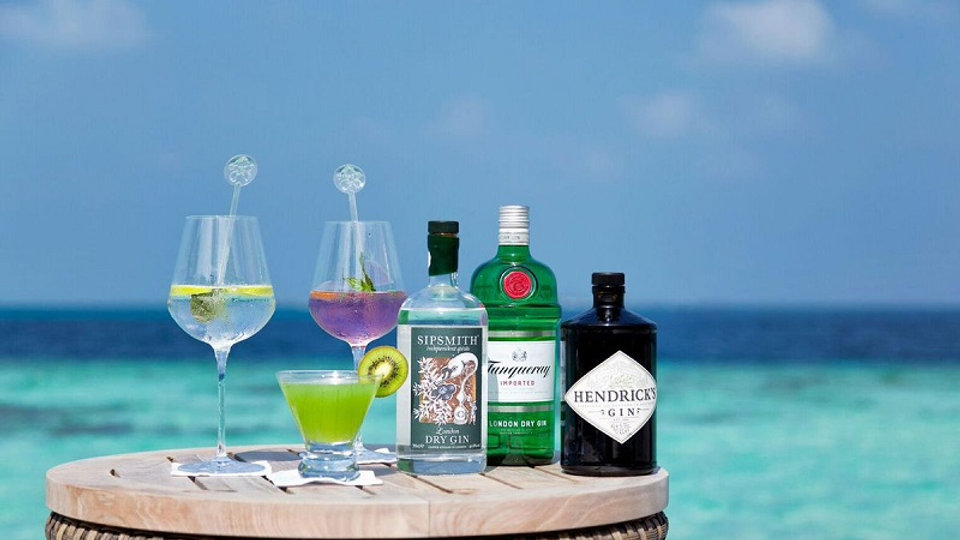
Faith shapes daily life across the Maldives, where Sharia law sets clear boundaries. On local islands, you will not find alcohol – it simply does not exist there. That reality isn’t hidden; it stands at the core of what visiting these places means. Before making plans, people should take time to understand this truth fully. Drinking can happen only through special exceptions: stepping onto a luxury resort just for the day – costs add up fast – or boarding an approved party vessel floating beyond certain shorelines.
Not drinking makes this whole thing irrelevant. When evenings usually mean drinks while travelling, island life asks you to rethink what comes after sunset instead.
Dress Codes and Cultural Respect
Bikini beaches show up on each island, yet they’re the sole spots okay for swimsuits. Moving through towns or regular shorelines means wearing clothes that cover more, even when stepping out from lodging toward water. Markers shift you from general sand to swim zones – simple to spot, hard to miss by accident. Mindset shifts things here; real lives unfold daily, far from staged getaways, families rooted long before tourists arrived. Acting right about outfits shows regard for people nearby, nothing like dealing with red tape or rules for their own sake.
Cash Is Essential
Some small eateries and neighborhood stores only accept physical money. On certain islands you’ll find ATM machines, though plenty have none, plus some that are often out of service. Best to take out enough bills while still in Malé – makes things smoother later. Earlier we mentioned carrying US dollars from your origin country; doing so skips any need to swap into local currency altogether.
Full Cost Breakdown: 14 Days in the Maldives for Two People
This is what a real two-person, 14-day local island trip actually costs, with no figures inflated or deflated.
| Category | Total Cost (USD) |
|---|---|
| Activities (5 tours) | $410 |
| Transport (speedboats & ferries) | $224 |
| Accommodation (14 nights) | $825 |
| Food (all meals, 14 days) | $460 |
| Total for two people | $1,876 |
That trip to the Maldives? Two weeks all-inclusive comes out to $938 per traveler. To compare, just one evening at a secluded resort often runs past $2,200 for a couple.
Prices shift depending on whether you pick Thulusdhoo, where beds cost $38 each night, or Dhigurah, starting at $75. Staying only in cheaper spots like Thulusdhoo could bring two weeks down to roughly $532. Choosing islands wisely opens space to spend even less – Maafushi or stretching a stay in Thulusdhoo makes a difference.
Spending 410 dollars across five tours shows value was never sacrificed for cost. Right here, the island’s local approach proves strongest. Whale sharks swam alongside reef sharks and stingrays during one outing, another brought dolphins twice, then there was the sandbar stop – all under 410. At a luxury resort, just one swim with whale
Frequently Asked Questions
True enough. Starting in 2009, visitors could begin staying overnight in guesthouses on local islands where people live. It’s allowed by law, common across the region, and more travelers choose it each year.
Few places beat Thulusdhoo or Maafushi when it comes to low prices – private rooms pop up near $38 a night. While some islands charge more, these spots stay close to budget range without surprise jumps.
Floating across on a public ferry costs almost nothing though it takes longer. Government timetables control those rides. A private speedboat zips you over fast but runs about twenty-five dollars. Those boats adjust easier when plans shift.
Right now, whale sharks eat only tiny organisms, never people. These animals ignore swimmers because they’re focused on filtering food. Local experts lead each visit, keeping things under control most of the time. Big crowds show up, which sometimes turns calm moments into a jumble.
Carrying USD makes things easier. Nearly every place takes it, plus price tags usually show dollar amounts. Skip the poor exchange fees some shops add when you pay with Rufiyaa. Since you can’t swap Maldivian money abroad, hold on to only what you plan to use.
During December through April, skies stay clear more often though rates climb. Between May and November, lodging gets cheaper while crowds shrink – rain shows up quickly, rarely lasting past midday.
Is the Maldives on a Budget Actually Worth It?
A real look at things shows agreement. Traveling locally on islands within the Maldives isn’t some lesser choice. Instead, think of it as another way entirely – rooted deeper in daily life there. Money matters become less heavy this way. Because of that, many find richer moments happen off luxury properties. Reality lives here more fully.
Saying goodbye to booze, total seclusion, luxury resort treatment, also the dreamy idea of floating cabins on stilts. Whale sharks swim near you, reef sharks too – costs less than you’d think, real villages welcome you, stretches of sand go on and on, plus quiet pride builds when travel feels possible, not priced like fiction.
A small idea started back in 2009 – now it moves forward slowly but surely. Though years have passed, building keeps going across the islands. Facilities rise bit by bit, costs stay within reach, while each moment there avoids feeling rehearsed. Instead of waiting, heading to the Maldives earlier means seeing it without paying more just because everyone else wants to go.
From walking those dusty village paths to eating breakfast at roadside stalls – every bit of this came straight from being there. What you see here matches what showed up on receipts, all converted cleanly into American dollars.
Read More
- Conrad Maldives Muraka Review: The World’s Most Expensive Underwater Hotel Stay ($18,000 Per Night)
- Four Seasons Resort Maldives at Kuda Huraa Review 2026: Real Stay, Prices, Dining & Full Experience
- Best Luxury Resorts in the Maldives: Ultimate Guide to Private Island Luxury
- Top 10 Best Honeymoon Destinations in Maldives for a Truly Romantic Escape
- Maldives Off the Beaten Path: Discover the Hidden Beauty Beyond Luxury Resorts