Fresh fish straight from the sea shapes each meal on Fulidhoo Island. Because meals begin at dawn, flavors stay bold through every hour. Crispy bajiya crackle under your fingers before dissolving into spice. While some eat for comfort, others chase the sharp tang of fermented roshi paste. Meals unfold slowly, guided by tides instead of clocks. Though simple, dishes carry stories older than memory. Since ovens rarely spark here, fire and patience do most of the work. Each bite pulls you deeper into daily rhythms shaped by sun and salt.
Dreams of the Maldives often stick to glossy postcards, yet Fulidhoo Island slips past those images without warning. No cars rumble here, nor staged events for guests who just arrived. Forget long rows of trays cooled by machines – this spot skips them entirely. Instead unfolds a rhythm uncommon these days: daily life on a real island shaped by tides and talk. Fish arrive fresh, pulled from bright blue water nearby. Stingrays glide through shallow edges as if checking in. Kindness shows up not because it has to, but because that is how people are.
This guide walks through every detail of Fulidhoo Island’s food culture – what dishes appear on plates, how they’re made, where visitors lay their heads, because dining here feels nothing like meals anywhere else in the Maldives.
Fulidhoo Island Maldives
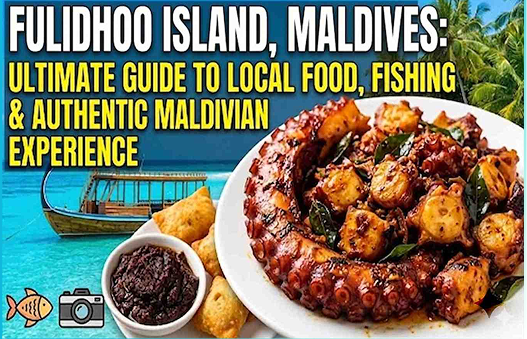
Most folks think of the Maldives as those floating bungalows, endless blue pools, plus meals served just so for high-end guests. Yet underneath that shiny image hides another version entirely – slower, closer, realer. On Fulidhoo Island, dishes arrive without flair because their purpose isn’t show – it’s sharing, roots, routine. This place breathes differently.
Out here on this tiny island, the sea decides dinner. By sunrise, fishing skiffs drift back full of silvery hauls – soon after, those very fish sizzle in pans. Not long passes before they’re served up slow-cooked, steeped in age-old ways. Tuna turns up nearly every time, tucked into dishes rich with coconut milk, sharp with chili, laced through with curry leaf and house-ground spices. What looks plain at first bites tells another story once tasted fully, like the people who make it: quiet, strong flavors beneath a calm surface.
On Fulidhoo Island, how people eat stands out more than what they eat. Instead of separate dishes served one after another, lunch unfolds as a spread meant to merge on the plate. At its heart sits rice – plain at first glance yet ready to carry bold tastes. Tuna curry drapes over it, thick and spiced, joined by spoonfuls of riakuru, intense and oily. A swipe of sharp coconut chili paste cuts through, while grilled fish adds lightness. Root vegetables appear when ripe, their earthiness balancing the salt. Hands mix it all, fingers pressing flavor into each mound. Each mouthful shifts slightly, building something whole without needing rules.
Midday slows down when the scent of frying pastries drifts through village lanes. Hot from the pan, jumbo bajiya crackle under fingers – flaky outside, steaming inside with seasoned fish. Instead of frying, some prefer bokiba, slow-cooked until the corners turn dark and firm, layered with grains, shredded nut, and spice paste. People gather around these bites like they do stories or tides – naturally, without notice. Each bite ties back to routine, not ceremony, woven into ordinary hours.
Out here on Fulidhoo Island, what stands out most is how the meal begins long before it hits the pan. A few hours spent casting lines near the coral might mean dinner comes straight off the hook by sunset. Once back on land, fire and spice take over – octopus gets pounded gently, soaked in warm curry blends laced with sharp chilies, slow-cooked into silkiness. Fish such as sweet lips or grouper meet flames directly, charred just enough to lock in taste while keeping flesh bright, untouched by anything store-bought or reheated.
Most meals arrive without fanfare, just clean flavors shaped by tides and time. Trust grows through what lands on the plate, not long lists printed on paper. Tradition guides each cut, every slow simmer under afternoon heat. Freshness shows up in ways you recognize, even if you do not name them at first. The fish carries salt air, handed down through nets and generations. Family hands shape what ends up near your fingers, warm and ready. A quiet bite beside waves can stay longer than expected. Memory builds slowly, often around things served bare.
Where Is Fulidhoo Island and Why Does It Matter?
Out in the water, Fulidhoo Island rests within an atoll people smile about calling the “Wow Atoll.” This speck of land stretches just 700 metres end to end, while barely reaching 250 across. Around 450 souls live here, close enough that everyone knows a little more than names. Cars do not roll down paths because there are none – movement happens on foot, unhurried. Life follows footsteps, chats under shade, and tides instead of clocks.
Out past Fulidhoo Island, the water looks almost unreal. Drifting slow beneath the surface, nurse sharks glide through shallow pools. When daylight first touches the shore, stingrays appear near land – drawn in by bits of fish dropped when meals get prepped. People here have shared the coast with them for countless years. These animals now stand quietly as signs of how life ties back to sea rhythms. One man who leads tours once said they act like nature’s way of tidying beaches, eating what remains so nothing rots where waves meet sand.
Out on the open water, a forty-five-minute boat trip takes you from the mainland port – this journey matters just as much as arrival. As the shoreline nears, the sea transforms under your eyes: dark blue fades into bright turquoise tones hard to believe. Distance shows itself in those colors, quiet and untouched.
The Philosophy of Maldivian Food: Fresh, Coconut-Forward, and Built on Tuna
Start anywhere but the beginning when tasting Fulidhoo Island food – grasp the thinking behind Maldivian kitchens first, since it quietly guides each bite. A meal here follows invisible rules built long before plates were filled.
Fish like tuna shows up everywhere, mixed with coconut and hot chilies, tied together with curry leaves or dark roasted spice blends found in everything from street bites to seared squid. Because the islands sit so close to open water, eating seafood isn’t just common – it’s how people stay fed and connected to who they are. Nothing gets decided far ahead; each day’s food follows whatever comes ashore at dawn.
Meals often start with rice, yet flatbread – known here as roshi – matters just as much, especially when it comes to handling food. Touch matters at the table; fingers tear pieces of bread slowly, then scoop up thick sauces and spiced mixes, folding flavors together across the dish until nothing feels separate anymore.
Food here tells a story shaped by tradition. Not dish after dish on its own. Instead, layers blend as you go. Each bite changes when something new joins in. Flavours grow, shift, unfold – built step by step, mouthful by mouthful.
Short Eats: The Afternoon Ritual You Cannot Miss
Out of everything people eat each day in the Maldives, nothing stands out quite like the midday bite. Hot from the pan, these little treats show up every afternoon without fail. Crispy on the outside, packed with rich flavour inside. Most often, they’re stuffed with tuna, golden brown, still sizzling slightly. Freshness matters more than anything else here. The second they hit the plate, that’s when they taste just right.
Over at Fulidhoo Island, the snacks come straight out of the Lua Beach Inn kitchen – warm, just cooked. This cozy spot runs by a local family, doubling as lodging plus the truest bite you’ll find nearby. Seeing each piece shaped by hand pulls you into the moment, maybe even more than tasting it does.
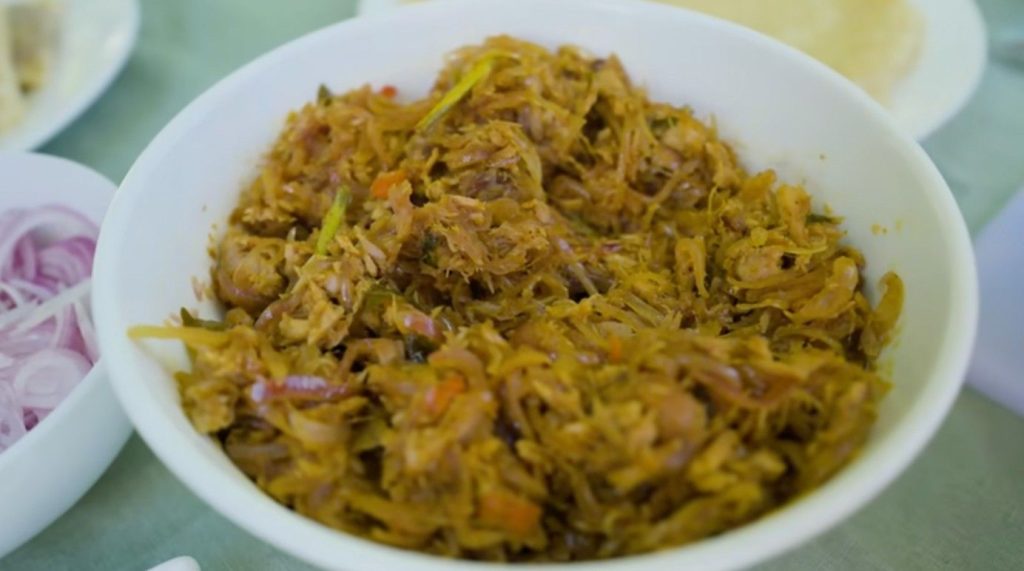
Bajiya pops up everywhere as a quick bite. Think of something like a samossa if you’re used to Western snacks – but really, that doesn’t quite capture it. Tuna blends with onion, fresh curry leaves, a dash of curry powder, then gets spiced with black pepper before being tucked into dough. After frying, the outside turns golden, crackling at the lightest touch. Inside stays tender, almost juicy. Onions dissolve into the fish during cooking, warming up the flavour. That leafy hint from the curry leaves? Sharp, green, one of a kind – nothing else tastes quite like it. Right away you notice how crisp they taste at Lua Beach Inn. Since these bajiya spend only moments in hot oil, timing makes all the difference. What sets them apart isn’t secret spice or rare technique – just heat, skill, then serving fast before texture fades. One fresh from the fryer holds a lightness that vanishes after even thirty minutes sitting out. Made exactly when asked for, each bite delivers what most miss entirely.
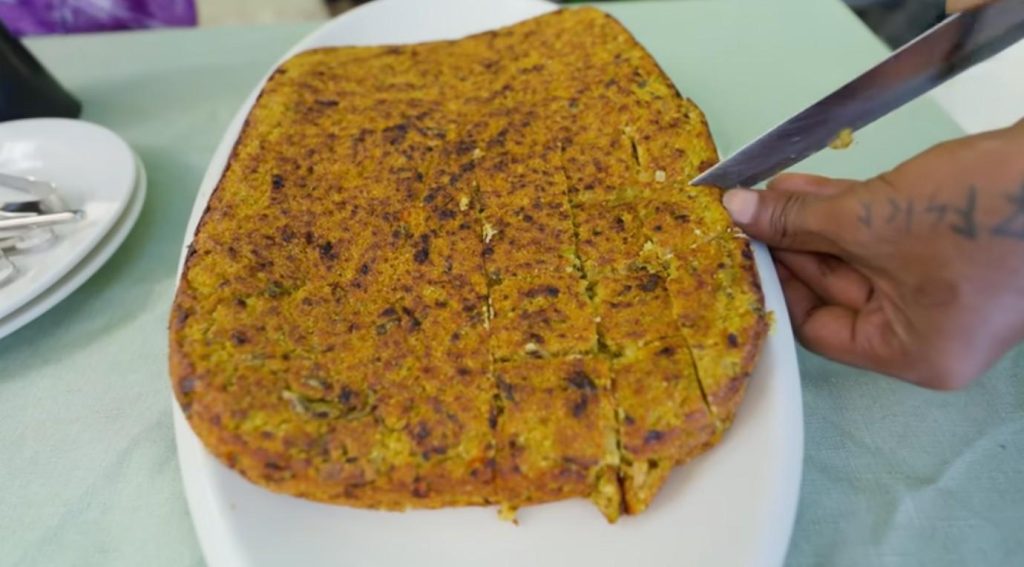
Baked until golden, bokiba stands out as a snack worth slowing down for. Tuna blends with rice, coconut, curry leaf, ginger, chili, followed by a touch of lime juice. Instead of frying, heat transforms it slowly in an oven, shaping a rough outside, firm body inside, layered with scent and substance. Crisp edges form where the mix meets pan, drawing favor among those who know it well. That crunch at the tip tells the whole story without words.
A handful of warm pastries, some crisped in oil, others pulled fresh from the oven – these sit on a napkin by the shore while daylight softens. One bite follows another, slow and unplanned, near waves that barely move. The salt air mixes with crumbs falling onto laps. Moments like this stick around, even when days pass far from the coast.
A Proper Maldivian Rice Meal: How Lunch Actually Works
Lunch arrives on Fulidhoo Island by way of Lua Beach Inn, where meals unfold like quiet stories told through food. Instead of plated servings, dishes come apart – pieces laid out waiting to meet on your plate. One bite might mix tangy greens with grilled root vegetables, while the next folds in something warm from the oven. Choice guides how things blend. Flavour shifts depending on what you pull together. Nothing shouts for attention; it just sits there, ready. Each addition changes the shape of the meal.
On the day described in this guide, the lunch spread included:
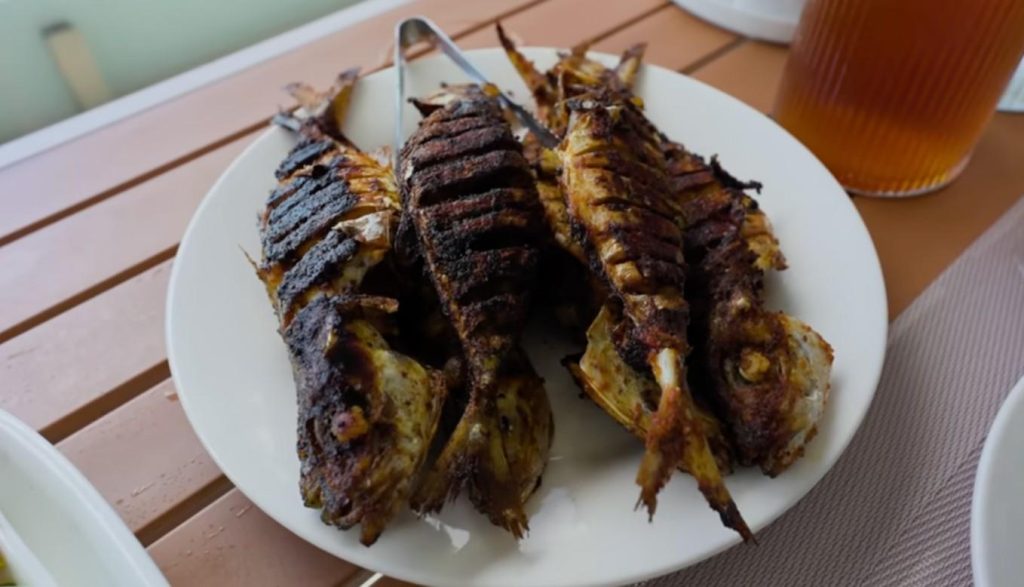
A crisp-skinned fish, cooked hours after it was pulled from the sea – firm white meat stays tender within. This one goes by silver scat around here. Morning sun often finds it beside round flatbreads, though noon heat doesn’t keep folks from serving it just the same.
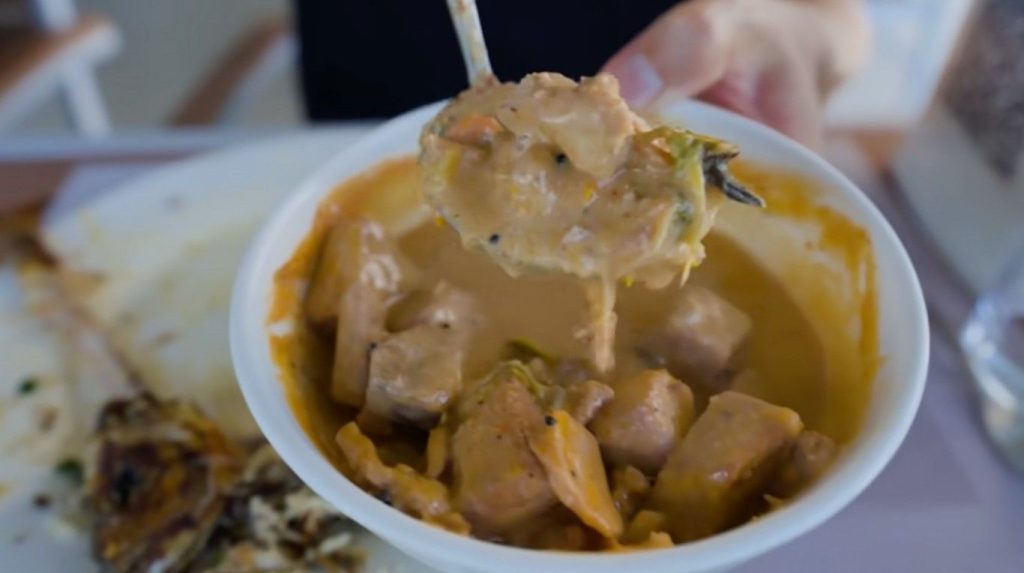
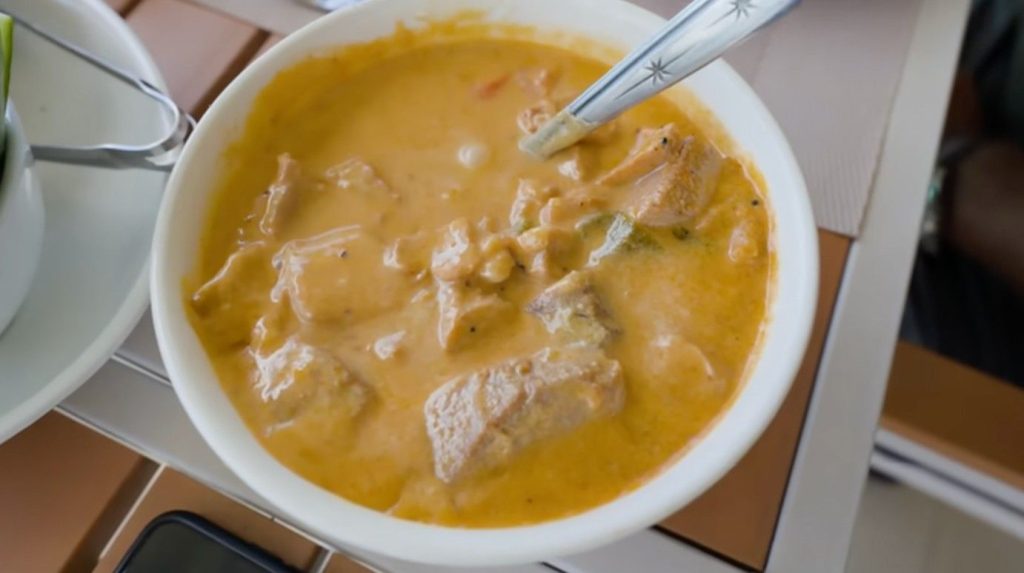
Broth bubbles on the stove, thickened by coconut milk and sparked with spice. Tuna arrives two ways – curry first, then paste beside it. Warmth rises from the pot where richness meets sharpness. Creamy liquid wraps around each flake of fish. Spices wake up the taste without drowning the mild ocean flavor.
Out of the blue, thick riakuru hits the tongue – tuna slow-cooked into something dark, rich, yet soft enough to smear. Though it looks plain, the taste bursts through with sharp depth, lingering longer than expected. Because of how intense it is, just a bit stirred into warm rice twists the whole bite into something deeper. Without warning, each mouthful feels layered – not loud, but impossible to ignore.
That coconut chili paste? It’s roasted coconut meeting chilies – nutty heat with a whisper of smoke. Tossed into rice along with the tuna mixture, it becomes something rare: flavor so balanced, you forget to name each part. This pairing shows up across island kitchens where spice isn’t layered – it sings.
Bursting with goodness, moringa leaves land lightly on the rice. A quiet touch brings earthy brightness along with hidden fuel for the body.
Lime wedges sit nearby, ready to brighten each bite. Sharp zing wakes up the tongue when squeezed just right. Green chilies rest close, thin slices adding fire if chosen. Heat builds only as much as wanted. Acidity shifts with a twist, moment by moment.
Starting with sweet potatoes or taro brings starch into the mix, blending right into the rice. Their softness slips through each bite, smoothing out the rough edges of spicy chilies. A quiet sweetness rises, just enough to calm the fire without stealing attention.
Start with a pile of warm rice. On top goes riakuru – that spicy coconut blend – along with chunks of cooked fish and any curry dishes you like. Instead of keeping things separate, bring it all together using just your fingers. Push and press until each bit of rice soaks up flavors from the mix. What ends up on your palm feels messy at first. Yet every bite tells a different story. Not one ingredient leads. They rise only when tangled. Slow down. This isn’t food for rushing or glancing at between tasks. Give it your eyes, your thoughts – you’ll get more back. Paying close matters here.
The Roshi Combination: Round Two of Lunch
A full Maldivian meal keeps going after rice. When that part ends, out comes the roshi – flavours start layering once more.
Warmth rises from the roshi, crisp at edges yet soft within. Found across Fulidhoo Island, each piece meets the pan just long enough to carry a whisper of smoke. You break it by hand – uneven shards landing where they may. Once scattered, the tuna curry flows over, rich with coconut, seeping slowly into every gap. Liquid pools between fragments while flavors start their quiet blend. Eating begins only after the last bit has soaked what it can.
What stands out is how distinct the meal feels compared to the rice version, even with nearly identical ingredients. Because the roshi pulls in the coconut curry more deeply than rice ever could, it transforms – soft and rich like custard where liquid soaks through, yet slightly firm along denser rims. Since the coconut milk brings silkiness, and the spices add depth, the hearty flatbread carries each bite into something grounding. You finish eating and realize some dishes endure not by chance, but because they speak directly to comfort passed down over time.
Fishing for Octopus: Where the Food Comes From
Out here on Fulidhoo Island, what stands out isn’t just the meal – it’s how close the water is to the fire. By midday, folks follow Mike, a guide born and raised nearby, through shallow waves where coral edges peek above the surface. Into that blue they go, equipped with spears, poles, maybe even bare hands, chasing octopus or whatever swims near. Time slows once hooks drop or blades flash underwater. Back ashore, scales still glisten when flames start licking the grill.
Below the waves near Fulidhoo Island, water spreads like glass. Through it, shapes glide – nurse sharks, stingrays – drifting beneath the shallows. A stretch of bright blue marks the spot where meals come from. Along the rim of the coral, people move slowly, eyes scanning cracks and shadows under rock ledges. Inside those pockets in the reef, an octopus might be hiding.
Besides the octopus hauled up that day, something unusual came along – a fish called Oriental Sweet Lips, marked by bold stripes and oddly thick mouthparts. This catch does not show up on typical seafood counters, so tasting it straight from the coral felt uncommon, almost accidental. Though many never see one alive, let alone on a plate, there it was, pulled from blue water like a surprise.
Out here, pulling supper from waves so clear feels heavier than just eating. Knowing each detail – the spot, the moment – changes the flavor somehow. Not better. Just deeper.
How Maldivian Octopus Is Cooked: The Local Method
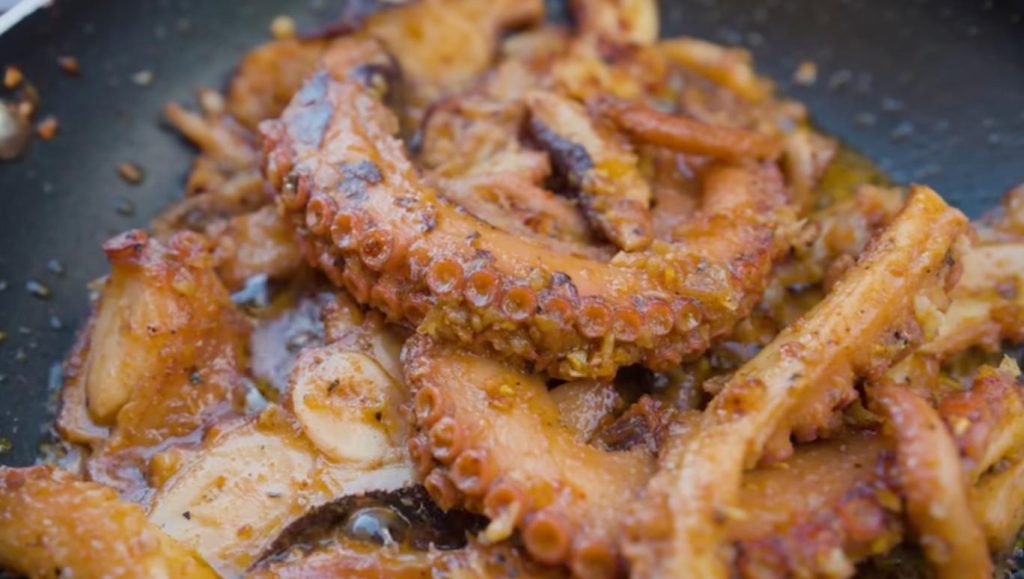
Back at Lua Beach Inn, the octopus from the morning catch got cooked the way locals have always done it. That old-style cooking makes all the difference in how it tastes. Knowing what goes into it explains exactly why it turns out that well.
Start by softening the octopus – boil it, then freeze it overnight if there is enough time. The heat loosens tight muscle tissue; meanwhile, ice changes the cell makeup so the meat turns softer. A traditional approach seen among coastal residents involves striking the creature on rocks at shore to begin breaking it down prior to heating, yet for visitors staying in small seaside lodgings, simmering followed by freezing remains the usual path.
After softening, pieces are sliced from the body while leaving most tentacles whole – appearance matters here. Roasted curry paste mixes with salt, pepper, and plenty of chilli flakes to form the coating. Not just sitting on top, the spices seep deep as time passes. That slow soak builds a core taste able to withstand high cooking temperatures.
A sizzling skillet waits, oil shimmering under flame. Onions tumble in, softening slowly into sweet perfume. Marinated octopus follows, slipping between rings of translucent white. Heat kisses the surface, drawing out deep bronze along the edges. Caramelised drips cling where spice meets fire. Each bite yields easily, never rubbery, packed through and through with savour. Char lingers at the tips, proof of fierce contact. Inside stays supple, built on layers soaked long before the flame ever touched.
What happens when you eat it? Nothing less than outstanding. Right on point is the texture – something many miss with octopus, but not here. Giving way easily, it takes in every bit of the marinade’s taste. A slow-building heat from the chili shows up at the end, gentle instead of sharp.
The Oriental Sweet Lips: A Fish Unlike Any Other
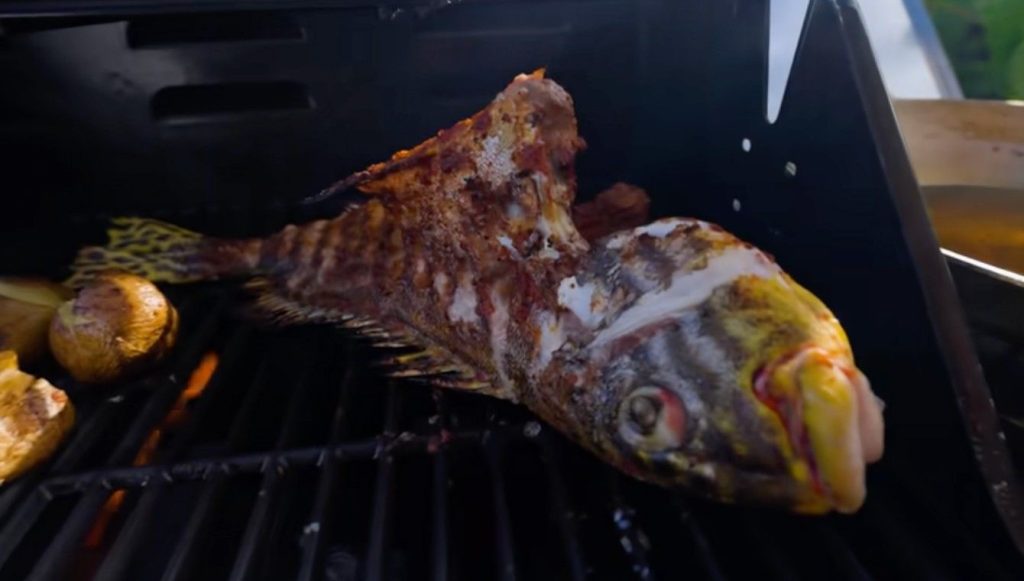
A sudden burst of charred sweetness comes from the fish, cooked next to the tender tentacles pulled fresh that morning. Each bite shifts between soft give and crisp edge, shaped by fire and sea alike.
Out here, they press spicy Maldivian paste deep into the fish – worked through the cuts scored along its sides so every part catches flavor. Fire roars underneath as it cooks, blackening the skin while holding tenderness within. Slice open, and instead of breaking apart like typical white fish, it resists slightly, thick and solid like land animal muscle. The taste? Bright and mild from coral waters, sharpened gently by what clings to it – not buried under spice, just lifted.
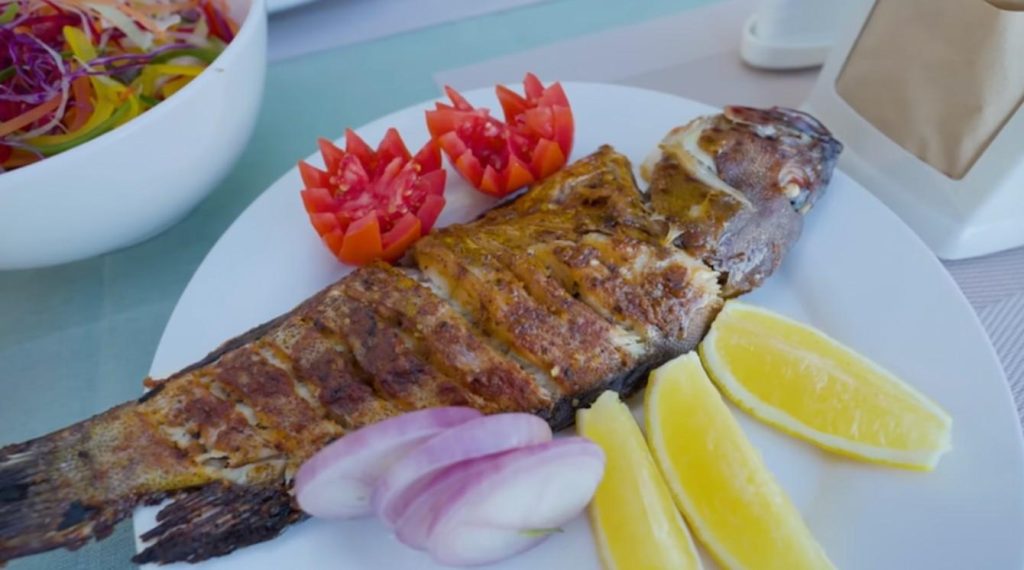
Wrapped in foil, then grilled – the grouper from that extra catch keeps every drop of juice inside. This fish stands out in the sea’s lineup, its soft layers staying intact thanks to the gentle steam trap of aluminum. While sweet lips bring firmness and a satisfying chew, here the grouper leans into silkiness, unfolding deeper tastes with each bite. Cooked slow under radiant heat, its flavor blooms quiet but full.
Out here, just after noon heat fades, one catch sizzles next to another over open flame near the shore. Each bite tells how much comes from a single line dropped into coral waters.
Lua Beach Inn: The Heart of the Fulidhoo Island Experience
Tucked away on Fulidhoo Island, Lua Beach Inn runs quietly under the radar despite being exactly the sort of spot most travelers claim to seek. Friendly faces greet you like neighbors because hospitality here grows naturally from years of island life. Meals unfold slowly using recipes passed down through tides and seasons. What stands out isn’t polished decor but real talk over homegrown cassava stew. You’ll find staff pointing out hidden coves between sips of coconut water – because they’ve paddled them themselves. Recognition lags behind quality by a long stretch.
Out here at Lua Beach Inn, moments feel shaped just for you – different from the usual crowd-heavy stays in the Maldives. Each dish arrives fresh, built around fish pulled from the water hours before. Instead of silent service, cooks talk through their choices, sharing roots behind each method and flavor. Not only do they prepare meals, but they weave in stories about island traditions and daily rhythms by the shore. Even small things – the morning boat trips, quick bites shown on sand-dusted decks, shared lunches under woven shade – link together like chapters. Nothing stands alone. Everything adds up to something whole.
Out back, a path opens straight onto the shore where stingrays drift like shadows near land. Not far off, people walk barefoot on warm sand – unnoticed by creatures who’ve seen generations pass. Movement slows here, as if time dips into the water too. Close enough to touch, the rays slip past sunbathers without pause, part of the rhythm, not apart from it.
Start exploring the real rhythm of island life at Lua Beach Inn, where guests step away from tourist bubbles into something genuine. Instead of walled resorts, visitors find themselves woven into daily rhythms shaped by tides and traditions. This place does not hide behind luxury facades but opens doors to unfiltered moments under sunlit skies. Rather than manufactured charm, it offers quiet mornings on weathered docks, conversations with fishermen mending nets, walks along untouched shores. Skip staged performances; stay where life unfolds without scripts or schedules.
Practical Tips for Eating Well on Fulidhoo Island
Freshness makes all the difference when it comes to short eats. Picture a bajiya pulled warm from the fryer – hours later, that crisp magic fades fast. At Lua Beach Inn, simply mention you’d like yours cooked just before serving. They always honor such requests willingly.
Start with clean fingers. In Maldives, people mix rice and roshi right on the plate using just their hands. A fork leaves everything apart, blocking how tastes should blend. Skip utensils like most islanders do – suddenly each bite feels richer. Taste shifts when you touch your meal first.
That brownish spread might seem unimpressive at first glance – just a thick lump in a tiny dish among the rest. Yet wait before passing judgment. Hidden inside that modest texture lies a taste central to meals across the Maldives. Blend a spoon into warm rice. Suddenly, flavors shift in ways words barely capture till tasted.
Start with the fishing trip. What happens next sticks with you – pulling an octopus from the reef, then tasting it smoked over fire before the day ends. This moment shifts how you see what’s on your fork.
Midday brings the ferry close. When timing works, reaching Fulidhoo Island around then means food is warm and ready. Meals appear fresh because ovens run often near this hour.
Under the shade of a coastal tree, find the Jolie waiting. This classic Maldivian swing dangles freely, tied to branches close to shore. At Fulidhoo Island, one hangs just above sand, facing open water without anything in between. Not food, nor words, can match what it offers. Just sit – everything else fades behind stillness.
Why Fulidhoo Island Belongs on Every Serious Maldives Itinerary
Out past the waves, those stilted huts drape across turquoise like scattered matchsticks. Luxury here means silence, plus salt air thick enough to taste by midmorning. Most come not to explore but to vanish into soft towels and slow sunsets. The islands stay blurry around the edges – seen from a lounge chair, never up close. Few places do seclusion quite so completely, turning guests into creatures of shade and still water.
Here, welcome isn’t polished – it just shows up, real and unpracticed. Meals aren’t arranged for visitors; they’re what families eat when no one’s watching. Recipes stay unchanged, passed down like heirlooms, cooked the old way because changing them wouldn’t feel right. This isn’t a show put on for guests. For a short while, you live inside the rhythm instead.
Out past the shallow water where stingrays glide, an octopus lands on the table just hours after capture. Riakuru pressed into rice using only fingers. Bajiya fished from bubbling oil near dusk. Each moment builds something deeper – a version of the Maldives richer than any glossy pamphlet dares reveal.
Fulidhoo Island sits still, tiny under wide skies. Silence lives here more than noise. No cars roll across its paths, no clubs pulse after dark, no glossy pools framed by cocktail menus. Instead, things are what they seem – real without trying. These days, being real doesn’t happen often. That alone makes it feel like something valuable.
Final Thoughts
One morning on Fulidhoo Island doesn’t follow schedules. Instead, it moves with the rhythm of fishing boats returning at low tide. Meals come from whatever swam into nets overnight. The recipes haven’t changed in generations – simple fire, coconut, lime. As dusk slips across the lagoon, you’re swinging in a woven hammock, watching colors shift on wet sand. Suddenly, through quiet moments like these, the real Maldives reveals itself – not in postcards, but here.
Food ties everything into one loose knot. Each meal – morning mackerel fried crisp, bean fritters passed around at dusk, octopus charred over open flame as daylight fades – points straight to the ground beneath your feet, to the faces shaping life here. This is how eating while moving should feel. A quiet reveal of what a place truly holds.
Fulidhoo Island whispers something lovely. A quiet moment there shows what matters.
Read More
- Maldives Without a Resort: How to Travel for $49/Day, The Secret Most Tourists Miss
- Maldives on a Budget: 6 Days, 5 Nights for Under $100 Per Person (2026 Guide)
- How to Travel the Maldives on Budget: Complete Local Island Travel Guide with Prices, Transport & Island Tips
- Conrad Maldives Muraka Review: The World’s Most Expensive Underwater Hotel Stay ($18,000 Per Night)