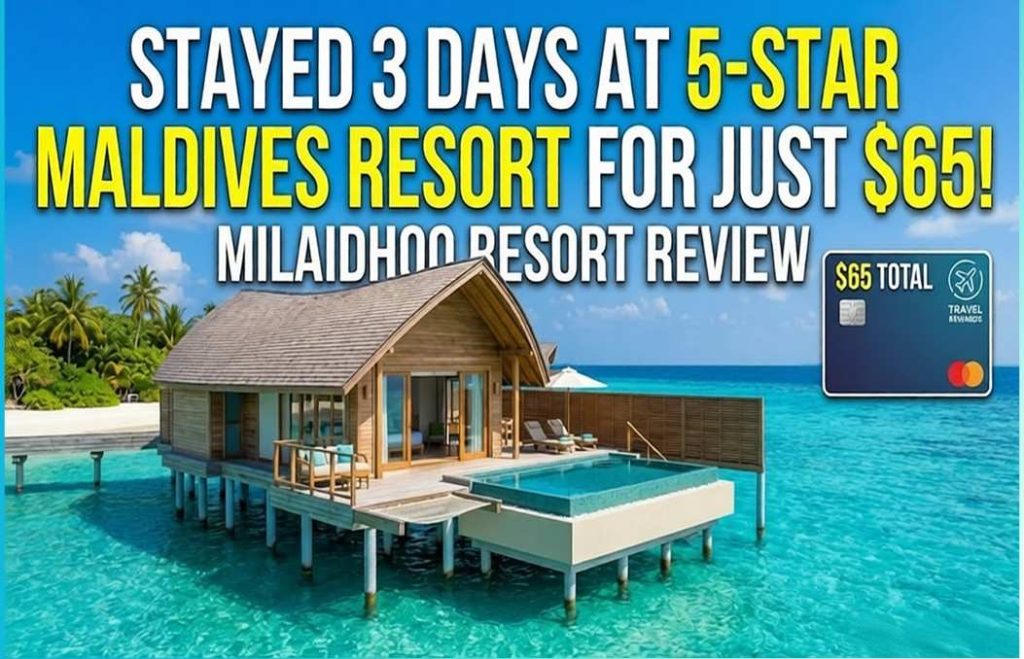
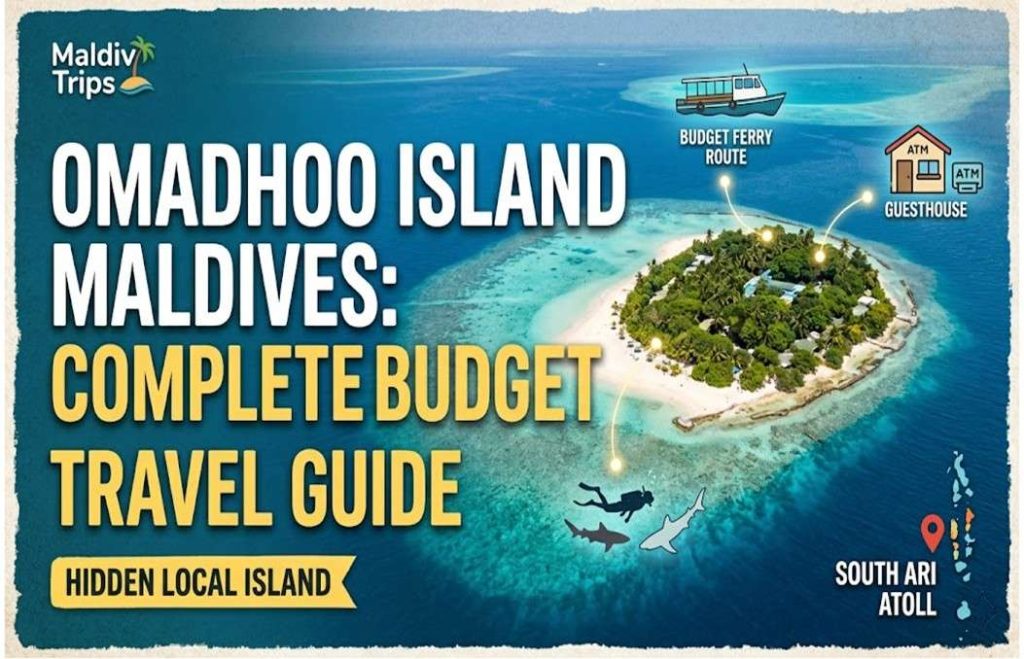
There is hardly any place in the world which can be so quiet and easy to visit as the Maldives. The over water villas, the lagoons which are so clear that you can see the bottom of them, the kind of calmness that causes you to lose all idea of what day of the week it is. It is the kind of destination that makes it to the travel wish-lists and spends years at it until one finally makes the decision to go.
Here this is what those photographs never tell you. The Maldives is a Muslim nation where the Islamic law prevails, and it functions under a set of rules that are literally dissimilar with the majority of other beach destinations in the world. Whole segments of the country are prohibited against alcohol. There are fines in case of dress code. Some of them will be seized upon landing. And when you are travelling in Ramadan, the experience on a local Island is not what you would like it to be.
10 Things Every Traveller Must Know Before Visiting
One of the most serious things to do before you book your trip is to plan your dream vacation with the help of a full Maldives Travel Guide. The Maldives can be regarded as a utopia of the tropical world, with its overwater villas, the crystal-clear lagoon, and white sandy beaches, and calm atmosphere of the islands. However, even more than the idyllic scenery, there are numerous essential guidelines, cultural signs, and specifics of travelling, all of which must be learned by every traveller beforehand.
The Maldives may feel quite different to the first time visitors of the beach destinations. It is a Muslim nation with strict laws and local traditions peculiar to this country that have a direct influence on your traveling experience. Alcohol ban on local islands, low profile dress code, not to use this or that, not to take in the airport, and general rules of behavior of people involve unawareness of the regulations and lead to unwarranted stress, fines or even the seizure of your things during the airport.
The Maldives Travel Guide is specifically tailored to the first time traveller who intends on avoiding the mistake of doing it incorrectly and rather plans his/her trip correctly. The decision between a local island and a private resort island is one of the largest decisions that you will make. Although resorts are luxurious, free and convenient, the local islands are cheaper and more cultural with other rules and restrictions. The distinction between these two choices is the main thing you need to know to plan your trip to Maldives depending on your financial means and expectations.
Besides that, there are some practical tips about traveling, which can really make a significant difference in your whole experience. Being aware of the visa procedure, entry procedures, and forms that are required to be submitted before arrival will save time at the airport. Knowing the money in the Maldives and when to pay by cash or card can assist in preventing problems with money on the smaller islands. Knowing the environmental regulations like protecting reefs and bans on plastic will make sure that you are able to travel well whilst at the same time enjoying the natural beauty of the island.
The tropical weather is another significant aspect that is usually not taken seriously by travellers. Maldives is close to the equator hence there is intense sun exposure all round the year. During cloudy days, one can easily be sunburned unless he or she has some sun protection. Bringing along the necessary items such as reefsafe sunscreen, light clothes and travel products will make you feel comfortable on your trip.
This guide has it all regardless of whether you are planning a luxury honeymoon, a low cost island holiday or your first overseas beach vacation. Whether it is the laws and cultural etiquette, booking tips, budgeting, and the choice of the island, these 10 essential Maldives travel tips will allow you to plan better, prevent mistakes, and have a smooth and stress-free time once you have arrived.
Quick Summary: At a Glance
- Most nationalities are given free 30-day visa on arrival and can be extended to 90 days.
- In the local islands, alcohol is prohibited entirely and it can only be served in licensed resort privately.
- Local Islands have dress codes that mandate covering of shoulders and knees.
- Vaping devices have been completely prohibited since November of 2024.
- High season: November- April.
- 4-12 months ahead of time depending on the season.
- Keep cash and Visa/Mastercard.
- Any kind of open expression of affection is inappropriate and may draw policing force.
- It is highly recommended that the sunscreen should be SPF 50 or higher and be reef-safe.
1. Visa and Entry: Guaranty Easy
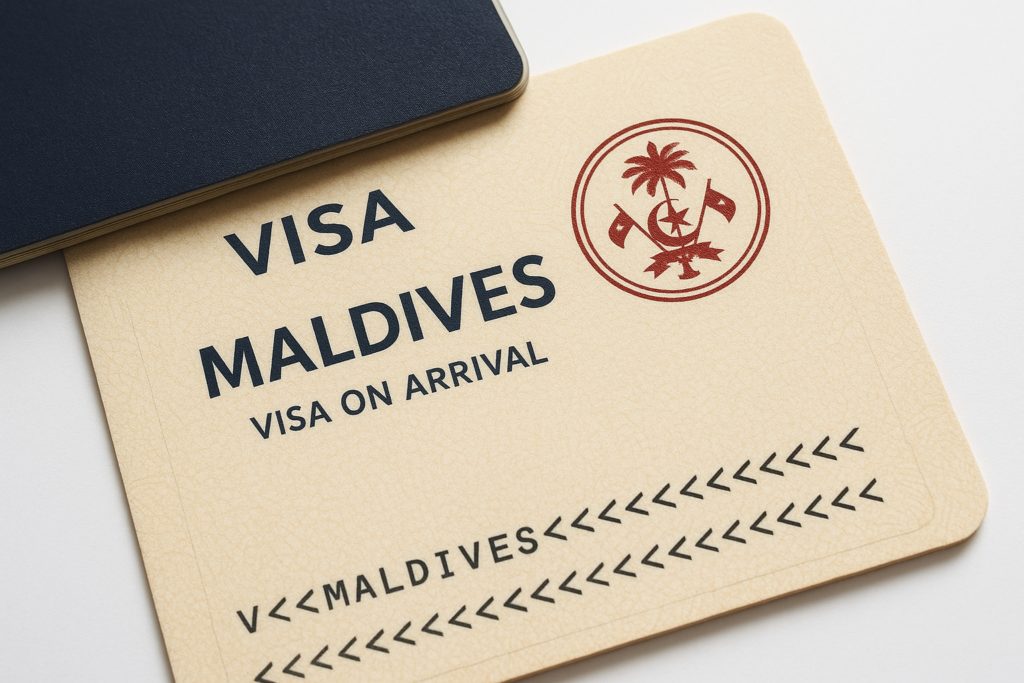
The best thing is that the Maldives is amongst the less difficult locations in terms of entry regulations. Majority of the nationalities are not required to obtain a visa prior to travelling. Although entering Velana International Airport, a free 30 days visa is given, which can be extended to 90 days in case of any personal choice to stay longer.
With that said, before you board your flight, you have a number of conditions to fulfill. The passport should also have a remaining validity of at least one month. You will also require showing a confirmed ticket back home and document of having hotel or a resort accommodation or as an alternative, showing that you have enough money to stay. These documents occur at the point of immigration and, therefore, preparation of your documents will save you time and stress on being at the reception.
A step that most first time visitors to this country forget altogether: you must fill in the IMUGA Traveller Declaration form online within 96 hours of your flight. It is an obligatory online questionnaire. There is no denying that it is better to skip it, but it is still much faster to do it ahead of time so that they could be ready to visit. Do it the night before you are flying and you will not even need to think of it.
In case you are a passenger with a travel history of a country with Yellow Fever epidemics, you will also be required to carry a valid Yellow Fever vaccination certificate. Before travelling, ensure that this is the case in your country of departure.
Tips and Tricks: Complete the IMUGA Traveller Declaration as soon as you fall within the 96-hour period of travelling. Put an alarm on your phone, the night before your departure day.
2. Alcohol Regulations: What You Can and Can’t
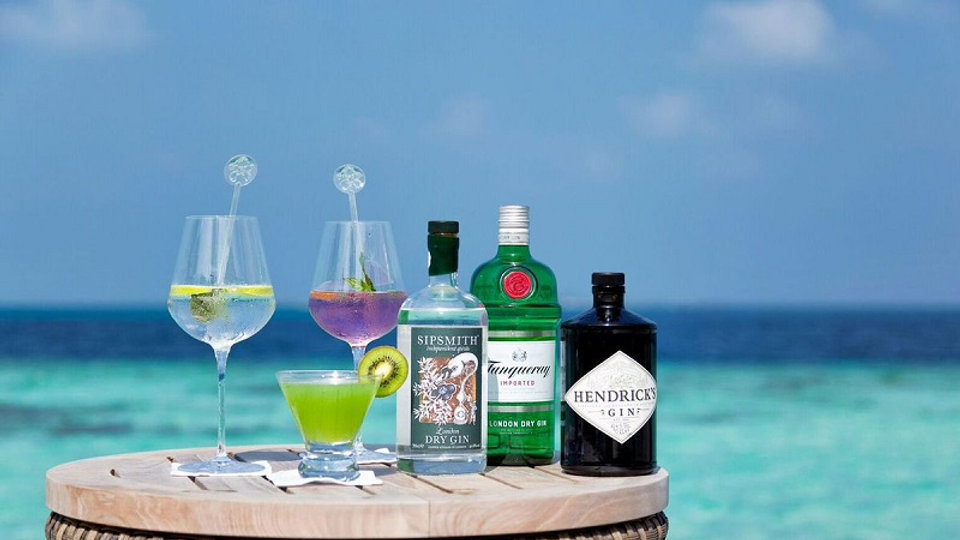
This is what begs the most queries to first-time visitors, and it can become a subject of actual consequences in case one gets it wrong. The regulations are also very straightforward when you know the geography of the Maldives operation.
The Maldives is a Muslim state and alcohol is not permitted on the local islands at all. The inhabited islands are the local islands on which the Maldivian citizens reside and conduct their daily activities. In these islands, alcohol is prohibited to purchase, sell, or even consume even at the beaches, guesthouses, restaurants and in the streets. It is not a guideline, it is the law and going against it may lead to fines or the seizure of the alcohol.
It is also illegal to import alcohol into the country. It implies that in case you buy duty-free beverages at an overseas airport during your layover, the border guards at the Velana International Airport are going to inspect your baggage and confiscate any alcohol. You may request it to be stored and take it back when you move out of the country, but you may not carry it to the Maldives by all means.
Alcohol can only be served in the licensed islands used as resort by the local people. These are totally different islands in which Maldivian local inhabitants reside which are meant solely to serve tourists only. The import license of resorts on these islands allows them to serve alcohol freely without restriction usually as part of an all-inclusive package. Then considering drinking in your holiday a private resort is the place where you have to be.
What About Floating Bars?
On the outskirts of some of the tourist local islands like Maafushi and Dhiffushi, you can find ships at anchor with boats that serve alcohol. Some of them are referred to as floating bars and tourists staying at the local islands have access to a boat ride which they can take out to have a drink on the water. This is a viable solution, which is designed precisely to the travellers who desire to have a drink but not to break local laws on land. It should be noted, however, that any alcohol that is brought back on any of these boats is against the law and no matter the small amount of it, the same is considered the law.
Noticeable: Alcohol bought in a floating bar should remain on the water. It is still a crime under the Maldivian law to carry it to a local island, even in a bag.
3. Local Island vs Private Resort: The Choice That Dictates Your whole vacation
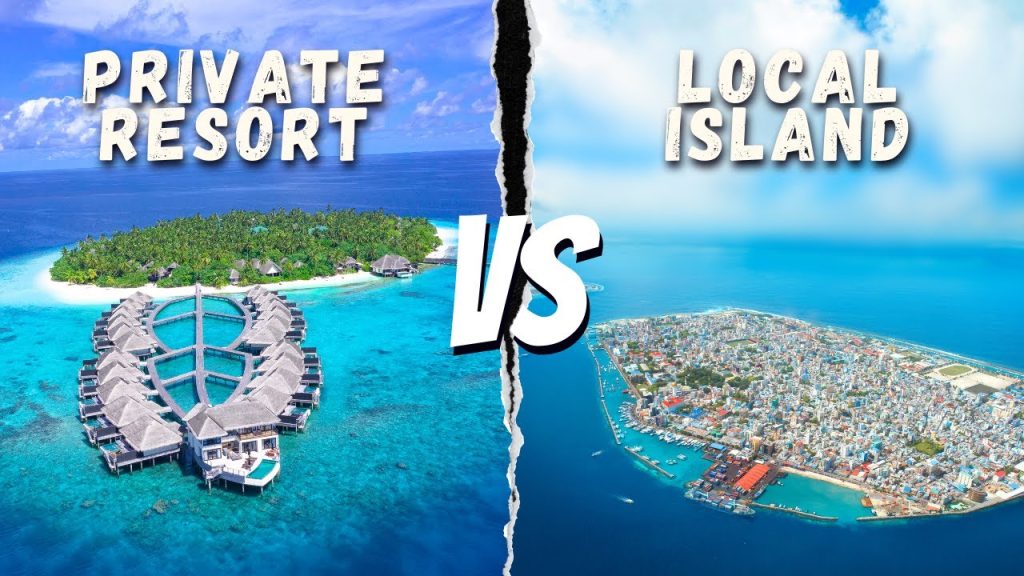
This is one decision you have to make before you book anything. The Maldives is not one and the same destination. It is two quite different experiences based on the place of stay and the difference between them is large in terms of price, liberty, culture and the way of life.
| Aspect | Private Resort Island | Local Island |
|---|---|---|
| Cost | Premium, high-end villas | Budget-friendly guesthouses |
| Alcohol | Freely available | Strictly prohibited |
| Dress Code | Relaxed, beachwear anywhere on island | Modest clothing required outside bikini beaches |
| Culture | Isolated, entirely tourist-focused | Authentic daily Maldivian life |
| Green Tax | USD 6 per day | USD 3 per day (small guesthouses) |
| Best For | Luxury, privacy, no restrictions | Budget travel, cultural experience |
The islands of the private resorts are fully detached with the indigenous people. Anything that you do there, be it what you wear, what you eat and what you consume, are all tailored to the comfort of the tourists with very few limitations. The trade-off is price. These locations are truly costly and a meal, field trips, and alcohol can significantly increase your wallet unless you purchase a well-organized all-inclusive tour.
The local islands can offer the things that no resort can offer you: the real Maldivian life. You will be staying in guesthouses, dining in local restaurants, strolling in real communities and spending only a fraction of the cost of resort. You are however a guest in the house of another individual and therefore you must follow the cultural rules the same way that everyone else on the island follows them.
The Day Pass Option
It has a compromise that most affordable travellers employ in the quest to have the best of both worlds. You are located on a local island, however, and want to enjoy a private resort on a day, there are many resorts with a Day Pass costing approximately USD 100 to USD 150. This usually includes access to the beach and the pool, lunch and in most instances unlimited drinks during the day. It is a good way to enjoy the resort life without having to make a full commitment to the resort rates.
4. Dress Code: It Depends on the Place of Your Location
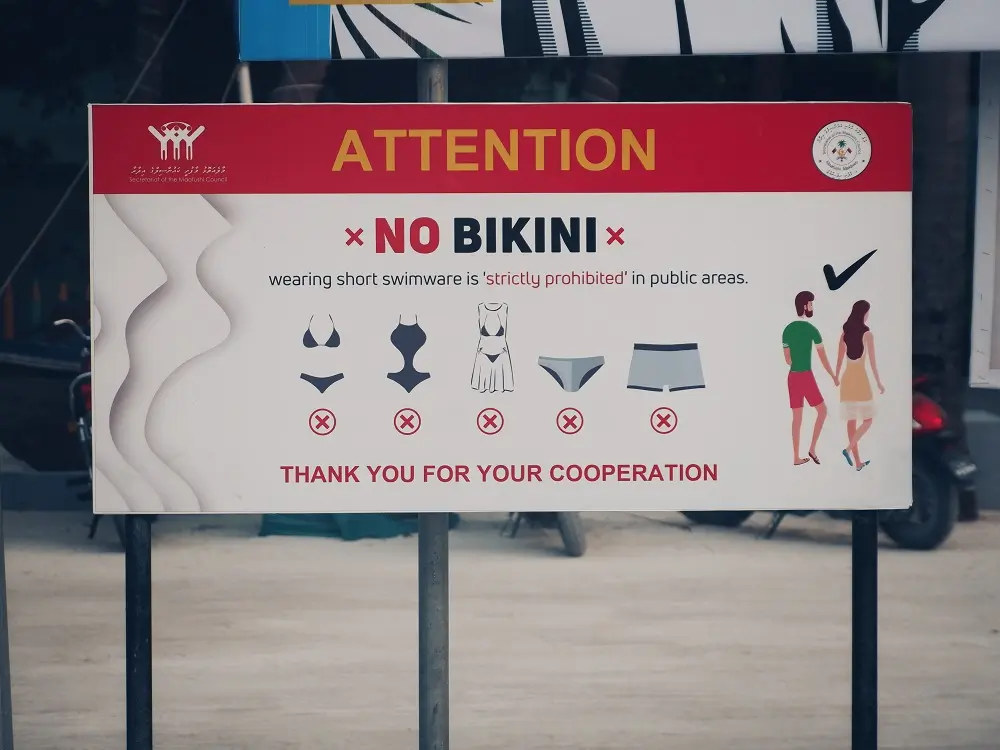
One of the spheres about which dress code in the Maldives is the wrong choice, which can lead to a real fine, it is worth being clear about it before packing.
In the resort islands that are privately owned, tourists are not in any way bound by the dress code. Swimwear can be worn at the pools, beaches, restaurants or any other place on the resort facilities. This is the habitat that these islands are suited to.
The rules are different and they are observed on the local islands. Whenever you walk around any part of the island or visit the shops, sit at the cafe, or even flaunt around the community, you are supposed to cover your shoulders and knees at least. Among women, tight or extremely revealing clothes are not acceptable. Men are to be dressed in t-shirt and knee-long shorts. This is not a hint that is politely given to the locals that they want you to follow. It is a legal and cultural requirement.
There are a lot of local islands with a special spot known as Bikini Beach where a certain part of the beach is reserved exclusively to tourists in which they are allowed to wear swimwear. Beyond this well-defined zone, there is a fine that can be fined in wearing a bikini or swimwear on the overall beach or in town. Upon landing on a local island, place an enquiry to your guesthouse as to the location of the bikini beach to make sure you know where the limits are.
One such place in order to get this right is mosques. One should not go to a mosque without being invited. You have to be completely covered with your body, and it is both the men and women who are subject to this rule in case they are allowed to enter. The code of decency demanded within a mosque is much tougher than even the overall local island regulations.
5. Cultural Behaviour and Social Etiquette
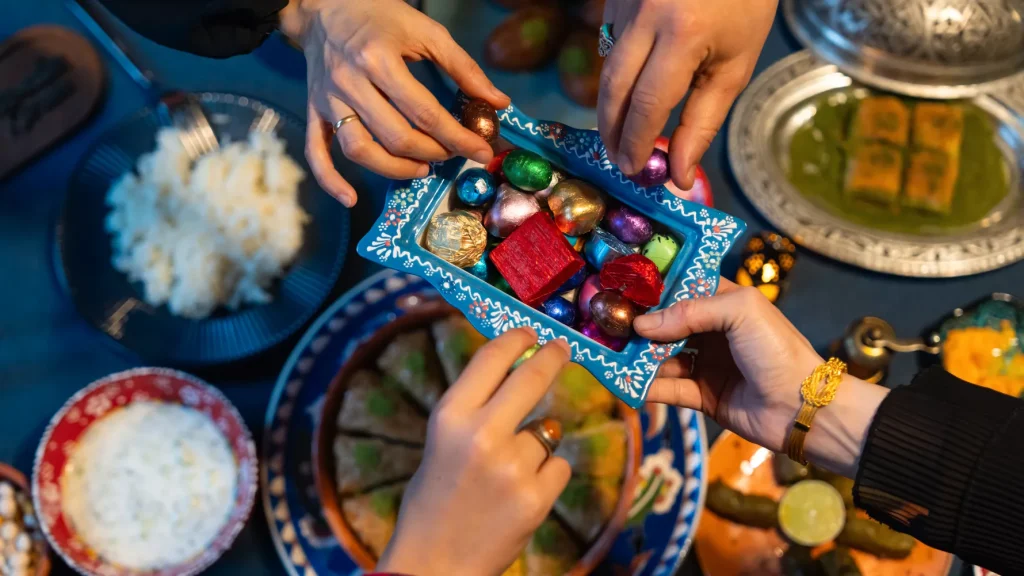
Other than dress code and alcohol, there are larger cultural expectations within the Maldives that one must know about before traveling. These are not printed on airport signs, but these are things of practice, particularly on local islands.
Public Demonstrations of Love.
Couples should not be caught kissing or hugging or even any physical intimacy in any open places that can be seen in the Maldivian culture and cannot be accepted as a tourist exception. This is in the case of local islands and in generally in the public areas. Loving couples have been reported to draw the police attention by being affectionate in the streets and that is a scenario that no one would want to be during a vacation. Another setting is private resort islands but when in a local island or a communal place, contain physical love.
Ramadan
There are other expectations in local islands in particular in case you visit during Ramadan. Eating, drinking or smoking in front of the local residents is regarded as disrespectful and in certain cases it may be prohibited during the day. This does not imply that you should not be able to eat throughout the day but you need to be conscious of how and where you eat. Local restaurants and guesthouses will in most cases recommend to you what is right. Resort Islands that are privately owned are much less strict on Ramadan since they are tourist-only establishments.
Mosques and Prayer Times
Mosques are not just passive worshiping centres and a person should not enter without seeking an invitation. When you are close to a mosque during prayer time, ensure that you are considerate of the amount of noise that you make and do not stand right at the door. Prayer takes place in five sessions per day and is also a significant local island daily ritual.
6. Prohibited Items: What is Customs Confiscated
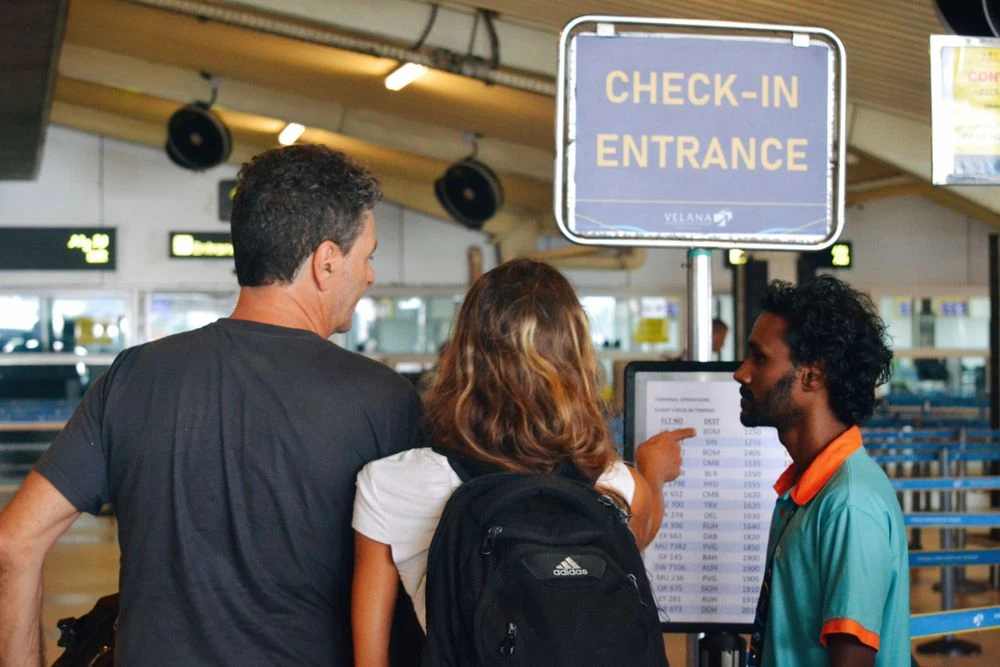
Maldives customs authority is stringent and there are a few things that they will steal the minute they trace them in your luggage. Some of them are foreseeable, others take individuals off their guard.
The importation of alcohol is prohibited at all the times including the duty-free purchases during a layover. Food products of pork and pork derivatives are totally prohibited. Religious texts employed in practice or promotion of other religions other than Islam are outlawed either in their published or promotional version. People who carry their own religious object like a Bible to use privately are usually allowed to carry it, although it must not be publicly displayed and they should not be brought in to preach and sell.
Pornography content and adult toys are a taboo and anyone caught trying to access such content faces a serious legal penalty. Some of the worst penalties in the country are associated with drugs. The Maldives drug trafficking produces life imprisonment and even death penalty. It does not allow grey area or leniency on tourists.
Vaping devices are a more recent development on the list of prohibitions. Since November 2024, e-cigarettes, vaping devices, and all other products associated with these are wholly prohibited to be imported, sold, and used in the Maldives. Even personal use will see the confiscation of vaping device by customs. It is one of the changes that most travellers have no idea about, meaning that in case you vape, you must leave the gadget at home.
Vaping prohibition comes into place November 2024: The importation of any vaping device into the Maldives is now forbidden. It will be seized in the airport by customs and tourists will not be an exception to this.
7. Plastic Bags, Environment Policies and Sea Life
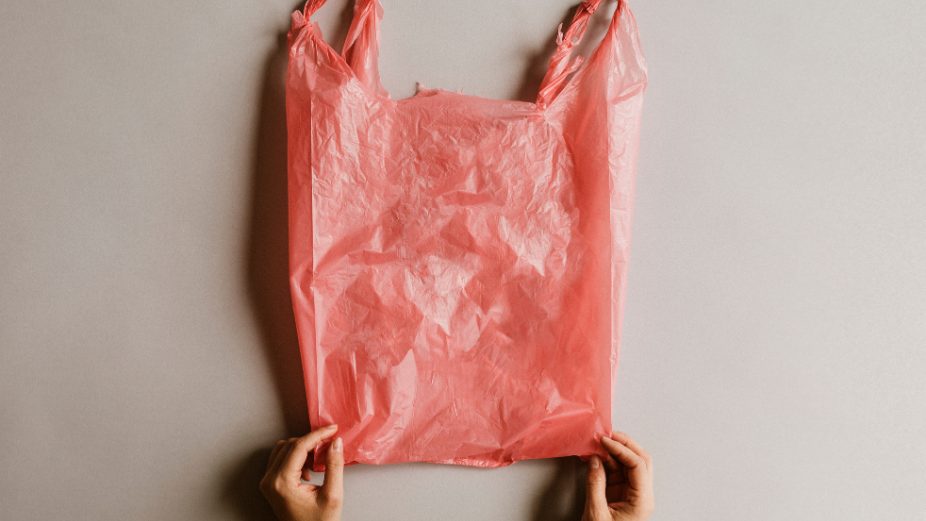
This is because the Maldives has been and is still in the process of instating a gradual ban on single-use plastics as part of the environmental protection policy and tourists should abide by these restrictions during their tour.
Since 2021, plastic shopping bags, less than 30×30 cm, are banned. Plastic straws, single use cutlery, foam packaging, and small single use bottles will also be included in the ban. The future limitation will most likely be over to 500ml or even 1-litre water bottle made of plastic. The lesson to be learned is simple, carry a re-usable water bottle and a re-usable bag at home. This will save you some money and leave you on the good side of the regulations.
At the sea side, the regulations are as well strict. It is criminal to destroy corals in the sea, collect shells, or disrupt marine organisms in any manner and is punishable by a lot of money. You should not touch the coral reefs or stand on them when you are snorkelling or diving. Reef-safe sunscreen is not the only environmental suggestion in the Maldives; it is becoming a given fact that the chemical sunscreens with oxybenzone are harmful to coral ecosystems.
The water in the tap in the local islands is not usually safe to drink. Alternatively, bottled or filtered water will be a sure thing whilst staying.
8. Protecting against the sun: No More a Luxury When You are this Close to the Equator
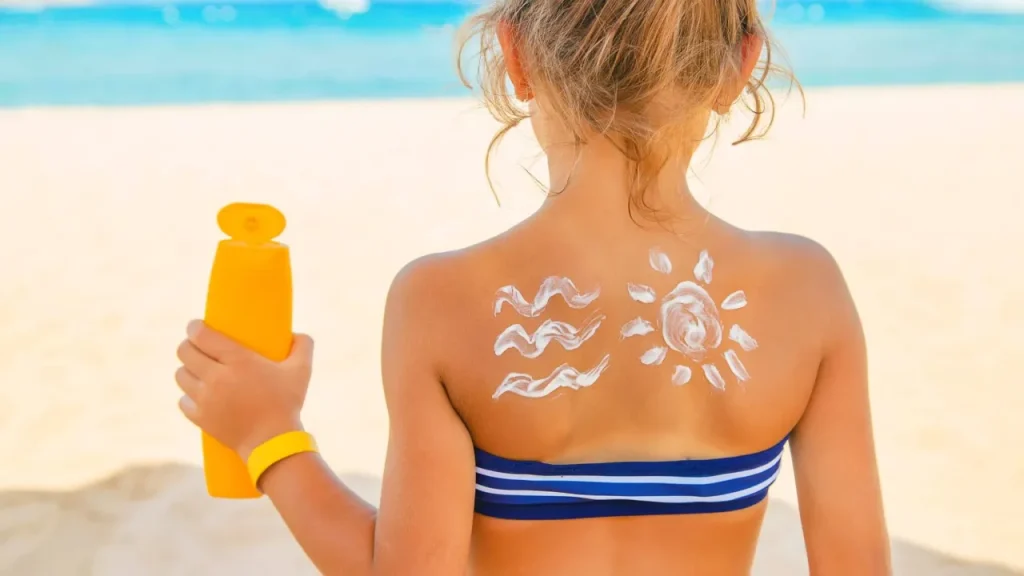
The Maldives is directly above the equator and the UV radiation in this location is significantly higher than that experienced by the majority of the tourists at home. The light of the sun is at close right angles and the white sand as well as the water surface is a reflecting surface that increases the exposure. Even sitting in the shade of a beach umbrella, you may get a serious sunburn.
The sea breeze is what makes this very misleading. The continual light breeze off the water makes one feel cool, which translates that there is no sense of the effect of the sun accumulating on your skin. Most of the visitors only realise the extent to which they have burnt until they are back in their room in the evening.
Cloud cover is of little protection. Cloud cover does not block approximately 80 percent of UV rays thus cloudy days are not safe days as far as sun exposure is concerned. The most active ones are 10 AM to 4 PM and during this period you ought to have less exposure to direct sunlight or you need to ensure that you are well covered.
The necessities: wear an SPF 50 or greater broad-spectrum sunscreen, which is applied 30 minutes prior to sun exposure and re-applied after every two-hour period and after every swim. Use a reef-safe formula with zinc oxide or titanium dioxide as opposed to using a chemical sunscreen not only due to the health of the coral, but because mineral formulas are generally more resistant to high temperature. Full sleeve swimwear or a rash guard is the best protection used in snorkeling. Include a wide hat and quality UV protection sun glasses on your face and eyes.
Purchase sunscreen at home: At the resorts, the prices of sunscreen in the Maldives are vastly higher than what would be at home. Before you go, stock-up, carry more than you imagine you may require.
9. The Cash vs Card: Experts’ Guide to Spending Your Money Wisely
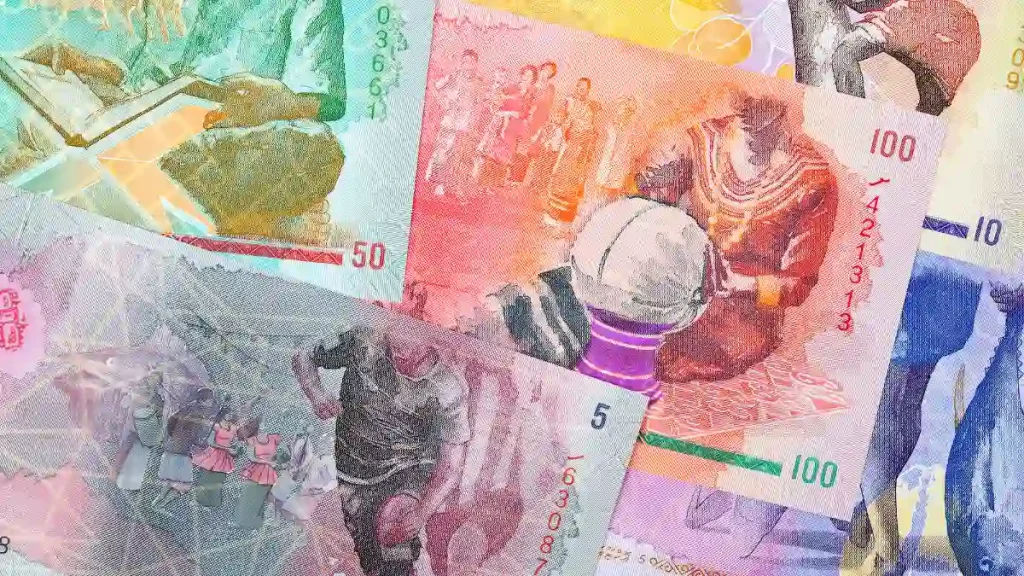
Cash as well as the card play their part in Maldives, and the balance is determined by the place where you are staying and what you are doing.
Visa and Mastercard are commonly used in larger hotels, dive centres and restaurants situated in the tourist regions of the country and will take care of most of your bills. All that is easy to pay with the help of a card is room bills, dining, watersports, excursions, and treatments in the spa. Something to consider: occasionally a card payment might attract a 3 to 5 percent service charge, and therefore, it is worth inquiring before you pay.
The moment you get to a local island, you need cash. Small stores, street retailers, local cafes, ferries, taxis, and souvenir stores do not usually take cards, and several of the neighbouring islands have no ATM whatsoever. Cash is the only way to purchase the tipping, boat rides and informal purchases.
The currency of Maldives is the Maldivian Rufiyaa (MVR) which is official though the US dollar is widely accepted in tourist destinations. In the islands of the resorts, USD is not a problem. On the local islands, it is good to carry a few Rufiyaa to make the minimal purchases at the local markets and take a ride, as not all vendors will provide the clean change in dollars.
Useful Cash Management Hints
Bring fresh and clean USD bills at home. Torn or old notes are often rejected. In the most beneficial case, USD 1, 5, 10, 20 and 50 bills are the most useful. There are ATMs in the airport of Maled and the city of Maled, but in the case of the local islands not in the capital, there are very few or no ATMs. Take out all the bit of cash you require and go to an isolated island. A good rule of thumb that applies to most travellers would be to charge around 70 to 80 percent of the expenses on card and leave the small part of 20 to 30 percent in cash to cover daily expenses and tips.
It is worth considering, in case you can access a multi-currency travel card like Wise. The cards are usually more favorable in terms of their exchange rates as compared to the standard debit and credit cards and ease the burden of carrying large sums of money to buy and sell currencies.
10. Sea Sickness, Local SIM, Tipping Culture and When to Book
An assortment of practical necessities, which do not, however, each of them, require a place on their own account, but which will all perform a significant service to your experience.
Dealing With Sea Sickness on Island Transfers
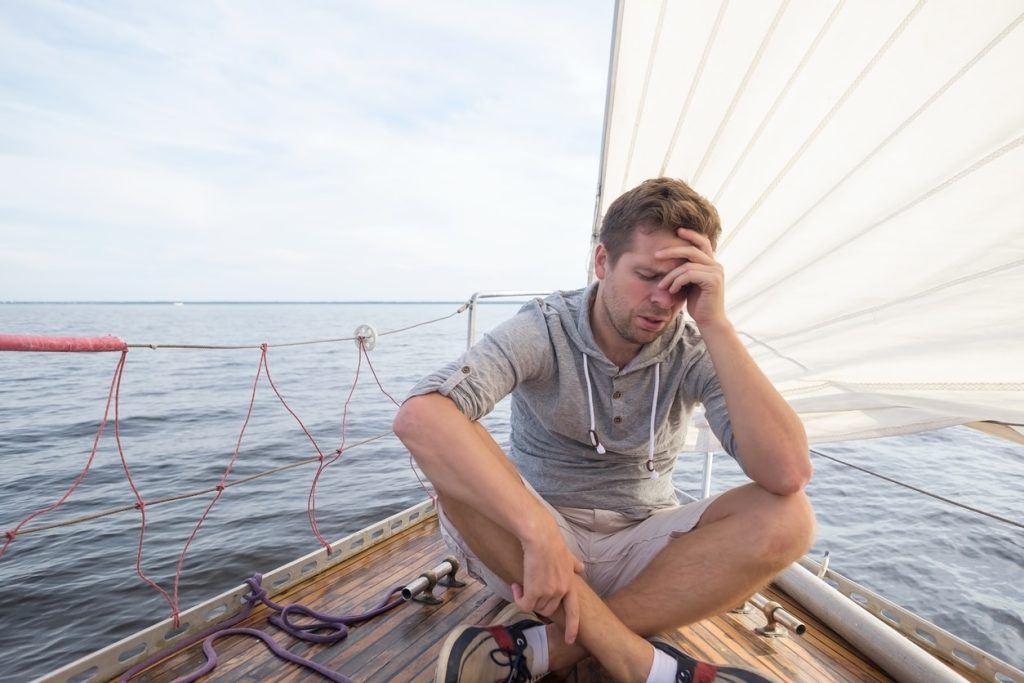
The transfers between islands in the Maldives entail speedboats or conventional dhoni boats, and the open water between atolls may be very rough, especially during the period between May and November when the monsoon season delivers bigger swells. This is one thing you should expect and not wish to have a good time when you are likely to experience motion sickness.
Have a light meal of a dull nature before boarding. It can be in the form of biscuits, bread, or a banana. Eat lightly, avoid spicy and greasy food and avoid alcohol and caffeine before. Have a good night sleep before a lengthy transfer because motion sickness is much more aggravated when one is tired. Common over the counter drugs such as Dramamine or Sturgeron are also generally used by boat commoners in the area although you ought to consult your doctor before using either. In the case it more suits you to be natural, ginger as candy, cap, or tea has a good record of decreasing nausea, and acupressure wristbands are also worth a chance.
In the boat, you are to sit in the middle of the boat where the rocking is least marked. Look towards the horizon, not down the water, your cell phone or anything in the boat. Being near to fresh air is very helpful and therefore, given a choice to sit outside or close to an open window, use it.
Getting a Local SIM Card
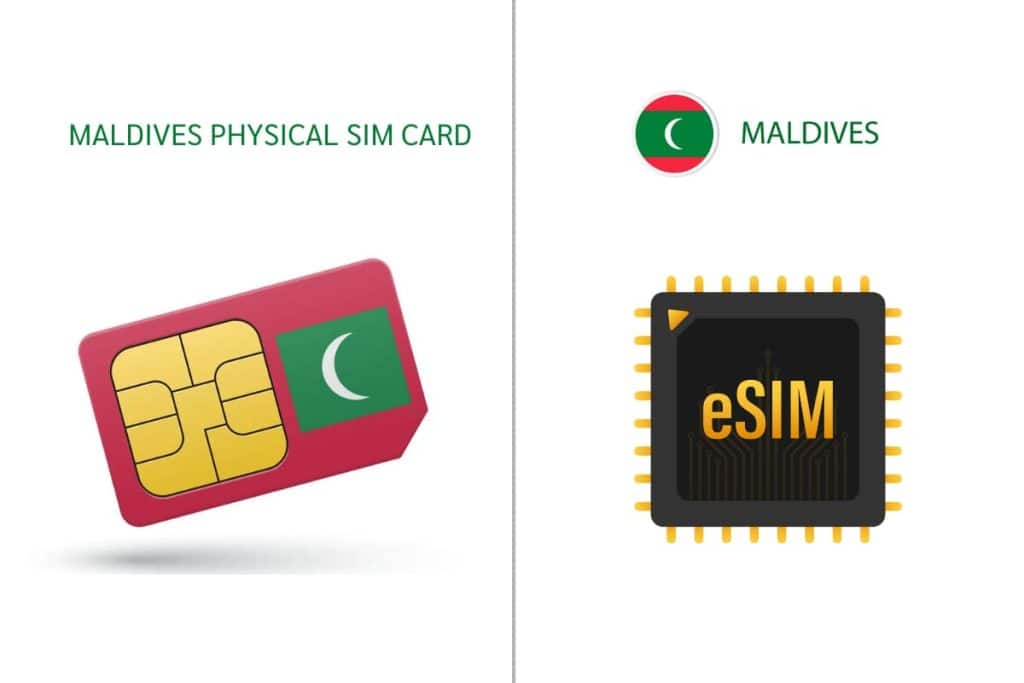
It is highly suggested to purchase a local SIM card upon arrival of the trip that will take more than a few days. These are the two principal operators, Dhiraagu and Ooredoo, and both have counters outside the arrival hall in Velana international airport. They also stay late and work on Fridays and, therefore, no matter in what time your plane arrives, you should get to receive a SIM without any inconveniences.
The packages of either operator get tourists between USD 20 and USD 50 and 7 to 30 days with sufficient data to use on maps, messaging, and social media. To register the SIM you will be required to present your passport. When your phone has eSIM, you can also manage your coverage with such a provider as Airalo prior to your departure home and you avoid a line at the airport.
Tipping Culture
Tipping is not obligatory in the Maldives, but it is actually welcomed. The services charge on most bills in the resorts and hotels is already at 10 to 12.5 percent, which is shared between the staff. Hence the need to put in extra on top is not obligatory. That being said, in case service is truly good, a personal tip is a valuable gesture. To have housekeeping or butler service in a resort, USD 2 to 5 a day is the correct tip to be given a day in day out or USD 20 to 40 at the end of the day or night. In the case of tour guides or boat crew USD 5 to 10 per day or about 10 per cent of tour cost is acceptable. In the case of restaurant and bar employees where service charge has already been paid, a small extra tip is grateful and not mandatory.
In any case, tipping cash and giving it immediately to the person instead of placing it on a table or passing to the reception where it will not be guaranteed that it will get into the right hand will help. The currency of choice when tipping is US dollars, but Rufiyaa currency and euros are also accepted.
What is the Distance to Book in Advance?
This is almost entirely based on the season in which you are travelling. The best season is during the period of December to April, during which the weather is best and the demand is most. In this case, you will need to make your accommodation and flight booking 4-6 months before. In case of the Christmas and New Year season especially, 6 to 9 months in advance is not too much; these seasons are busy early and the prices go skyrocketing as the season nears.
The shoulder season months of April, October and November are usually where the lead time of 2 to 3 months is good enough to get good choices at good prices. During the season, which is between May and September, it is often a rainy season and the sea may be rough but the prices are significantly lower. This is a time when you have more flexibility in terms of availability and the further you plan, the more superior rates and options you have.
Seaplane transfers are one of the things that most first-time visitors would fail to book in advance. Seaplanes are only flown at sunrise and sunset and slots at major routes are in high demand during the high season. Whilst booking your accommodation, be sure to do your transfer not as an after-thought.
A Quick Word on Local Food
When you are staying on a local island then at least once make the effort of trying Mas-huni. It is a traditional Maldivian breakfast served in tuna with grated coconut and served with a flat bread and the dish is one of those that you will be still thinking about many weeks after you have gone home. It is served at local island guesthouses in the mornings, and is one aspect of the Maldives that resort guests would otherwise never have an opportunity to enjoy.
Practically, pork is not available at all on the local islands. It is not served in any restaurant or guesthouse. On the resorts that are privately owned, pork is either found in form or not. This does not happen to the majority of visitors, however, it is worth knowing in case your dieting is something you base on.
Final Thoughts
The Maldives really well lives to the name. The water is that colour. The silence is that complete. When nothing goes wrong, the experience is one of those few trips that you will remember.
The difference between a smooth journey and a stressful one is nearly always preparation. Being aware of the distinction between a local island and a resort prior to making a reservation. You should know the alcohol and dress code before you pack. Arrange the IMUGA declaration and SIM card in order to land. Carrying reef-safe sunscreen and USD before you require it.
None of this is complicated. It only involves having known the right information beforehand, which you have done now. Early booking, culture respecting, reef preserving and go out to experience one of the most truly beautiful places on earth.
Planning your Maldives trip? Write your questions in the comments section. You have to choose between a local island and a resort, cannot simply work out your budget, or you confuse with transfers and a schedule, comment, and we will make you sort out.
See More
- Best Local Islands in Maldives for Budget Travelers 2026 Complete Travel Guide
- Top 10 Luxury Resorts Near Maafushi (No Seaplane Needed) – Complete 2026 Guide
- Top 10 Best Things to Do in Gaafu Dhaalu Atoll – Complete Travel Guide
- Best Things to Do in Addu Atoll Maldives: Diving, Islands, Nature & Local Culture Guide
- Best Luxury Resorts in Addu Atoll Maldives: Features, Prices & Why Stay