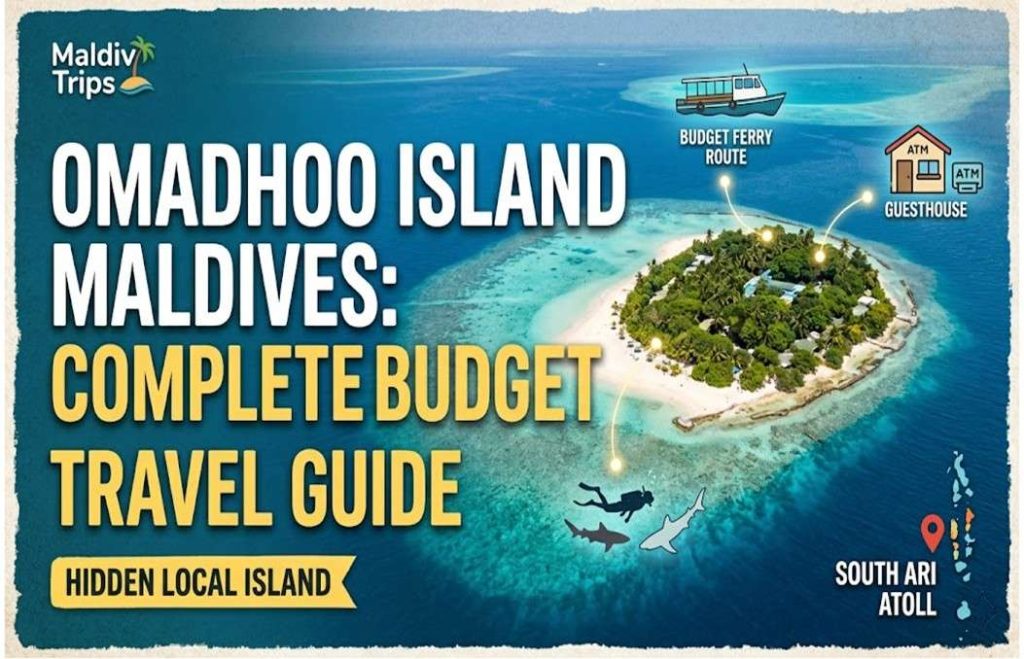
When the name Baa Atoll Maldives is mentioned, one is immediately presented with the images of crystal clear lagoons, colorful coral reefs and the majestic movement of giant manta rays beneath the surface. This unique atoll in the Maldives is not only a luxury holiday destination but a UNESCO Biosphere Reserve that is recognized in almost all parts of the world where environmental conservation and sustainable tourism can be found in perfect balance.
Baa Atoll Travel Guide
Baa Atoll is one of the most amazing places to be maintained in the Maldives as far as you want to explore a destination that is a combination of the natural beauty, the marine biodiversity and sustainable luxury. The Maldives have the first UNESCO Biosphere Reserve known as an atoll, which has so much to offer besides overwater villas and turquoise lagoons. It is a secure marine paradise where conservation and tourism co-exist.
The Baa Atoll is particularly unique in the fact that it has one of the most incredible underwater ecosystem. The area is abound in colorful coral reefs, sea turtles, reef sharks, and one of the greatest wildlife encounters in the globe. In the season, hundreds of manta rays can be seen in Hanifaru Bay and whale sharks can also be seen. This is a natural phenomenon that is rare and thus it makes a simple holiday to be once in a lifetime.
In addition to being home to well-known marine life, the atoll has a plethora of activities that can accommodate all kinds of travelers. The location has snorkeling and diving sites that offer crystal clear visibility and flourishing reef structures where visitors can observe one of the richest underwater ecosystems in the Indian Ocean. Tourist activities such as dolphin watching and sunset tours also bring an additional magic with still waters and yellow clouds forming memorable times.
There is also the element of luxury in the experience in Baa Atoll. Soneva Fushi, Milaidhoo Maldives, Four Seasons Resort Maldives at Landaa Giraavaru, Amilla Maldives and Vakkaru Maldives are the world-famous resorts that provide privacy, comfort and an environmentally friendly lifestyle. There are over water villas, personal pools, the finest spas in the world, personalized service all in the midst of the natural beauty that is not touched.
Simultaneously, Baa Atoll cannot be restricted to high-end travelers only. Dharavandhoo, Kamadhoo, Fulhadhoo, and Thulhaadhoo are local islands where one can have a chance to experience the original Maldivian culture. Traditional lacquerware work, to local food and day-to-day life of island life are some of the experiences that enrich your trip with culture.
Accessibility is also easy, as there is also the option of sea plane transfers where one gets to have an aerial view of the breathtaking scenery or domestic flights to the surrounding airports and speed boat transfers. It is part of the adventure whether you arrive at a luxurious resort or a low-priced guesthouse, and arrive at Baa Atoll.
The most appropriate time to visit will depend on your travelling objectives. December to April is the dry season and the seas are calm and the skies clear making it the best season to relax and engage in water sports. In the meantime, manta ray and whale shark sightings are common and mostly occur in peak months of mid-year, between May and November.
Finally, the Baa Atoll is not a destination per se. It is a well conserved reserve which all the experiences such as snorkeling with the manta rays to spending a day in a secluded villa would have a sense of purpose and closeness to nature. Baa Atoll continues to be among the best travel experiences in the world especially to travelers who want to explore adventure, luxury, culture, and sustainability.
Why Baa Atoll Maldives Is Special
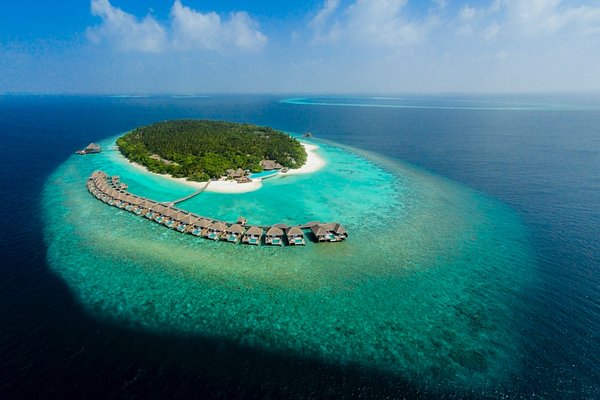
The Baa Atoll Maldives also has a unique feature since it was proclaimed as the first UNESCO Biosphere Reserve in the Maldives in 2011. The atoll covers a total of 139, 000 hectares and is globally known to have outstanding marine biodiversity and a harmonious balance between preservation and human usage.
The marine life especially the manta rays, the whale sharks, the sea turtles and a spectacular array of reef fish are also famous in the atoll. Baa Atoll is also considered to be an ecologically significant site as it is home to various other underwater wonders such as mangrove forests, ring shaped faru reefs, and seabird nesting grounds not to mention the fact that it is ecologically important both above and below the surface.
Baa Atoll UNESCO Biosphere Reserve
Baa Atoll Maldives, being a UNESCO Biosphere Reserve, adheres to a well-developed conservation model that is aimed at preserving the vulnerable ecosystems but still enables tourism which is managed responsibly. All the atoll tourism activities are controlled to bring about minimal negative effects to the environment.
Hanifaru bay is the most famous location in this reserve which is commonly referred to as the jewel in the crown of Baa atoll. The bay is highly regulated, with certain rules and restrictions on the number of people who can view the location aimed at saving its unusual marine habitat.
Hanifaru Bay Manta Ray and Whale Shark Experience
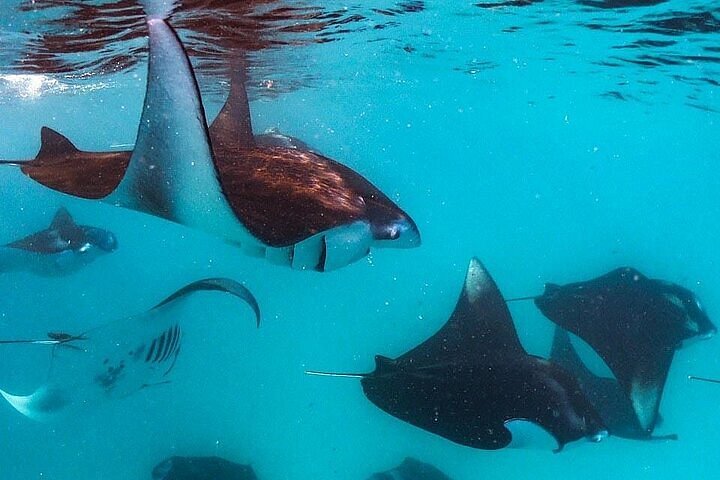
Hanifaru bay is among the most popular manta ray feeding areas in the globe. May-November: Hundreds of manta rays and whale sharks come to plankton rich waters between May and November. It is also in this season that snorkelers get to view the rare occurrence of cyclone feeding wherein large groups of manta rays move in circular movements in a highly synchronized manner within a few inches of the surface.
Hanifaru bay does not allow scuba diving. Guided snorkeling is the sole option and there are time restrictions regarding a particular session. These laws are established so as to safeguard the seafamily and sustainability. Entry fee would be necessary and this directly contributes to conservation work in the biosphere reserve.
Snorkeling and Diving in Baa Atoll Maldives
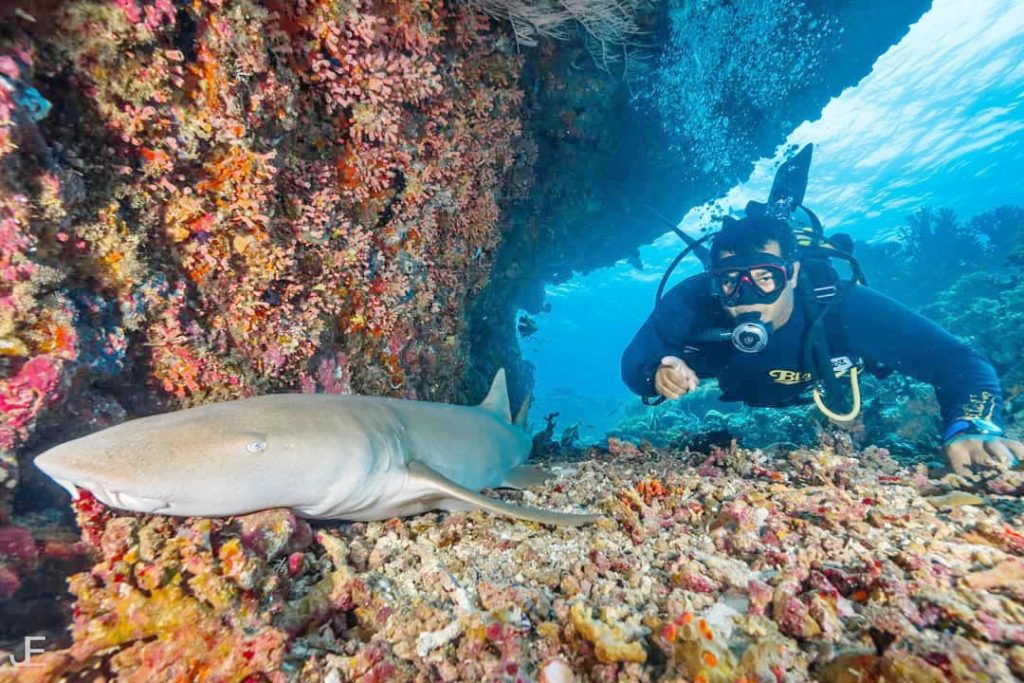
Baa Atoll Maldives has many more snorkeling and diving locations beyond Hanifaru Bay that boasts of healthy coral reefs and abundant marine life. The Dharavandhoo Corner, Nelivaru Haa, Dhigali Haa and Dhonfanu Thila have seen the manta ray cleaning stations, reef sharks, sea turtles, and huge schools of fish, which are considered the very popular
ie.
The Baa Atoll coral reefs are very well maintained with a population exceeding 250 coral species as well as over 1200 fish species. Diving and snorkeling in this area are not only a recreational activity, but they are an interactive experience that helps the visitor get in touch with the marine environment.
Marine Biodiversity of Baa Atoll
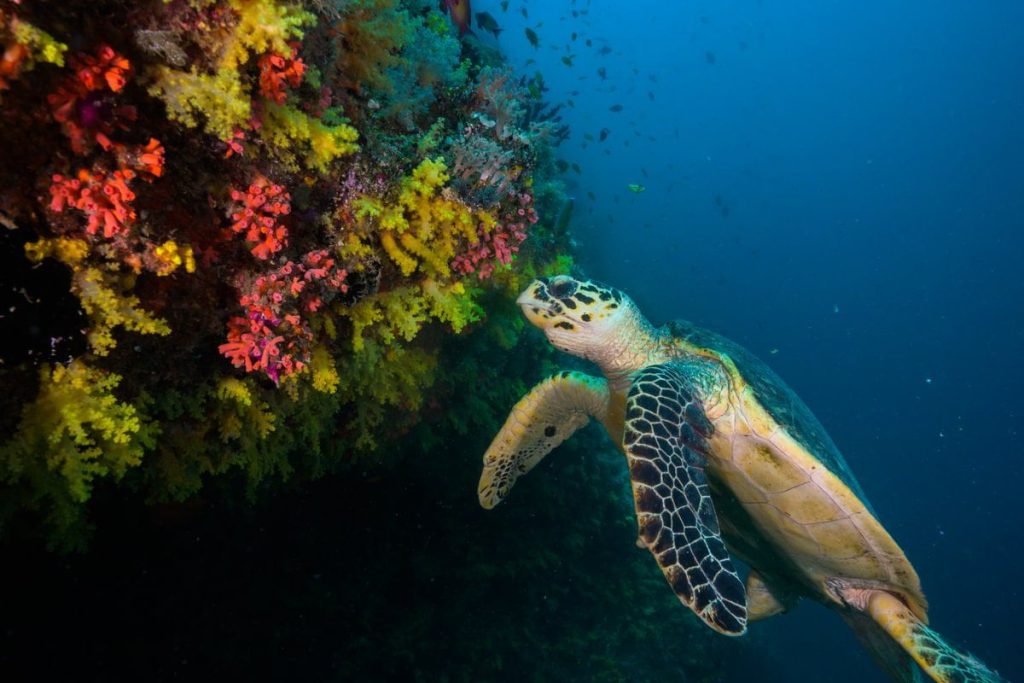
Baa Atoll Maldives has a world acclaimed reputation in terms of excellent marine biodiversity. The atoll is a habitat to some of the endangered species including the hawksbill turtle and the green turtle. Other animals that are commonly found in its reef systems include Napoleon wrasse, nurse sharks, and eagle rays.
Mangrove ecosystems/faru reefs are critical towards maintaining the ecological balance and offer valuable nesting grounds to the birds, such as great frigatebird. The diversity is what allows Baa Atoll to be among the most important in terms of biology in the Indian Ocean.
Cultural and Local Island Life in Baa Atoll
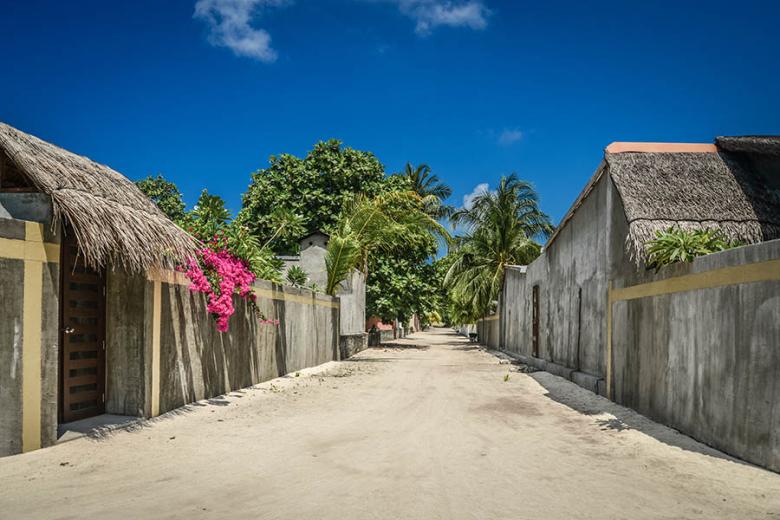
Baa Atoll is not a resort and marine life only. It also has the cultural experiences that are very rich due to its local islands. Fulhadhoo, Fehendhoo, Kamadhoo and Dharavandhoo are some of the islands that enable the visitor to experience the authentic Maldivian lifestyle, cuisine and traditions.
Thulhaadhoo Island is particularly distinguished by the fact that it holds the traditional Maldivian lacquerware craftsmanship. Dharavandhoo, however, has been known to be a hub of conventional dhoni boat construction and home storytelling and poetry.
Dolphin Watching and Sunset Cruises
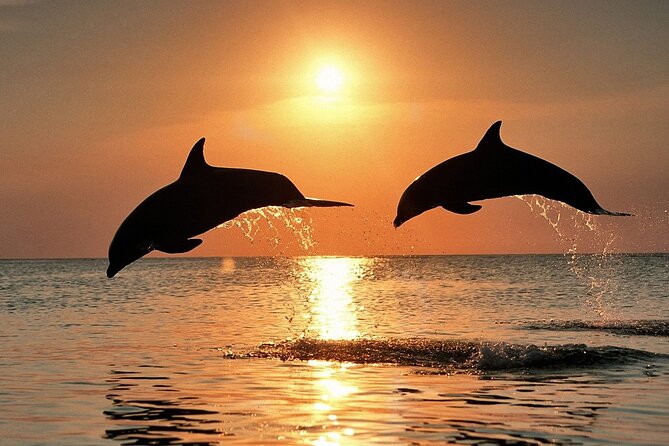
Activities that are popular in the Baa atoll Maldives are the sunset cruises and dolphin watching. Bottlenose dolphins and the spinner dolphins can be found on a regular basis in late afternoons and early afternoons. These tours are usually in the old Maldivian dhoni vessels and the tours are a very calming activity of observing the nature of the atoll.
Luxury Resorts in Baa Atoll Maldives
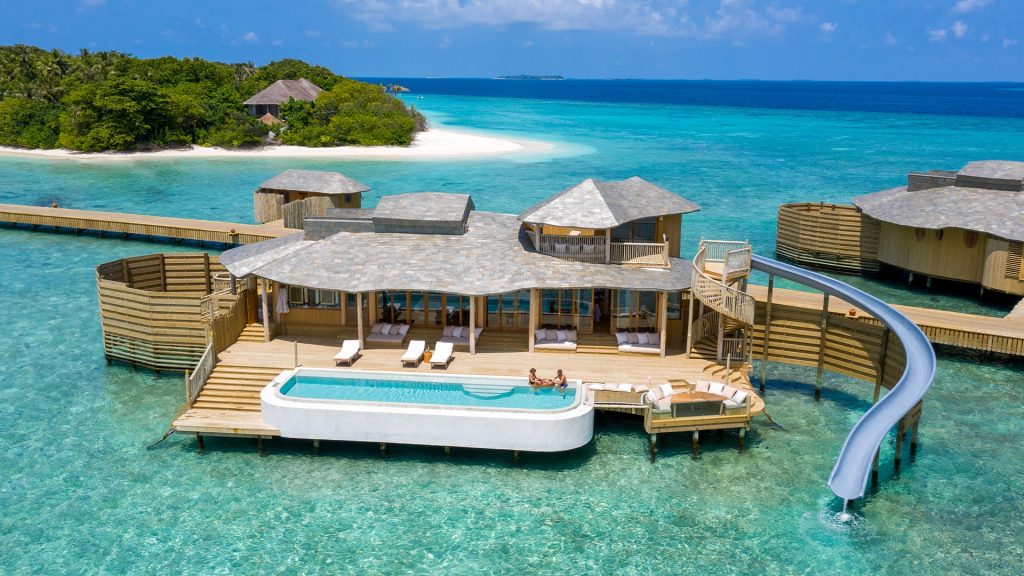
Baa Atoll Maldives boasts of some of the most environmentally friendly luxury resorts across the globe. The famous resorts, including Soneva Fushi, Milaidhoo Maldives, Four Seasons Landaa Giraavaru, Amilla Maldives, and Vakkaru Maldives, are based on the combination of barefoot luxury and sustainability.
These resorts have resorted to over water villas, individual swimming pools, marine discovery center, and eco oriented programs. Most resorts also offer their visitors the opportunity to take part in projects of coral restoration and manta ray research.
Budget Guesthouses and Local Stays
Savers and those who are culturally curious will find low-end guesthouses within the islands of Baa Atoll, such as Kamadhoo, Dharavandhoo and Maalhos. Living on local islands offers more exposure to the locals and convenient access to snorkeling, isle hopping and the cultures.
Island Hopping in Baa Atoll
Baa Atoll Maldives can be best visited by island hopping. The journey between islands shows various beaches, coral reefs, as well as, unique lifestyles of communities.
Hanifaru bay has Dharavandhoo as its prime entry point. Kamadhoo is reputed to have a tranquil environment as well as a colorful house reef whereas Fulhadhoo has Thundi Beach that is ranked among the most beautiful beaches in the world.
How to Reach Baa Atoll Maldives
There are several modes of transportation to Baa Atoll that is accessible by Velana International Airport in Malé. The easiest and least time consuming one is a local flight to Dharavandhoo Airport or Madivaru Airport and then a speedy boat ride.
Numerous luxury resorts provide seaplanes transfers, which also give spectacular views of the atoll by air. Budget travelers have access to the services of public ferries, which are slower and have very few schedules.
Best Time to Visit Baa Atoll Maldives
Important to visit Baa Atoll Maldives is the best time according to the travel needs. Between December and April, there is the dry season where the seas are calm, clear and visibility is good underwater.
Manta ray and whale shark encounters best occur during the wet season between May and November when there is an increased level of plankton. The manta activity is usually at its peak during July to October and so this is the most special time of the year to marine life so that the enthusiasts of marine life can be drawn.
Sustainable Tourism in Baa Atoll Maldives
Baa Atoll Maldives is one of the best models of sustainable tourism. Reduction of single use plastics, encouraging reef safe sunscreen use, and visitor management are some of the measures used to conserve the marine environment.
The Hanifaru Bay has very strict guidelines that are implemented in the marine areas which are under protection. Such actions should make sure that tourism enhances conservation instead of endangering it as it conserves the atoll to the generations ahead.
FAQ About Baa Atoll Maldives
Baa atoll Maldives is known as one of the greatest marine biodiversity and a first UNESCO bio sphere reserve in the Maldives. Hanifaru Bay is particularly famous on the atoll where manta rays and whale sharks can be found in large numbers during a specific season as they feed.
Baa Atoll was classified as a UNESCO Biosphere Reserve due to its international marine ecosystem, high density of coral reefs, mangrove ecosystem, and threatened marine organisms. The reserve is based on a conservation paradigm that focuses on ensuring environmental protection and sustainable tourism.
The most appropriate time to visit varies according to the objectives of the travels. The months between December and April are also calm and the sun is shining and the months between May and November are perfect when one can view manta rays and whale sharks, mostly between July and October.
Hanifaru bay does permit snorkeling, but only on a guided tour. To conserve the marine environment scuba diving is not allowed. The snorkeling programs are time controlled and restricted.
Final Thoughts on Baa Atoll Maldives
Baa Atoll Maldives is much more than a tourist destination. It is a rare combination of nature, great culture, and sustainable tourism. Baa Atoll provides a memorable experience through snorkeling with manta rays and jumping into colorful coral reefs as well as being exposed to the local island life and the eco conscious luxury.
Baa Atoll Maldives represents one of the best destinations in the world of tourists who want to enjoy the combination of natural beauty, marine biodiversity, and sustainable practices.
See More
- Vaavu Atoll Maldives: A Complete Guide to Best Things to Do, Experiences, and Natural Wonders
- Best Honeymoon Resorts in Maldives 2026: Top 10 Romantic Escapes for Couples
- 10 Most Instagrammable Honeymoon Spots in the Maldives for 2026
- Best Adventure Activities in Maldives: Surfing, Diving, Parasailing and More
- 10 Maldives Travel Mistakes to Avoid Before Planning Your Dream Trip