The Maldives can be seen as the ideal dream destination clear lagoons of turquoise and overwater houses, perfect beaches, and unparalleled seclusion. Behind those idyllic scenes, however, there is one destination that must be planned. The Maldives unlike other common beach destinations have a sole resort, one island concept, strict local policies and specialized transport systems which can easily reduce a dream holiday to an expensive nightmare in case travelers are not ready.
Novice visitors unwillingly commit vital errors that influence their budget, experience, and general satisfaction. This guide dissects the top 10 travel errors that most people commit when planning their trip to the Maldives and gives you precise information on how to avoid them based on proven knowledge available on actual travel experience and destination facts.
The first-time tourist visiting the Maldives or even someone who has been there before and now plans a return trip will find this article more useful in planning better, spending better, and experiencing the islands the way they should be experienced.
Top 10 Maldives Travel Mistakes
The Maldives does not appear to be hard work, having a picture of a free paradise, but the islands and resorts have to consider serious planning. The Maldives functions under a different cultural system, exclusive transport systems and a one-island-one-resort programme unlike the normal beach holidays. Even minor errors can cost someone something unforeseen, experience, or unwarranted stress unless the right preparation is made.
This manual gathers the most frequent traveling errors, and assists you in escaping them, thereby making your journey effortless, pleasurable, and actually a worthwhile investment.
Selecting a wrong island is one of the greatest errors that travelers commit. The experience is not the same in all the islands. There are those that are romance and privacy oriented and those that are family or adventure oriented. As you usually spend your trip on one island, one wrong decision could have an impact on all activities and general mood. Before booking, it is important to understand what kind of traveler you are.
The other similar problem is a lack of attention to transfer costs. It will take a speedboat, seaplanes or domestic aircraft to get to your resort, and they are not optional. Most of the travelers are surprised to realize that transfers can increase the overall price by a great margin. This can be planned and budgeted in advance to prevent unpleasant surprises.
Timing is equally important. The Maldives is a destination all year round, but the experiences vary according to the season. The dry season has smooth seas and clear weather whereas wet season is associated with rain, stronger winds and rare disruptions. Making wrong choices regarding the time of your travel intentions may affect such activities as snorkeling, diving, and excursions.
What all-inclusive is is also a misconception on the part of many travelers. It is different in resorts and usually does not have it all. Additional services such as upgrading beverages, tours, spa, and even transportation can be additional expenses. You will end up with a bigger final bill had you read the small details prior to booking.
Another area that errors occur is in cultural awareness. Even though resorts are international, Maldives is a conservative Muslim nation. Some alcohol and dress code and public behavior rules are particularly enforced on local islands. Avoiding such practices will make the journey easy and respectable.
Wrong packing may also be a cause of unwarranted trouble. Overpacking causes issues of tight seaplane baggage restrictions, whereas under packing may cause inconvenience of lacking important things in uninhabited islands where products are costly or scarce. The balanced packing strategy is important.
The risk of not taking travel insurance is a thing not to be underestimated by many. Since the Maldives has a remote geography, medical emergency or evacuation can be very costly. The insurance is a valuable coverage against any occurrence of unforeseen events such as health complications, weather delays, or cancellations.
Failure to plan the activities is another mistake. The availability of such popular experiences as diving trips, snorkeling trips, and special dinners is often limited. By making a reservation early on, you can save on pricing and you will not be left behind.
It is also important in environmental responsibility. The Maldives is a fragile ecological area and such simple activities as stepping on the coral or applying the harmful sunscreen can result in the destruction. Being considerate would enable the islands to continue to be beautiful to other travelers.
Lastly, cash use or card use can be inconveniencing. There are those which accept cards and those which might need cash particularly at the local islands. A combination of the two will see you through in making smooth transactions during your trip.
Ultimately, the Maldives pays off to the well-planning tourists. The kind of decisions you make (where you go, logistics, cultural insight, etc.) will influence your experience in its entirety. With proper planning, it will not be a mere vacation with your trip, but it will be a smooth journey with memorable moments in one of the most beautiful places in the world.
1. Choosing the Wrong Island
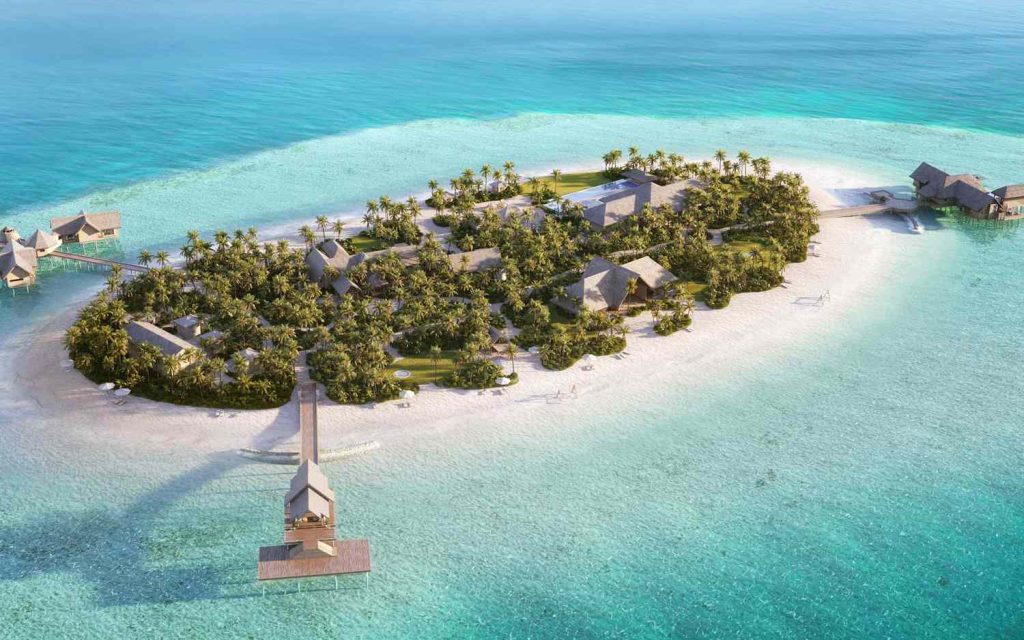
Among the largest travel errors made by tourists to the Maldives is the belief that all the islands are similar. As a fact, every island is closed on its own, with its flavor, facilities, and restrictions. As soon as you get there, you are much in that way enclosed by that island so long as you stay there.
Why This Is a Costly Mistake
Most tourists select an island guided by captivating photographs and fail to think of whether the island would suit their style of travel. The honeymoon couple can find themselves at a family oriented island full of children whilst adventure oriented travelers may go to an island with little snorkeling or water sports.
What to Consider Before Choosing an Island
- Romantic tourists usually would like to visit smaller, low-key islands and have privacy-driven villas. Families require child friendly amenities, shallow lagoons and spacious rooms. An activity lover ought to focus on islands that have good reefs of houses, water sports centers as well as diving centers.
- Island acreage and Geographical Formations: Not every island has extensive sandy beaches or reefs of houses available. Others may have erosion problems, seawalls or coarse sand combined with coral.
- Artificial vs Natural Islands: Artificial islands do not have developed vegetation and natural Island flavor that may influence the experience.
The keys to the successful Maldives vacation are in selecting the right island.
2. Ignoring Transfer Costs
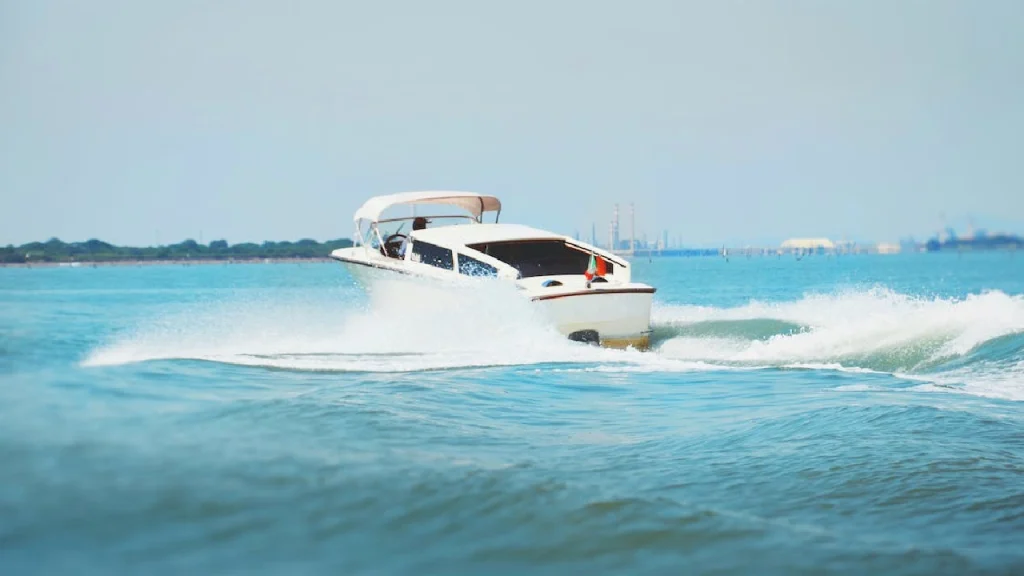
The other significant Maldives travel mistake is the failure to budget the transfer costs to the islands. It is not just a taxi ride to your resort, as is the case on most destinations. Transfers are very compulsory and should be booked by your resort.
Types of Transfers and Why They Matter
- Speedboat Transfers: More suited to neighboring islands, fast and less costly.
- Seaplane Transfers: Picturesque, however, very expensive and only available in the daytime. Late international travelers can be obliged to have an unplanned overnight stay around the airport.
- Domestic Flights + Boat: Applied in case of distant atolls, which provide a higher degree of privacy, but additional transit time.
Hidden Challenges
- Initial booking prices do not always include transfer fees.
- The seaplanes have a limited amount of luggage weight, and hence they charge excess baggage.
- Resort hopping involves the need to pay a number of transfers, which is very expensive.
Not budgeting the transfers may incur you hundreds or even thousands of money in terms of travelling costs.
3. Visiting During the Wrong Season
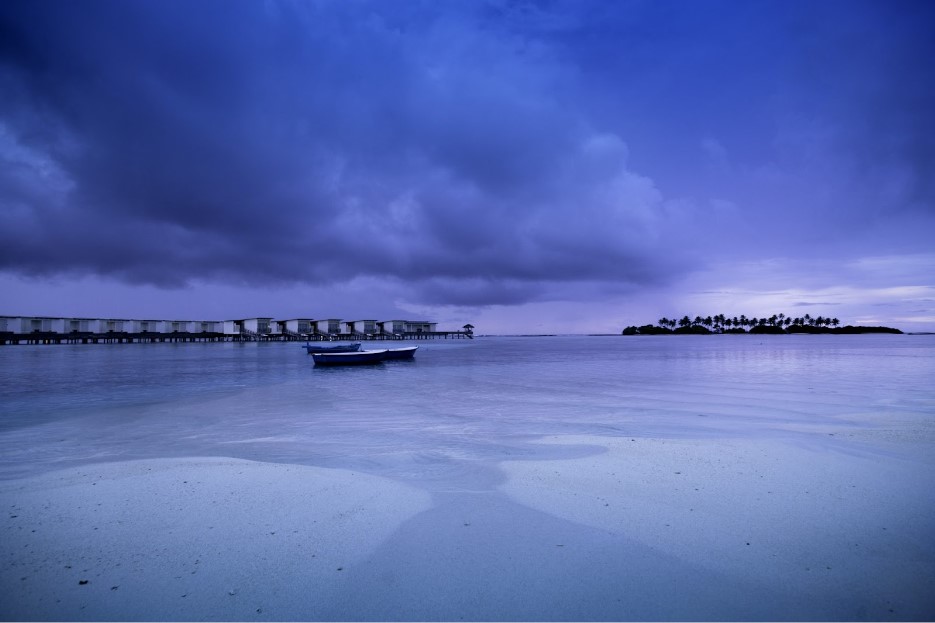
Most tourists expect Maldives to have a year-round perfect weather. Although the destination is tropical, seasons significantly contribute towards your experience.
Understanding Maldives Seasons
- Dry Season (November to April): Sunny days, cool oceans, and perfect sunbeaches.
- Wet Season (May to October): Greenish rain, stronger winds, more rough seas and higher humidity.
Why Timing Matters
In the wet season, weather conditions interfere with activities like snorkeling, diving and seaplane transfers. Plankton can make visibility in the ocean less visible and the ocean can delay or cancel flights.
Nevertheless, there are benefits associated with the wet season as well, such as reduced prices, reduced number of people, and exclusive marine life experiences.
The error is not deciding on the season that would agree with your expectations.
4. Assuming “All-Inclusive” Means Everything
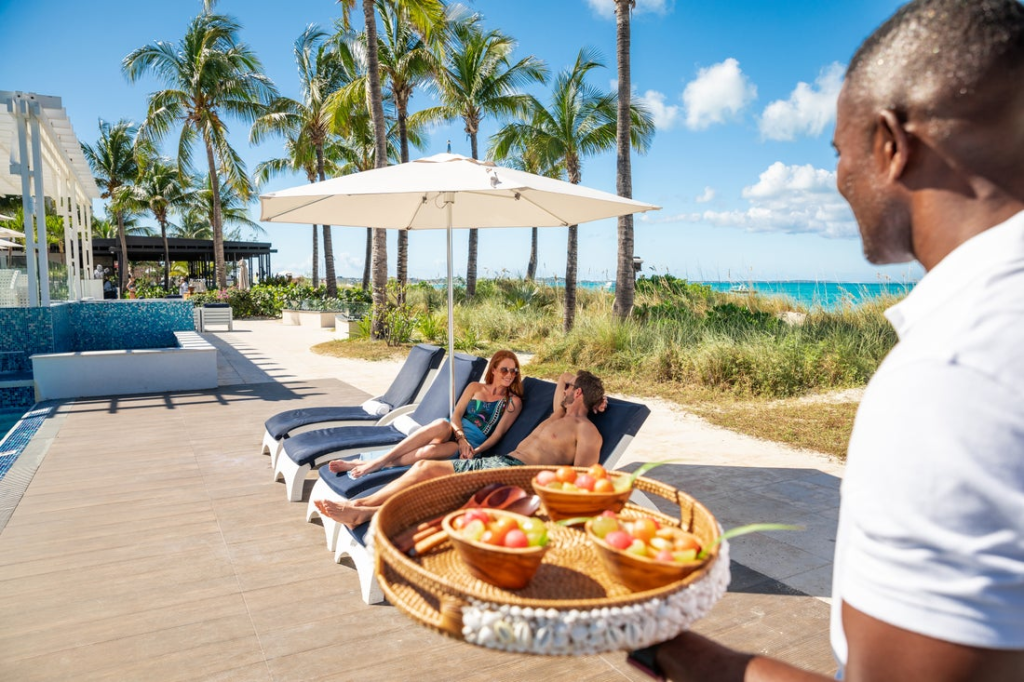
In the Maldives, “all-inclusive does not have a universal definition. One of the most costly mistakes that travelers commit is to assume that it is everything.
Common Exclusions in All-Inclusive Packages
- Deluxe drinks and fancy drinks.
- Island transfers
- Specialty restaurants and signature restaurants.
- Tours, scuba diving and motorized water sports.
- Spa services and wellness.
- Restocking of mini-bars and in-villa meals.
- Compulsory holiday gala dinners.
Why This Leads to Budget Shock
There are other service fees and taxes that add a lot to the final bills. Non-drinking travelers can also pay more than they should have paid on plans not corresponding to their drinking.
Whatever your comprehensive plan consists of, you always have to see what is covered.
5. Not Respecting Local Customs
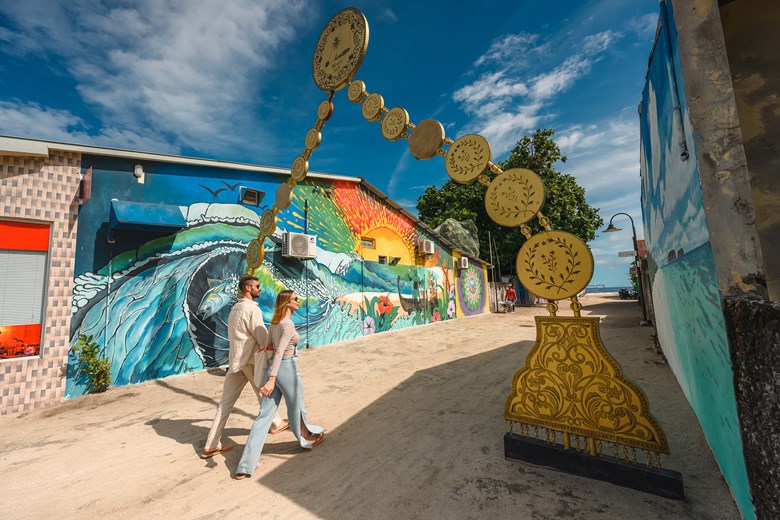
The Maldives is a conservative Islamic country even though it has luxury resorts. Disrespect to the local practices may have dire effects.
Key Rules Travelers Must Follow
- Alcohol can only be served in private resort islands and licensed liveaboards.
- It is forbidden to import alcohol, pork products or prohibited goods.
- On native inhabited islands, modest dress is obligatory.
- Putting their feelings on public view is against the norm beyond resorts.
- During the Ramadan period, it is not allowed to eat or have drinks in the open during the day on the local islands.
To have a trouble-free visit, it is important to respect the local customs.
6. Overpacking or Underpacking

The errors in packing may cause the unnecessary stress, particularly because of the limitations in transfering the luggage.
Why Overpacking Is a Problem
- Seaplane baggage is stringent.
- Overweight baggage charges are high.
- The Maldives is a very informal place in terms of dress code.
- Due to high humidity, it is impossible to use heavy clothes.
Why Underpacking Is Also Risky
- The necessities may be costly or inaccessible on remote islands.
- Loss of drugs or reef-safe sunscreen may become problematic.
- During visits to the local islands, the modest clothing is needed.
It is packing smart not packing more.
7. Skipping Travel Insurance
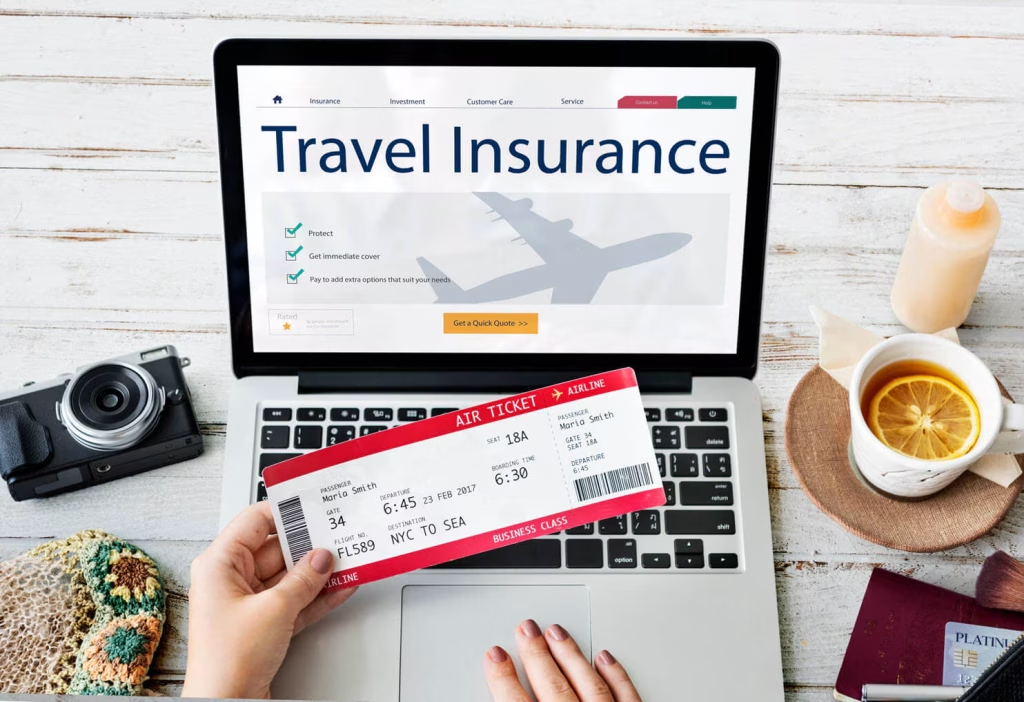
One of the maldives travel errors that should be avoided is skipping on travel insurance because of the geographical makeup and inadequate medical facilities of the country.
Why Insurance Is Essential
- Emergency medical matters necessitate evacuation to other nations.
- Weather inconveniences may slow down transfers and flights.
- The capability of resort clinics is restricted.
- Tens of thousands can be spent on medical evacuations.
Travel insurance is financial and logistical insurance.
8. Not Planning Activities Ahead
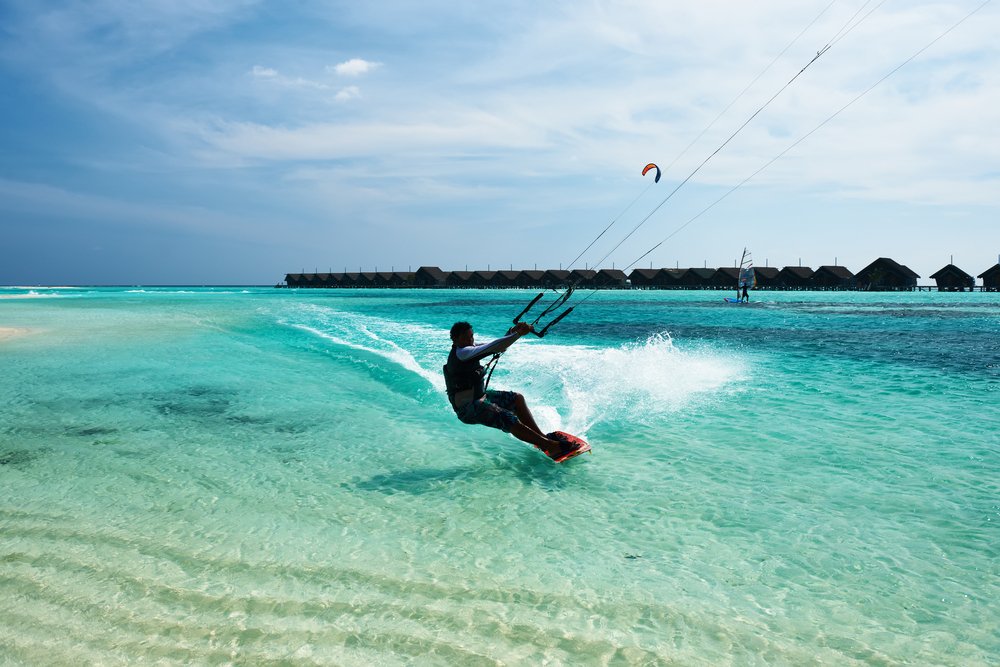
Maldives is not a place where one can make up his mind about what to do on arrival.
Why Advance Planning Matters
- There is a lack of popular excursions.
- Specific months are required depending on the seasons.
- Bookings made on-site are much more costly.
- Unpredictable weather needs a flexible time schedule.
- There are age/medical conditions on some of the activities.
Pre-booking guarantees a better price and availability as well as a hassle free experience.
9. Ignoring Environmental Responsibility
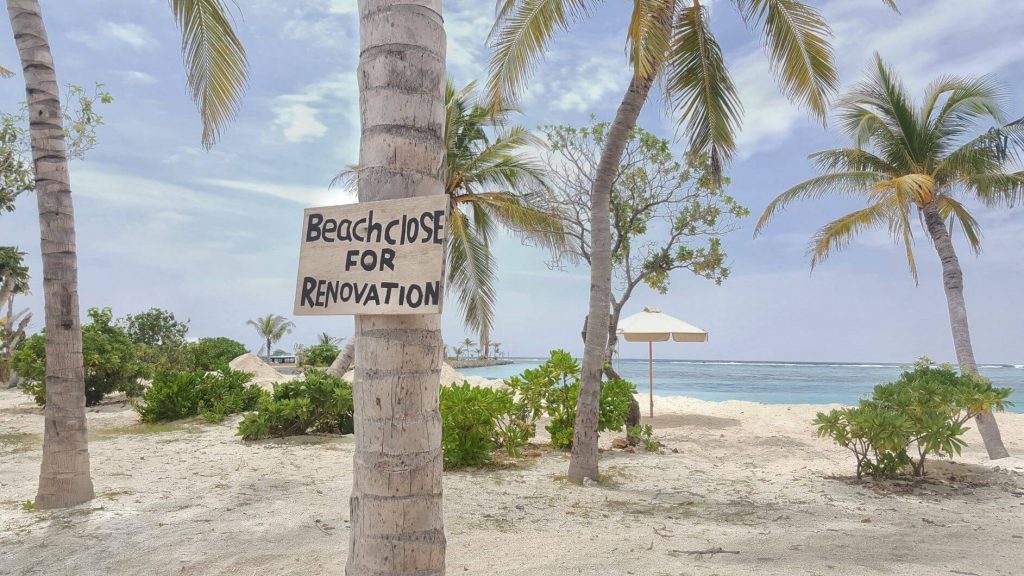
Maldives is among the most sensitive destinations in the planet. Disregard of sustainability is detrimental to the environment and tourism in the future.
Common Environmental Mistakes
- Handling or walking over coral reefs.
- Applying non-reef-safe sunscreen.
- Improper waste disposal
- Feeding marine life
- Stealing natural or shell and sand based souvenirs.
Responsible travel is what helps to maintain the very beauty that the visitors go to visit.
10. Relying Only on Cash or Only on Cards
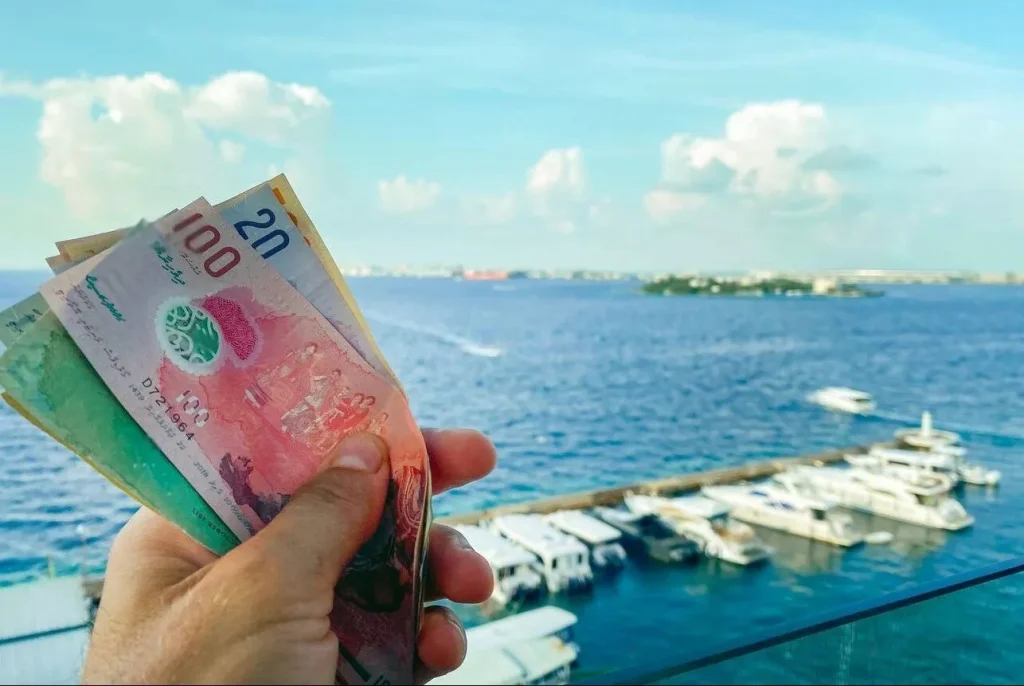
The Maldives uses dual system of payment and it is not risky to use one of the systems.
Why Cards Alone Are Not Enough
- Poor acceptability in local islands.
- Problem with Internet connectivity.
- Transaction surcharges
Why Cash Alone Is Also Risky
- Security concerns
- Limitations on the exchange of currencies.
- Hotels need pre-authorization of cards.
A combination of cards and cash is a good balance that will guarantee smoother transactions.
FAQ
The most common are choosing the wrong island, overlooking the cost of transfer, visiting at the wrong time of the year, and not getting to understand all-inclusive packages.
The different islands have different experiences and tourists tend to spend the rest of their time on just one island and as such, making the wrong choice of the island would influence the rest of the trip.
Yes, many resorts require seaplane and speedboat transfers which can considerably add to the overall travel expenses.
May to October is the wet season which may be accompanied by heavy rainfall, rough seas and disruption of activities.
No, most of the all inclusive plans do not cover transfers, alcoholic drinks, trips, and specials meals.
Alcohol is not permitted on local islands but only on all-inclusive resort islands and licensed liveaboards.
Well, without insurance, medical evacuation and delays caused by weather conditions can cost a lot.
Final Thoughts: Plan Smart, Travel Better
The Maldives is not one of the places that one can fix his or her errors once he or she has reached there. All the decisions made during the island selection and transfer planning all the way through to the meal plans and activity schedules all contribute significantly to the experience being shaped.
These are some of the most frequent Maldives vacations errors, so knowing them and how to prevent them will help you have a stress-free and properly planned vacation that will give you all the things you expect of this world-known paradise.
It does not take much research to transform your Maldives vacation into a risky splurge to a flawlessly implemented dream getaway.
See More
- Best Instagram Spots in the Maldives: A Complete Guide to the Most Instagrammable Spots
- Ultra Luxury Honeymoon Resorts in the Maldives: Where Privacy, Romance, and Absolute Luxury Meet
- Affordable Honeymoon Resorts in Maldives for Couples Seeking Romance, Privacy and Value
- Best Adults Only Honeymoon Resorts in Maldives: Luxury, Privacy and Pure Romance
- Unforgettable Things to Do in the Maldives: Experiences That Define a Dream Escape