
Most folks think of glassy bungalows bobbing above turquoise water when the Maldives comes up. Yet beneath that glossy cover lives a different rhythm. Away from staged perfection, small islands breathe at their own pace. Curiosity leads to fishing boats mending nets under noon sun. Coral gardens thrive without crowds pressing close. Salt air sticks here longer. Moments stretch slower. Divers sometimes find themselves eye-to-eye with shy reef sharks near hidden drop-offs. Life moves closer to the bone.
Away from crowded resorts, hidden corners of the Maldives reveal quiet beauty. Each place listed offers something distinct – rooted in tradition, shaped by nature. Life moves differently there, unhurried, close to the rhythm of tides. You’ll find spots untouched by big tour groups, where daily life stays true to island roots. These locations show a version of the archipelago few see. Culture shapes much of what you encounter – the way people build, speak, fish. Nature plays its part too, from coral atolls to forested islets. Travel slows down when you step beyond the usual routes. What stands out isn’t luxury but authenticity, found in small moments. Fewer visitors mean deeper connections with surroundings.
Maldives Off the Beaten Path
Picture the Maldives. Most visitors see sparkling resorts, bungalows on stilts, carefully arranged moments meant to feel indulgent and private. That image holds truth – it’s stunning, yes – but also incomplete. Step past the shine, another side emerges: slower, grounded, breathing in step with daily island ways.
This isn’t the polished postcard version. Here, quiet rhythms take over – life unfolds without scripts or schedules. Swap manicured resorts for villages breathing with tradition. Footprints mark sand that nobody swept clean. Nature stays wild because it never learned to perform. Moments stretch longer when they aren’t timed for guests. Generations lived here before cameras arrived.
Down here in this part of the Maldives, days unfold slower. Life shows itself not through luxury but rhythm – nets dragged ashore at dawn, children laughing near coral walls, meals shared under tin roofs. Instead of poolside lounging, mornings begin with smoke rising from open kitchens. Conversations happen without translators, built on gestures and grins. These moments stick because they feel real, unposed, unplanned. Evenings end quiet, filled with stories told under dim lights, far from tourist maps.
Out here, nature has its own rhythm. Empty beaches stretch on without a trace of big resorts nearby. Lush green forests crowd the edges where land meets sea. Water stays so clear it seems unreal. Dhigurah gives space – wide sands, open horizons, chances to swim near whale sharks almost any day. Farther south, Fuvahmulah rises wilder – deep waves crash against sharp coasts, drawing divers eager for glimpses of rare sharks beneath the surface.
Open skies stretch far across these places, offering room to move without limits. Not boxed in like tourist resorts, plenty of nearby islands spread out wide, inviting slow journeys on foot or by bike. Hidden spots wait around bends, where one landscape shifts into another under quiet trees. Roads link zones such as Hithadhoo, building an air of adventure almost unseen elsewhere in the archipelago. Farms grow thick with life on Thoddoo, catching travelers off guard with color and scent.
Out by the water, living things move in ways that seem untouched. Here, moments with sea creatures come without schedules, unfolding as they will. Picture manta rays gliding past at dawn, or turtles surfacing just beyond the reef – no script, no show. Protected zones such as Hanifaru Bay offer stillness when few are around, a chance to see what hides beneath when light first breaks.
Sometimes it happens without warning. Alone on a tiny stretch of sand, water stretching in every direction, shifting through tones you cannot name. Night falls, the edge of the island begins to shimmer, each wave brushing the shore leaves behind a flicker of living light. Above, space opens wide – stars crowd close, sound fades, only the sea breathes nearby. This is what stays with you from places far from crowds – the quiet things, sharp and real, impossible to forget.
Wandering through the Maldives on local soil shifts things quietly. Instead of big resorts, money flows to neighborhood shops, small lodgings run by families, or guides born nearby. Benefits settle where they’re needed most. Culture stays alive because people keep traditions without pressure to perform for tourists. Even nature gets a break – fewer imported materials, less strain on reefs. This kind of visit doesn’t shout. It simply fits. Balance grows when choices lean close to home.
This journey begins where most tourists never go, uncovering corners of the Maldives untouched by standard itineraries. One after another, these spots reveal life beneath waves teeming with color, traditions held close through generations, terrain shaped by quiet forces over time. Hidden reefs breathe slowly under moonlit tides. Stories linger in carved wood and spoken rhythm. Shorelines curve like unfinished thoughts.
Start somewhere beyond postcard views. Seek spots that breathe on their own rhythm instead of posing for photos. Real moments often hide where crowds don’t wander. The Maldives holds these quietly. Paths less traveled here don’t lead away from comfort – they move closer to what matters. Stay lingers not because of sand or sea but because something felt true. Begin there.
Dhigurah Island Maldives
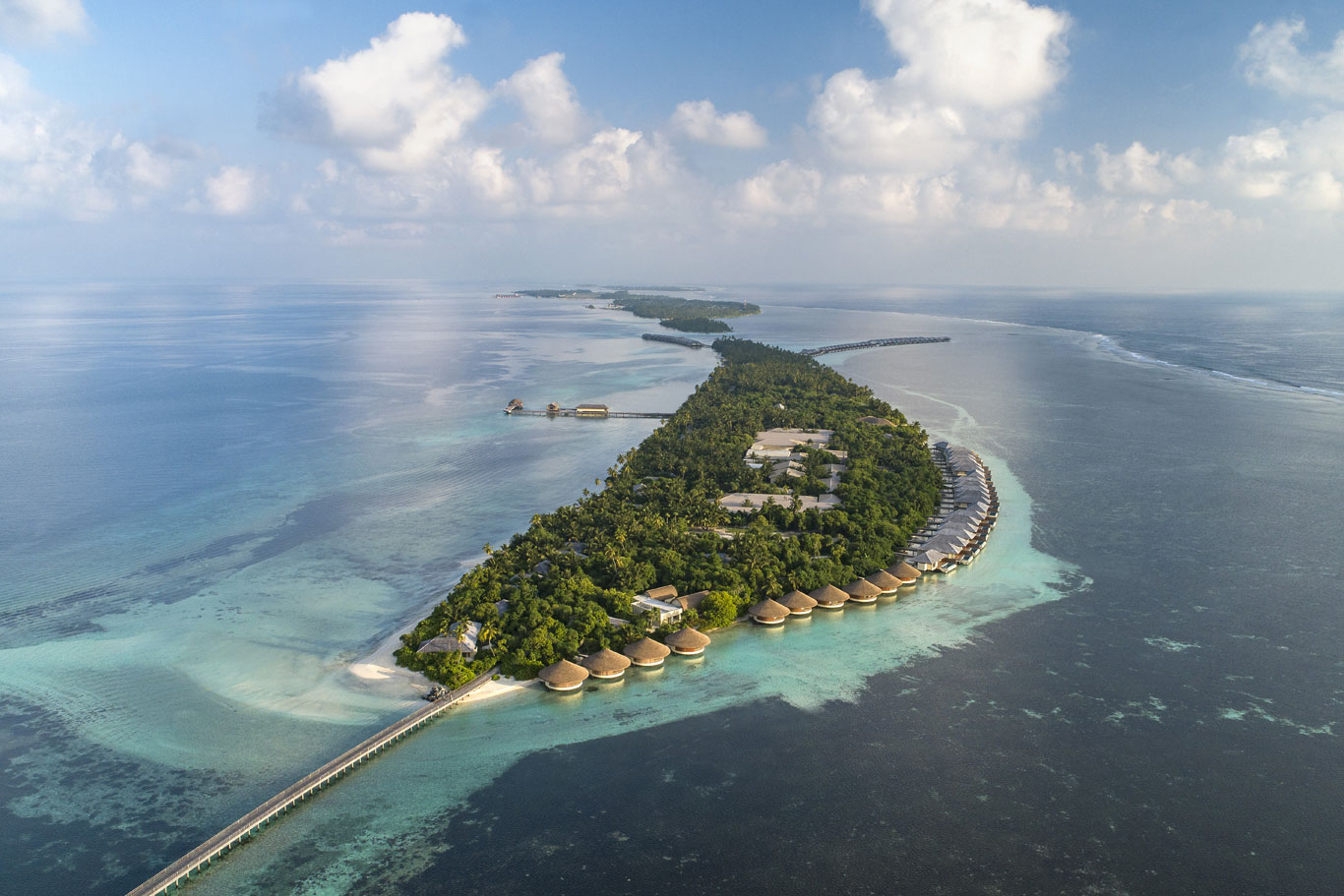
Far from the usual tourist trails, Dhigurah Island shows what the Maldives looks like when untouched by big resorts. Sitting in the South Ari Atoll, it blends everyday village rhythm with striking ocean views. While most travelers head to exclusive retreats, this place stays real – people live here, work here, move slowly through each day. Guests find themselves stepping into life as it happens, not staged for photos or show.
What stands out about Dhigurah is how big it feels. Almost four kilometers long, few islands in the Maldives match its span. Much of the land stays wild, thick with jungle that gives room to breathe. Along the shore, wide stretches of sand sit empty most days – ocean views come without clusters of sunbathers nearby.
A quiet rhythm defines life on Dhigurah. Staying here costs less than you might expect. Small guesthouses line the paths, offering simple rooms without extra charges. Local eateries serve fresh meals at low prices. Instead of luxury chains, family-run spots welcome visitors. Few roads mean walking comes naturally. There are no big tourist buildings spoiling the view. This lack of rush creates space to breathe. Even without fancy services, moments feel rich. Peace grows where crowds do not.
Out here, beauty comes easy – Dhigurah shows off with soft white shores and water so blue it feels unreal. A long stretch of sand pokes out near the south end, sitting quiet where waves meet open ocean. Because this place hides inside a guarded marine zone, whale sharks turn up any time of year like clockwork. Underwater, manta rays glide past turtles while bright fish swirl around coral corners. Divers drop in often, drawn by what swims just beyond the shor
Fuvahmulah Maldives
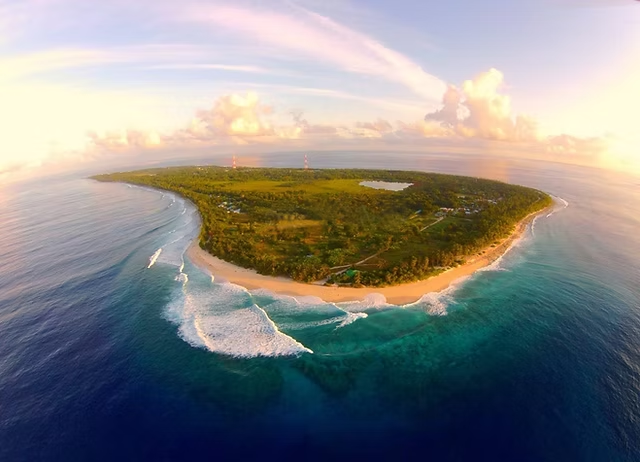
Fuvahmulah stands out as the most remote spot across all of the Maldives. Not like others, this one stretches wide where few islands reach – set close to the equator, deep in the southern zone. Just its shape on the map makes it unlike the rest, swapping calm shallow waters for something wilder. The land here looks nothing like those flat turquoise rings found farther north.
Few big tourist spots have reached the island, so crowds never took over. Small lodgings dot the shore, where travelers settle instead of flashy chains. Staying there means bumping into locals while they go about their days. A rare way of speaking called Fuvahmulaki baha lives here, passed through generations. Making sugar from coconuts still happens just like it did long ago.
Wild shores define Fuvahmulah, where smooth black stones take the place of soft white sands. Instead of calm shallows, steep drops plunge into open sea. Because of these depths, divers come from far away – not just for one kind of shark but many. Tiger sharks appear here in every season, showing up more than anywhere else. Alongside them glide thresher sharks, wide-winged mantas, hammerheads with their strange heads, and sometimes the odd sunfish too.
Far past the open water, an island hides quiet lakes where rain collects deep inside its core. Instead of saltwater pools, travelers find spots filled with fresh water surrounded by thick green trees. Not far off, Thoondu Beach glows under sunlight thanks to tiny stones that look like scattered pearls. This stretch holds special status – recognized by UNESCO for its rare beauty. Unlike most shores here, waves roll in just right for riding boards along the edge. While many beaches stay calm, this one cracks with energy when tides shift. Ruins from long ago sit near a mosque built centuries back, both whispering stories through cracked stone walls. Older than nearly every place in the nation, these structures stand without fanfare. Each path between them winds through soil so rich it feeds entire groves. What seems small on maps reveals layers once walked step by step.
Hithadhoo Addu Atoll
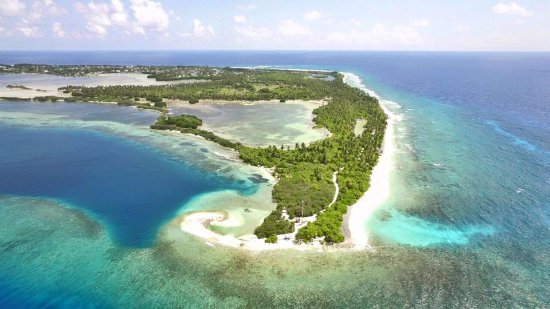
Down south in Addu Atoll sits Hithadhoo, where traditions run deep, stories linger in quiet corners, while palms bend low near tidal flats. This place pulses with real rhythms of island living – far from polished tourist zones, yet shaped by tides, talk, and time passing slow through back lanes.
What stands out about Hithadhoo is how connected it feels. Bridges stretch between islands across Addu Atoll, so walking or biking from one to another just happens. Moving around like this isn’t common in the Maldives – here, it brings a different kind of journey.
Footsteps through time mark this place just as clearly. Once, in the middle of war, planes roared above these waters when the RAF planted roots at Addu Atoll. Crumbling walls still stand where soldiers once walked. A strip of tarmac cuts across land, silent now, baked by sun after decades. Nearby lies the hull of the British Loyalty, half-swallowed by coral and tide. What remains does not shout but whispers – giving Hithadhoo a feel few islands carry.
Out here, green stretches far beyond the eye can see. Mangroves twist through wetlands while lakes hold still water like mirrors. Coral lives strong below the waves, untouched when others died off elsewhere. Manta rays glide past where turtles drift slow above reef ridges. Sharks appear now and then without hurry. Life thrives in ways few places manage anymore. A path leads into Addu Nature Park where birds call from hidden branches. Paddling gently through narrow channels brings silence most never find. Quiet steps open up what noise usually hides.
Thoddoo Island Maldives
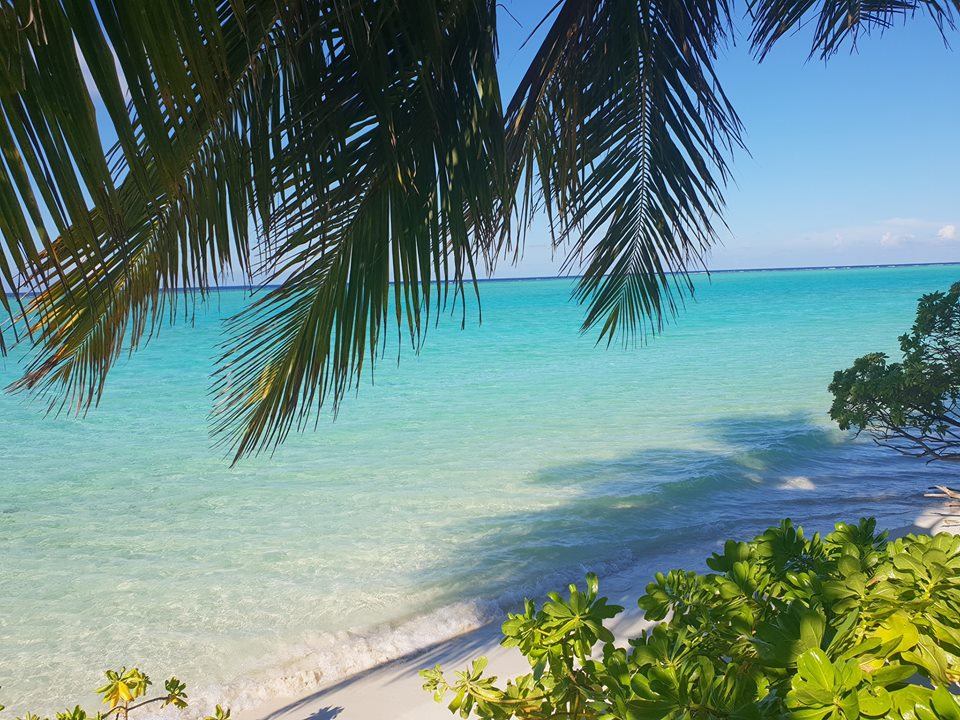
Fertile soil sets Thoddoo apart from many islands in the Maldives. Because farming thrives here, visitors find fields instead of resorts. Locals grow watermelons in abundance – so much so that some call it Watermelon Island. The land bursts with fruit trees, which led to another name: the nation’s own Fruit Basket. While tourism dominates elsewhere, this place leans into agriculture. Greenery stretches where sand might be expected. Most travelers pass by, making it quiet. Fewer footprints mean more space to wander among crops.
Thoddoo feels like real Maldives, untouched by big resorts. From sunrise, you might see farmers tending crops just as their families did long ago. Talk with people here – they often smile first, speak second. Life moves slow, shaped by tide and season, not tourist schedules. Even more travelers arrive each year, yet wide paths and open fields keep it spacious. Its scale makes crowds vanish, almost instantly.
White sands meet clear water here, matching fancy resort spots. Sunbathers find space at two special zones made for swimsuits. Life underwater pops into view just steps from land – turtles glide near bright corals while fish dart through shallow caves.
When darkness falls just right, tiny sea creatures make the waves sparkle like stars. On some nights, the sky stays so clean it pulls your eyes upward without trying. Old stone temples sit quietly, telling stories older than most maps. The air feels different here, maybe because time moves slower.
Hanifaru Bay at Dawn
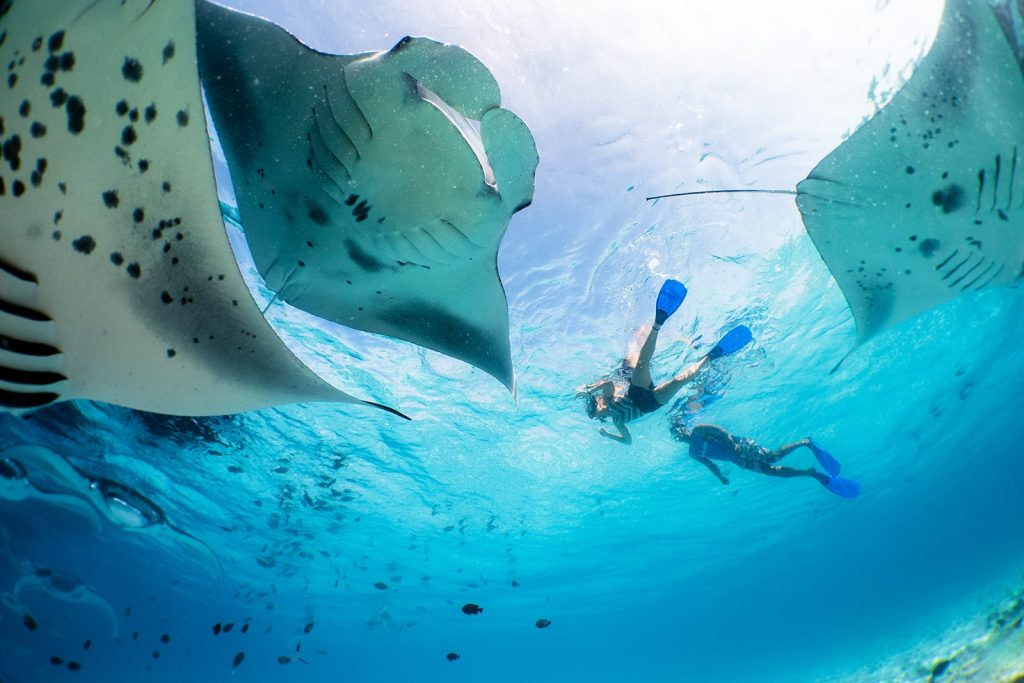
Sun rises slow over Hanifaru Bay, tucked inside Baa Atoll’s protected waters. Morning light arrives before crowds do, making space feel wider somehow. This stretch of sea holds rare gatherings beneath its surface. Fewer people walk the shore early, so sound carries clearer across sand. Daylight builds gently here, moment by moment. The water moves differently when silence stretches longer than noise. Life below waits just out of sight until movement begins above. Time spent here during quiet hours feels less like watching nature – more like stepping into it.
Few people get to enter the bay each day because rules keep numbers low. Morning arrivals often find clearer views when they come before the sun climbs high. Dawn’s gentle glow spreads across the water, calming everything it touches.
When crowds arrive, the bay turns into a hotspot where huge numbers of manta rays show up. In tight groups they swim, drawn together by food, spinning in slow circles like a living whirlpool. Sometimes whale sharks appear too, gliding near the mantas as they eat. The sight sticks with you long after you leave.
Only snorkeling happens in Hanifasu Bay, so creatures stay undisturbed. Though short, it leaves a strong mark, pulling you into nature without filters.
Uninhabited Sandbanks Maldives
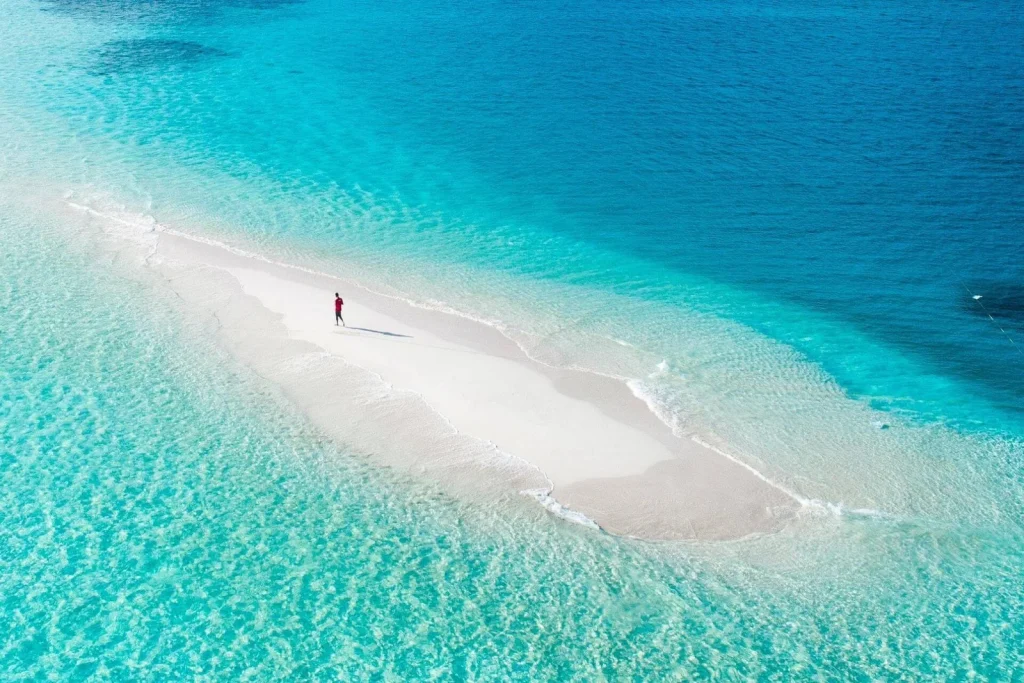
Out here, patches of bare sand emerge now and then where tides pile up bits of broken coral. Far from any island crowd, they sit quiet, shaped only by currents and time. Water laps gently at their edges – clear, calm, so thin you see every ripple on the seafloor. Sometimes a place feels like it was never stepped on before. The sea builds them slowly. Then just as quietly pulls them back.
Out on open water, where nothing stays fixed, these shifting sands lie bare under wide skies. Reaching them means traveling by vessel, since no roads lead there, just waves. A person might spend part of a day resting atop one, surrounded only by light and sea. Nothing built remains – no shelters, no signs of living. Because people come briefly, the silence returns quickly after they leave. The islands feel untouched when seen from such spots, raw and calm.
Under hot sun, the pale sand stays surprisingly fresh beneath bare feet. Around it, water shifts through endless blues, shifting with light and depth. Exploring below surface shows fish and coral alive in untouched reef systems. A spot might host still lunches, quiet picture taking, or slow floating without rush. These shallow stretches capture what hidden destinations feel like – away from noise, crowds, expectations.
Bioluminescent Beaches Alternatives to Vaadhoo
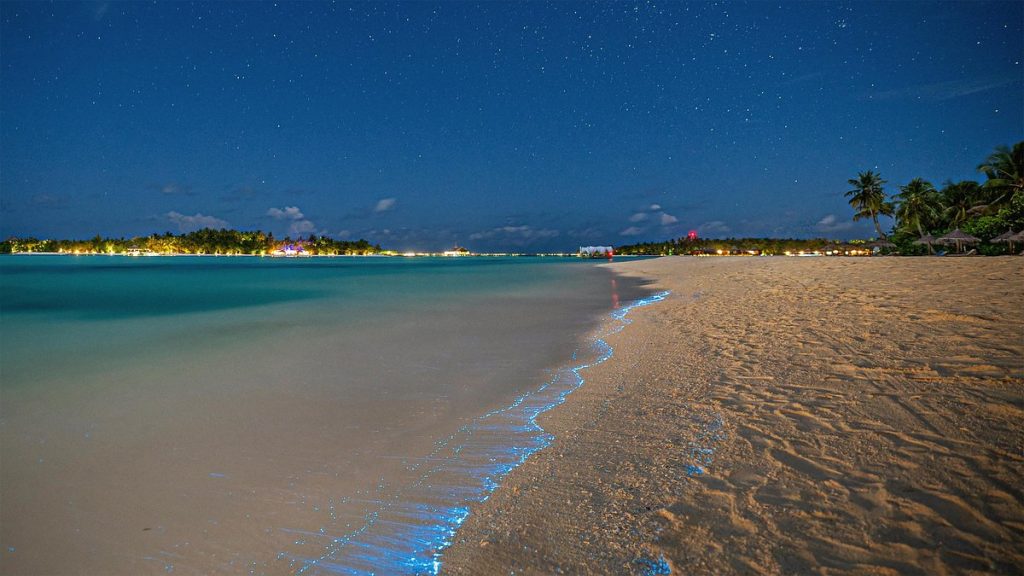
Vaadhoo Island isn’t the only spot where glowing waves show up. Across the Maldives, shorelines sometimes light up – especially when there’s no moon and the water stays calm. Nighttime darkness helps make it visible.
A soft shimmer dances across the water, born from tiny sea life known as dinoflagellates. Movement wakes them, suddenly sparking brilliant blue flashes along the edge of the shore. Sea meets sky in a haze so fluid it feels unreal. What you see defies ordinary night scenery.
Most visits occur when temperatures rise, though glowing waters appear any time. Hidden islands offer front-row views minus the masses, revealing a Maldives few actually see.
FAQ: Maldives Off the Beaten Path
Dhigurah Island stands out, while Fuvahmulah follows close behind. Hithadhoo in Addu Atoll appears on the list too. Then there is Thoddoo Island – each place holds its own.
Fresh air greets you on local islands where modest guesthouses sit near tiny eateries. These spots open doors wider than high-end resorts ever could.
Whale sharks? They turn up any time of year on Dhigurah. As for Hanifaru Bay – that’s where mantas show up in big groups.
Out here, waves crash against Fuvahmulah – a lone island shaped like an atoll, rare in these parts. Beneath the surface, sharks rule the drop-offs where blue swallows hard rock. Rain collects inland, forming lakes that feel out of place under tropical sun. Hills rise sharper than most islands allow, breaking the flat horizon. Nature took its time, carving edges less polished, more alive.
Fine. Boats drop people off briefly, just long enough to see unspoiled beaches, calm tidal pools, where the underwater view thrives in clear water.
Final Thoughts on Off the Beaten Path Maldives Travel
Out past the high-end hotels, the Maldives unfolds in colors and rhythms most never see. Jungle paths wind through Dhigurah, where daily routines play out under thick green canopies. Far south, Fuvahmulah opens into open sea mysteries, pulling divers toward what lies beneath. Life here moves with tides, shaped by salt air and long-standing ways. Every corner turned brings something unscripted – quiet beaches, local markets, sudden rain showers over flat water.
Hidden trails bring life to small villages, spark greener ways to explore, while offering moments that stick close to heart. Peace hums through quiet shores where real meets wild – this quieter Maldives stays long after you leave.
See More
- Maldives Off the Beaten Path: Discover the Hidden Beauty Beyond Luxury Resorts
- Best Photography Spots in Maldives: A Complete Guide for Travelers & Photographers
- Top 10 Best Honeymoon Destinations in Maldives for a Truly Romantic Escape
- Top Water Games in the Maldives: The Ultimate Guide to Unforgettable Ocean Adventures
- Top Things to Do in Maldives for First-Time Visitors: A Complete Travel Guide


Thanks
Thank You so much